RV Camping in Forests: Nature Immersion
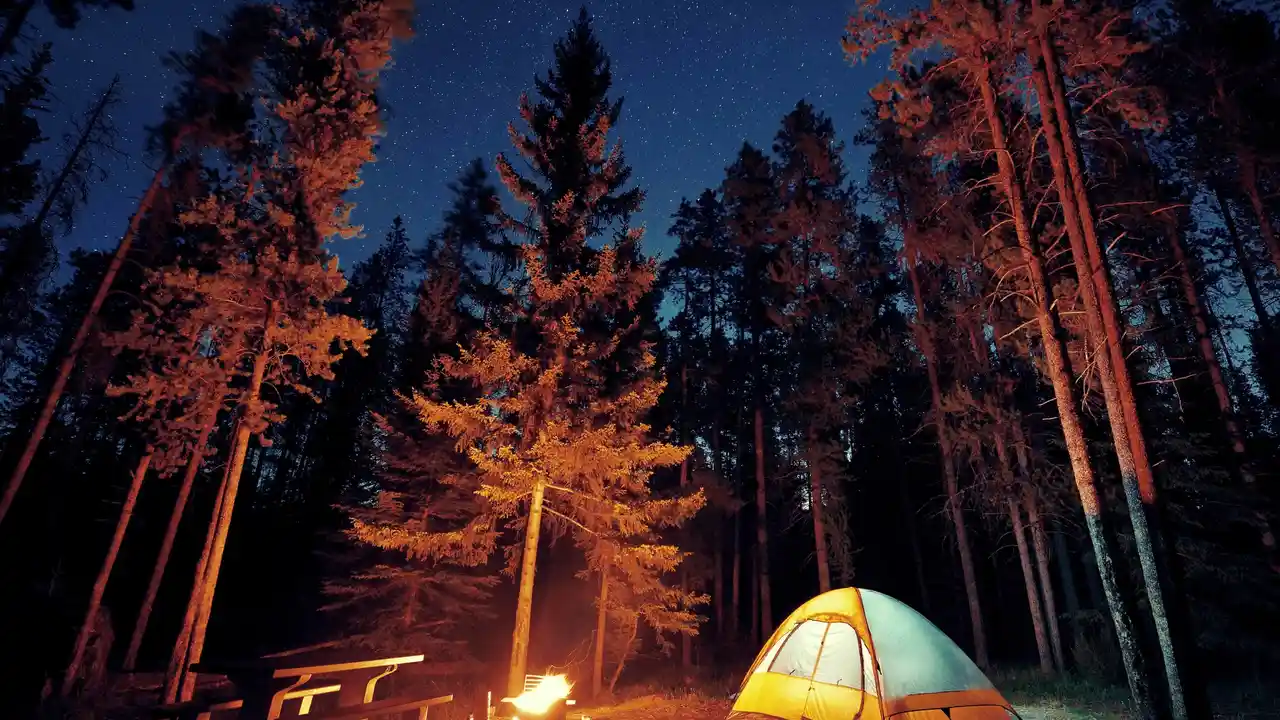
Discovering the Allure of Forest RV Camping
Have you ever felt the urge to escape the hustle and bustle of city life and immerse yourself in the tranquility of nature? RV camping in forests offers just that – a chance to reconnect with the natural world, breathe in the fresh air, and experience the serenity that only a forest can provide. But where do you begin? What makes forest camping so special? Let's delve into the captivating world of RVing amidst towering trees and whispering leaves.
The Undeniable Benefits of RV Camping in the Woods
Why choose a forest over a crowded campground or a highway-side RV park? The benefits are numerous and compelling. First and foremost, there's the peace and quiet. The dense foliage acts as a natural sound barrier, muffling the noise of civilization and allowing you to truly relax. Imagine waking up to the sounds of birdsong instead of car horns. Secondly, you're surrounded by natural beauty. Hiking trails, scenic overlooks, and opportunities for wildlife viewing abound. Forests offer a sensory feast – the scent of pine needles, the feel of soft earth under your feet, the sight of sunlight filtering through the canopy.
Beyond the aesthetic appeal, forest camping offers tangible health benefits. Studies have shown that spending time in nature can reduce stress, lower blood pressure, and boost your immune system. The fresh air is cleaner, the water is purer, and the overall environment is more conducive to well-being. Plus, you'll have ample opportunities for physical activity, whether it's hiking, biking, or simply exploring your surroundings.
Essential RV Gear for Forest Adventures
Now that you're convinced of the allure of forest RV camping, let's talk about the gear you'll need to make your trip a success. While your RV provides the foundation for comfortable living, certain items are essential for navigating the unique challenges of a forest environment.
Powering Your Forest RV Experience: Portable Generators
One of the biggest considerations is power. Many forest campsites lack electrical hookups, so a portable generator is crucial for running appliances, charging devices, and keeping your RV comfortable. We recommend the Honda EU2200i. This generator is known for its quiet operation, fuel efficiency, and reliability. It's powerful enough to run most essential RV appliances, yet compact and lightweight enough to be easily transported. A key use case is running your RV's air conditioner on a hot summer day, allowing you to escape the heat and relax in cool comfort. Another use case is powering your electronic devices, ensuring you can stay connected (if you choose to) and keep your batteries charged. The Honda EU2200i retails for around $1,100. An alternative, for those needing more power, is the Yamaha EF2400iSHC. This model offers slightly more wattage and is also incredibly quiet. It typically costs around $1,200. While the Yamaha offers more power, the Honda is generally considered more fuel-efficient and easier to maintain. Consider the Champion 3400-Watt Dual Fuel RV Ready Portable Inverter Generator as a budget-friendly option. It can run on either gasoline or propane and costs around $800.
Maintaining a Clean Water Supply: RV Water Filters
Access to clean water is another vital consideration. While some forest campsites may have water spigots, the water quality can vary. Investing in a good RV water filter is essential for ensuring you have safe and potable water for drinking, cooking, and showering. We recommend the Clear2O DirtGuard RV Inline Water Filter. This filter removes sediment, chlorine, and other contaminants from your water supply, improving its taste and odor. It's also easy to install and replace. A common use case is connecting the filter to your RV's water inlet before filling your fresh water tank, ensuring that all the water you use is clean and filtered. Another use case is using the filter in conjunction with a portable water container, allowing you to fill up at a water source and then filter the water as you pour it into your RV's tank. The Clear2O DirtGuard RV Inline Water Filter typically sells for around $25. A more advanced option is the Watts RV PRO-200. This system features a two-stage filtration process, providing even greater protection against contaminants. It costs around $75. While the Watts RV PRO-200 offers superior filtration, the Clear2O DirtGuard is a more affordable and compact option. For a high-capacity option, consider the Camco 40043 TastePure RV/Marine Water Filter, priced around $30. It's designed to last an entire camping season.
Navigating Forest Trails: Reliable GPS Devices
Getting lost in the woods is no fun, so a reliable GPS device is essential for navigating forest trails and finding your way back to your campsite. We recommend the Garmin eTrex 22x. This handheld GPS device is rugged, waterproof, and features a long battery life. It also comes preloaded with topographic maps, making it easy to navigate even in remote areas. A key use case is using the GPS device to mark your campsite location before setting out on a hike, ensuring you can easily find your way back. Another use case is using the GPS device to track your route as you hike, allowing you to retrace your steps if you get lost. The Garmin eTrex 22x typically retails for around $200. A more advanced option is the Garmin GPSMAP 64sx. This model features a larger screen, more memory, and support for advanced mapping features. It costs around $300. While the Garmin GPSMAP 64sx offers more features, the Garmin eTrex 22x is a more affordable and user-friendly option. Consider the Magellan eXplorist TRX7 for off-road navigation, priced around $500. It's designed specifically for ATV and off-road vehicle use.
Staying Connected (If You Want To): Mobile Hotspots for RVers
While disconnecting from technology is a major draw for many forest campers, sometimes staying connected is necessary for work, family, or safety reasons. A mobile hotspot can provide you with a reliable internet connection, even in remote areas. We recommend the Netgear Nighthawk M1. This mobile hotspot supports fast 4G LTE speeds and can connect up to 20 devices simultaneously. It also features a long battery life and a built-in Ethernet port. A key use case is using the mobile hotspot to stream movies or TV shows on your laptop or tablet, providing entertainment during downtime. Another use case is using the mobile hotspot to stay in touch with family and friends via email or video calls. The Netgear Nighthawk M1 typically retails for around $250 (plus a monthly data plan). A more affordable option is the Verizon Jetpack MiFi 8800L. This model also supports fast 4G LTE speeds and features a long battery life. It costs around $200 (plus a monthly data plan). While the Verizon Jetpack MiFi 8800L is more affordable, the Netgear Nighthawk M1 offers slightly faster speeds and more features. Consider the TP-Link AC750 Wireless Portable Nano Travel Router as a budget-friendly option for creating a Wi-Fi hotspot, priced around $30, but remember you'll still need an internet source.
Choosing the Right Forest Campsite: Factors to Consider
Not all forest campsites are created equal. Some are more secluded, some offer better amenities, and some are better suited for certain types of RVs. Before you book a campsite, consider the following factors:
RV Size and Access: Ensuring a Smooth Arrival
The size of your RV is a crucial consideration. Many forest campsites have limited space, and some may not be accessible to larger RVs. Check the campsite specifications carefully to ensure that your RV will fit comfortably. Also, consider the road conditions leading to the campsite. Some forest roads can be narrow, winding, and unpaved. If you have a large RV, you may want to choose a campsite that is easily accessible from a paved road.
Amenities and Hookups: Balancing Comfort and Wilderness
Think about the amenities you need and want. Do you need electrical hookups, water hookups, or a sewer connection? Some forest campsites offer these amenities, while others are completely primitive. If you're comfortable boondocking, you can choose a primitive campsite and enjoy the solitude and quiet. However, if you prefer the convenience of hookups, you'll need to choose a campsite that offers them.
Privacy and Seclusion: Finding Your Own Quiet Corner
Consider the level of privacy and seclusion you desire. Some forest campsites are close together, while others are more spread out. If you're looking for a quiet and secluded experience, choose a campsite that is located away from other campers. Look for campsites that are surrounded by trees and vegetation, which will provide a natural barrier between you and your neighbors.
Nearby Activities and Attractions: Exploring the Forest
Think about the activities and attractions you want to enjoy during your camping trip. Do you want to hike, bike, fish, or kayak? Choose a campsite that is located near the activities you enjoy. Also, consider the proximity to other attractions, such as scenic overlooks, waterfalls, and historical sites.
Forest Camping Etiquette: Respecting Nature and Fellow Campers
Forest camping is a privilege, and it's important to respect the environment and your fellow campers. Here are a few tips for practicing good forest camping etiquette:
Leave No Trace: Minimizing Your Impact on the Environment
The "Leave No Trace" principle is paramount. Pack out everything you pack in, including trash, food scraps, and recyclables. Stay on designated trails to avoid damaging vegetation. Avoid disturbing wildlife or their habitats. Leave the campsite cleaner than you found it.
Respect Wildlife: Observing from a Distance
Observe wildlife from a distance and never feed them. Feeding wildlife can disrupt their natural behavior and make them dependent on humans. Store food properly to avoid attracting animals to your campsite. Be aware of your surroundings and take precautions to avoid encounters with dangerous animals, such as bears or mountain lions.
Control Your Noise: Maintaining a Peaceful Atmosphere
Keep noise levels to a minimum, especially during quiet hours. Avoid playing loud music or engaging in noisy activities. Be considerate of your neighbors and respect their right to enjoy the peace and quiet of the forest.
Fire Safety: Preventing Wildfires
Practice fire safety at all times. Only build fires in designated fire rings or fire pits. Clear away any flammable vegetation from around the fire. Never leave a fire unattended. Make sure the fire is completely extinguished before leaving your campsite. Be aware of fire restrictions and bans, especially during dry seasons.
Preparing for Unexpected Challenges: Forest Camping Safety Tips
Forest camping can be an unpredictable experience. Be prepared for unexpected challenges, such as weather changes, equipment malfunctions, and wildlife encounters. Here are a few safety tips to keep in mind:
Weather Preparedness: Staying Safe in Changing Conditions
Check the weather forecast before you go and be prepared for changing conditions. Pack appropriate clothing for all types of weather, including rain gear, warm layers, and sun protection. Be aware of the signs of severe weather, such as thunderstorms and flash floods. Have a plan for seeking shelter in case of an emergency.
First Aid and Emergency Supplies: Being Ready for Anything
Carry a well-stocked first aid kit and know how to use it. Include essential medications, bandages, antiseptic wipes, pain relievers, and insect repellent. Pack extra food and water in case of delays. Carry a map and compass and know how to use them. Let someone know your itinerary and expected return date.
Wildlife Awareness: Avoiding Encounters and Staying Safe
Be aware of the wildlife in the area and take precautions to avoid encounters. Store food properly to avoid attracting animals to your campsite. Make noise while hiking to alert animals to your presence. Carry bear spray if you're camping in bear country and know how to use it. If you encounter a wild animal, remain calm and avoid making sudden movements. Slowly back away and give the animal plenty of space.
Specific Forest RV Destination Recommendations
Now that we've covered the essentials, let's explore some specific forest RV destinations that are sure to provide an unforgettable experience.
Olympic National Forest Washington State: A Pacific Northwest Gem
The Olympic National Forest in Washington State offers a stunning array of landscapes, from towering mountains to lush rainforests. RV camping opportunities abound, with numerous campgrounds scattered throughout the forest. Popular activities include hiking, fishing, and wildlife viewing. Be sure to visit the Hoh Rainforest, one of the largest temperate rainforests in the United States.
White Mountain National Forest New Hampshire: East Coast Adventure
The White Mountain National Forest in New Hampshire is a popular destination for RV campers seeking East Coast adventure. The forest features scenic drives, challenging hiking trails, and breathtaking views. Popular campgrounds include Dolly Copp Campground and Lafayette Campground. Be sure to visit Mount Washington, the highest peak in the northeastern United States.
Grand Mesa National Forest Colorado: High-Altitude Camping
The Grand Mesa National Forest in Colorado boasts the world's largest flat-top mountain, offering stunning views and endless opportunities for outdoor recreation. RV camping is popular in the summer months, with numerous campgrounds located along the mesa's rim. Popular activities include hiking, fishing, and mountain biking.
Sequoia National Forest California: Giant Trees and Majestic Views
Sequoia National Forest in California is home to the world's largest trees, the giant sequoias. RV camping is a popular way to experience the forest, with numerous campgrounds located among the towering trees. Popular activities include hiking, sightseeing, and stargazing. Be sure to visit the General Sherman Tree, the largest tree by volume in the world.
Embracing the Forest RV Camping Lifestyle
RV camping in forests is more than just a vacation; it's a lifestyle. It's about reconnecting with nature, simplifying your life, and experiencing the freedom of the open road. It's about creating memories that will last a lifetime. So, pack your bags, hitch up your RV, and head for the woods. Adventure awaits!
:max_bytes(150000):strip_icc()/277019-baked-pork-chops-with-cream-of-mushroom-soup-DDMFS-beauty-4x3-BG-7505-5762b731cf30447d9cbbbbbf387beafa.jpg)