RV Camping Near Hot Springs: Relaxation and Wellness
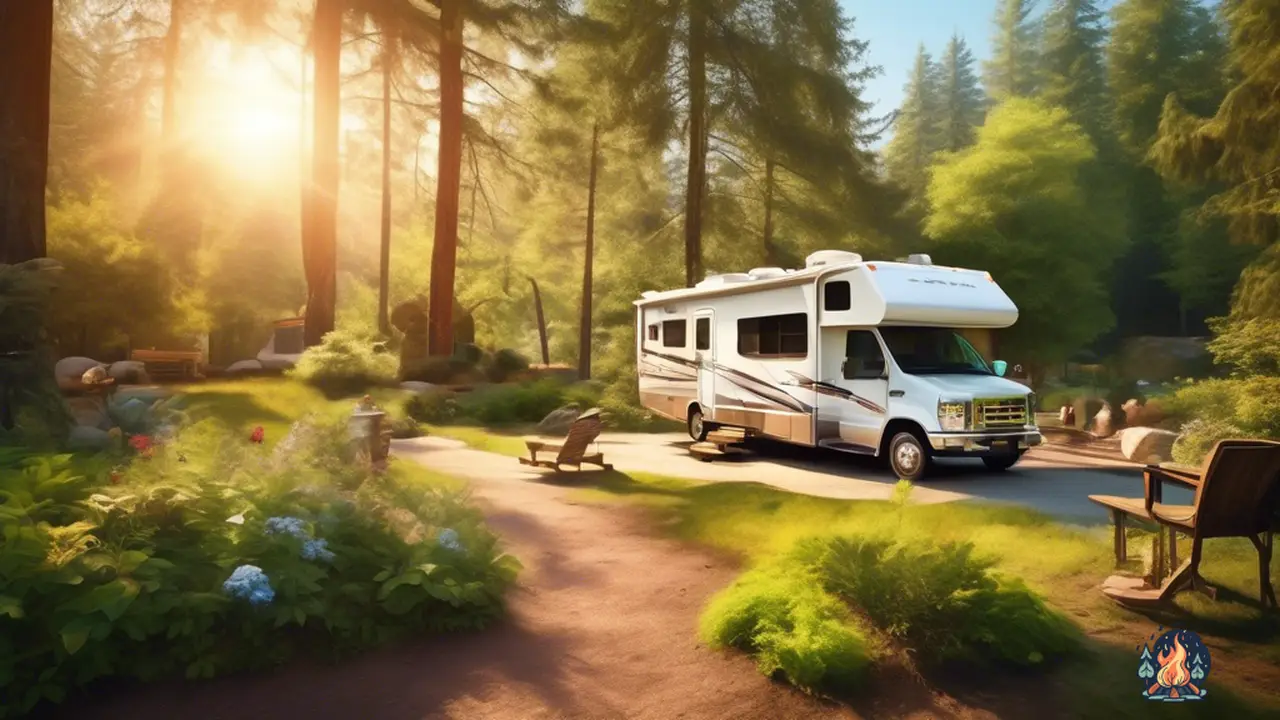
Introduction to RV Travel and Hot Springs Relaxation
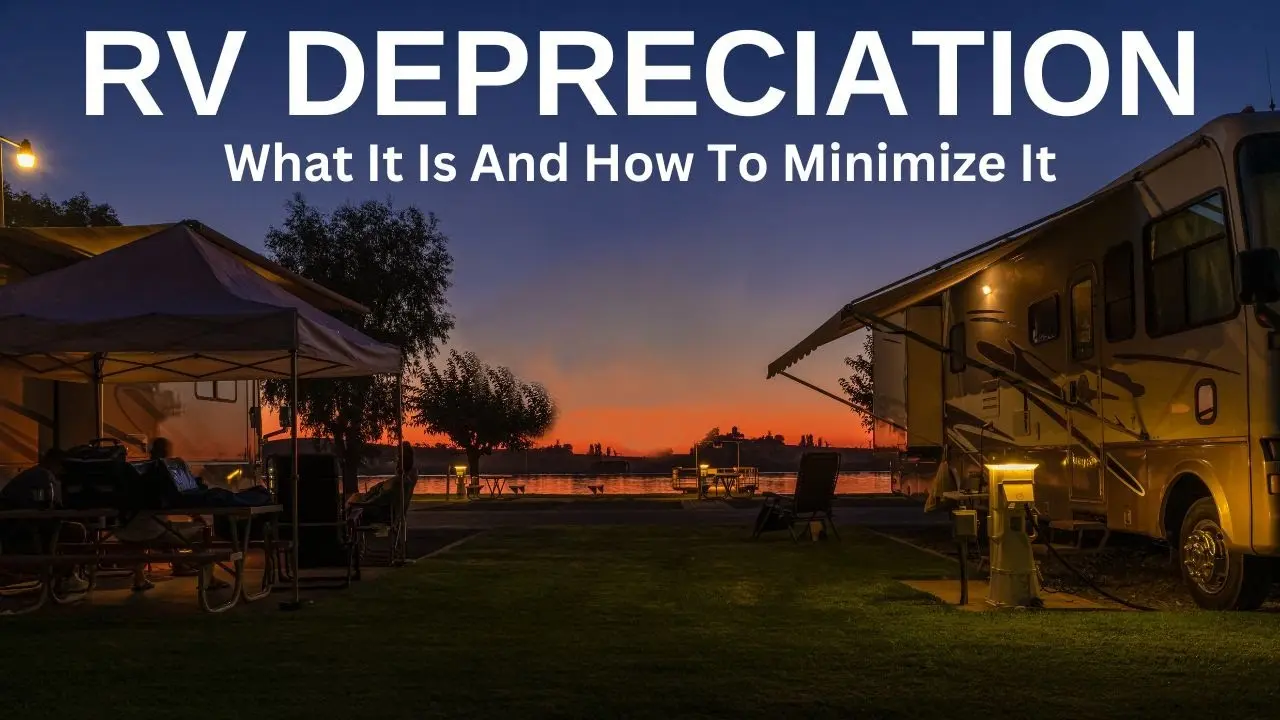
RV travel offers unparalleled freedom and flexibility, allowing you to explore the world at your own pace. Combine that with the therapeutic benefits of natural hot springs, and you have a recipe for the ultimate relaxation and wellness getaway. Imagine waking up to breathtaking scenery, spending the day hiking or biking, and then soaking your cares away in naturally heated mineral waters. This article delves into the world of RV camping near hot springs, providing you with everything you need to plan your own rejuvenating adventure.
Why choose RV camping near hot springs over a traditional hotel stay? The answer lies in the immersive experience. You're not just visiting a destination; you're living in it. You're connecting with nature, enjoying unparalleled privacy, and having the freedom to move on to the next exciting location whenever you please. Plus, with the increasing sophistication of RVs, you can enjoy all the comforts of home while being surrounded by the beauty of the great outdoors.
Benefits of RV Camping Near Hot Springs for Wellness
The combination of RV travel and hot springs offers a unique blend of benefits for your physical and mental well-being. Let's explore some of the key advantages:
- Stress Reduction: The tranquility of nature, combined with the soothing effects of hot springs, can significantly reduce stress levels. The warmth of the water helps relax muscles, while the natural minerals can have a calming effect on the nervous system.
- Pain Relief: Hot springs have been used for centuries to treat various ailments, including arthritis, muscle pain, and joint stiffness. The heat helps increase blood flow, reduce inflammation, and ease discomfort.
- Improved Sleep: Soaking in a hot spring before bed can promote relaxation and improve sleep quality. The warmth helps lower your body temperature, signaling to your brain that it's time to rest.
- Detoxification: Sweating in a hot spring helps your body eliminate toxins through the skin. The minerals in the water can also be absorbed, providing additional health benefits.
- Mental Clarity: Disconnecting from the digital world and immersing yourself in nature can clear your mind and improve mental clarity. The peaceful surroundings and the absence of distractions allow you to focus on the present moment and reconnect with yourself.
Top RV Travel Destinations with Hot Springs
Now that you're convinced of the benefits, let's explore some of the best RV travel destinations with hot springs across the United States:
- Hot Springs National Park, Arkansas: This historic park features numerous hot springs that have been enjoyed for centuries. You can soak in the thermal waters at Bathhouse Row, explore hiking trails, and learn about the park's rich history. RV camping is available nearby.
- Ouray Hot Springs, Colorado: Known as the "Switzerland of America," Ouray offers stunning mountain scenery and naturally heated hot springs. The Ouray Hot Springs Pool and Fitness Center features multiple pools with varying temperatures, as well as a fitness center and climbing wall. Several RV parks are located in and around Ouray.
- Steamboat Springs, Colorado: Another Colorado gem, Steamboat Springs boasts world-class skiing in the winter and beautiful hiking trails in the summer. Strawberry Park Hot Springs offers a unique and rustic hot springs experience, with natural rock formations surrounding the pools. RV camping is available at nearby campgrounds.
- Truth or Consequences, New Mexico: This quirky town is known for its numerous hot springs resorts and spas. You can soak in the mineral-rich waters, enjoy spa treatments, and explore the town's art galleries and shops. Several RV parks are located in Truth or Consequences.
- Calistoga, California: Located in the heart of Napa Valley, Calistoga offers a luxurious hot springs experience. You can enjoy mud baths, mineral pools, and spa treatments, as well as explore the region's world-renowned wineries. Several RV resorts are located in Calistoga.
- Desert Hot Springs, California: As the name suggests, Desert Hot Springs is a desert oasis known for its abundant natural hot springs. Many resorts and spas offer soaking pools and spa treatments. RV camping is widely available in the area.
- Kirkham Hot Springs, Idaho: Located along the Payette River in Idaho, Kirkham Hot Springs offers a more natural and rustic experience. The hot springs cascade down a rocky hillside into the river, creating a series of pools. Camping is available nearby.
Essential RV Gear for Hot Springs Camping Adventures
To make the most of your RV camping trip near hot springs, it's essential to have the right gear. Here are some must-have items:
- RV Leveling Blocks: Ensuring your RV is level is crucial for comfort and functionality. Leveling blocks help you achieve this on uneven terrain.
- Water Filter: A good water filter is essential for ensuring you have clean and safe drinking water. Look for a filter that removes sediment, chlorine, and other contaminants.
- Sewer Hose: A reliable sewer hose is a must for emptying your RV's holding tanks. Choose a hose that is durable and easy to connect.
- Portable Generator: If you're camping off-grid, a portable generator will provide you with electricity for appliances, lighting, and other essentials.
- Outdoor Chairs and Table: Comfortable outdoor seating is essential for relaxing and enjoying the scenery. Choose chairs and a table that are lightweight and easy to transport.
- Sunscreen and Bug Spray: Protect yourself from the sun and insects with sunscreen and bug spray.
- Swimsuit and Towel: Of course, you'll need a swimsuit and towel for soaking in the hot springs.
- Water Shoes: Water shoes will protect your feet from rocks and rough surfaces in the hot springs.
- First-Aid Kit: A well-stocked first-aid kit is essential for dealing with minor injuries and illnesses.
RV Hot Water Heaters: A Comparison for Comfortable Hot Springs Soaks
Having a reliable hot water heater in your RV is crucial for enjoying hot showers and washing dishes, especially after a relaxing soak in the hot springs. Let's compare some of the popular RV hot water heater options:
- Tankless Water Heaters: Tankless water heaters provide on-demand hot water, eliminating the need for a storage tank. They are more energy-efficient than traditional tank heaters and take up less space. However, they can be more expensive to purchase and may require more power to operate.
- Girard 2GWH Tankless Water Heater:
- Use Case: Ideal for RVers who want continuous hot water without the limitations of a tank. Great for longer showers and washing dishes without running out of hot water.
- Product Details: This tankless heater provides on-demand hot water, adjusting the burner to match the water flow. It features freeze protection and a compact design.
- Pricing: Generally ranges from $400 to $600.
- Suburban Nautilus On-Demand Water Heater:
- Use Case: A popular choice for RVers looking for a reliable and efficient tankless water heater. Suitable for various RV sizes and camping styles.
- Product Details: Offers on-demand hot water with a digital control panel for temperature settings. It's designed for easy installation and maintenance.
- Pricing: Typically priced between $500 and $700.
- Traditional Tank Water Heaters: Traditional tank water heaters store hot water in a tank, providing a readily available supply. They are typically less expensive than tankless heaters and require less power to operate. However, they take up more space and can run out of hot water if you use it too quickly.
- Suburban 6-Gallon Water Heater:
- Use Case: A standard choice for many RVs, providing a decent amount of hot water for showers and washing. Suitable for shorter trips and smaller families.
- Product Details: Features a porcelain-lined steel tank for durability and a thermostat for temperature control. Can be powered by propane or electricity.
- Pricing: Usually costs between $200 and $300.
- Atwood 6-Gallon Water Heater:
- Use Case: Another reliable option for RVs, offering a similar capacity to the Suburban model. Ideal for those who prefer a slightly different design or brand.
- Product Details: Known for its quick recovery time and efficient heating. Features a lightweight aluminum tank and a durable construction.
- Pricing: Typically priced between $250 and $350.
- Hybrid Water Heaters: Hybrid water heaters combine the features of both tankless and tank heaters. They typically have a small storage tank and a tankless heating element, providing a balance of on-demand hot water and energy efficiency.
- Truma AquaGo Hybrid Water Heater:
- Use Case: A high-end option for RVers who want the benefits of both tankless and tank water heaters. Provides continuous hot water with a small storage tank for consistent temperature.
- Product Details: Features a compact design and advanced controls for precise temperature settings. Offers freeze protection and automatic descaling.
- Pricing: Generally ranges from $1000 to $1500.
Choosing the Right RV Awning for Hot Springs Campsites
An RV awning provides shade and protection from the elements, making your campsite more comfortable and enjoyable. When choosing an awning for hot springs campsites, consider the following factors:
- Type of Awning: There are several types of RV awnings, including manual awnings, electric awnings, and portable awnings. Manual awnings are the most affordable but require manual operation. Electric awnings are more convenient but are also more expensive. Portable awnings are lightweight and easy to set up, but they may not provide as much coverage.
- Carefree of Colorado Altitude Awning:
- Use Case: A popular choice for RVers who want a durable and easy-to-use electric awning. Suitable for various RV sizes and weather conditions.
- Product Details: Features a sturdy frame and a weather-resistant fabric. Includes automatic rain dump and wind sensor for added protection.
- Pricing: Typically priced between $800 and $1200.
- Dometic 9100 Power Awning:
- Use Case: Another reliable option for RVers looking for a power awning. Offers a similar functionality to the Carefree model.
- Product Details: Known for its smooth operation and durable construction. Features a manual override in case of power failure.
- Pricing: Usually costs between $900 and $1300.
- Size of Awning: Choose an awning that is the appropriate size for your RV. Consider the length and width of your RV, as well as the amount of shade you want to provide.
- Material: RV awnings are typically made from vinyl or acrylic fabric. Vinyl awnings are more affordable but are also less durable. Acrylic awnings are more expensive but are more resistant to fading, mildew, and tearing.
- Features: Some RV awnings come with additional features, such as LED lighting, wind sensors, and automatic retraction. Consider which features are important to you and choose an awning that meets your needs.
RV Solar Panels for Sustainable Hot Springs Getaways
RV solar panels allow you to generate your own electricity, reducing your reliance on generators and allowing you to camp off-grid in beautiful locations near hot springs. Here's a comparison of some popular RV solar panel options:
- Type of Solar Panel: There are two main types of RV solar panels: monocrystalline and polycrystalline. Monocrystalline solar panels are more efficient and produce more power per square foot, but they are also more expensive. Polycrystalline solar panels are less efficient but are more affordable.
- Renogy 100 Watt 12 Volt Monocrystalline Solar Panel:
- Use Case: A great starting point for RVers who want to experiment with solar power. Suitable for charging batteries and powering small appliances.
- Product Details: Features a high-efficiency monocrystalline solar cell and a durable construction. Includes pre-drilled holes for easy mounting.
- Pricing: Typically priced between $100 and $150.
- Newpowa 100W 12V Monocrystalline Solar Panel:
- Use Case: Another reliable option for RVers looking for a 100-watt solar panel. Offers a similar performance to the Renogy model.
- Product Details: Known for its lightweight design and efficient power generation. Features a junction box with pre-attached cables.
- Pricing: Usually costs between $110 and $160.
- Size of Solar Panel: Choose a solar panel that is the appropriate size for your energy needs. Consider how much electricity you use each day and choose a solar panel that can generate enough power to meet your needs.
- Wattage: The wattage of a solar panel indicates how much power it can generate. Choose a solar panel with a wattage that is appropriate for your energy needs.
- Voltage: The voltage of a solar panel must be compatible with your RV's electrical system. Most RVs use 12-volt systems, so you'll need a 12-volt solar panel.
- Solar Charge Controller: A solar charge controller regulates the flow of electricity from the solar panel to your RV's batteries. It prevents overcharging and ensures that your batteries are properly charged.
- EPEVER MPPT Solar Charge Controller 20A:
- Use Case: An essential component for any RV solar system, regulating the flow of power from the solar panels to the batteries. Suitable for various battery types and solar panel configurations.
- Product Details: Features Maximum Power Point Tracking (MPPT) technology for efficient energy conversion. Includes a digital display for monitoring battery voltage and charging current.
- Pricing: Typically priced between $80 and $120.
- Victron SmartSolar MPPT 100/20 Solar Charge Controller:
- Use Case: A high-quality option for RVers who want a reliable and efficient solar charge controller. Offers advanced features and Bluetooth connectivity.
- Product Details: Known for its accurate tracking and intelligent charging algorithms. Features remote monitoring and control via a smartphone app.
- Pricing: Usually costs between $150 and $200.
Portable RV Generators: Powering Your Hot Springs Relaxation
A portable RV generator provides a reliable source of power when you're camping off-grid near hot springs. Here's a comparison of some popular portable RV generator options:
- Wattage: Choose a generator with a wattage that is appropriate for your power needs. Consider the wattage of all the appliances and devices you plan to use simultaneously and choose a generator that can provide enough power to run them all.
- Honda EU2200i Portable Generator:
- Use Case: A popular choice for RVers who want a quiet and reliable generator. Suitable for powering small appliances and electronics.
- Product Details: Features an inverter technology for clean and stable power. Includes a fuel-efficient engine and a low-oil shutoff.
- Pricing: Typically priced between $1000 and $1200.
- Yamaha EF2200iS Portable Inverter Generator:
- Use Case: Another reliable option for RVers looking for a quiet and efficient generator. Offers a similar performance to the Honda model.
- Product Details: Known for its smooth operation and durable construction. Features a smart throttle for fuel efficiency.
- Pricing: Usually costs between $900 and $1100.
- Fuel Type: Portable RV generators typically run on gasoline or propane. Gasoline generators are more common but can be more expensive to operate. Propane generators are more fuel-efficient and produce fewer emissions.
- Noise Level: Consider the noise level of the generator. Some generators are quieter than others. Look for a generator with a low noise rating if you want to minimize disturbance to your campsite neighbors.
- Features: Some portable RV generators come with additional features, such as electric start, remote start, and multiple outlets. Consider which features are important to you and choose a generator that meets your needs.
RV Portable Water Softeners: Enhancing Your Hot Springs Shower Experience
Hard water can cause problems with your RV's plumbing and appliances, and it can also make it difficult to get a good lather with soap and shampoo. A portable RV water softener can help remove minerals from the water, improving the quality of your water and extending the life of your RV's plumbing and appliances. Here's a comparison of some popular portable RV water softener options:
- Capacity: Choose a water softener with a capacity that is appropriate for your water usage. Consider how much water you use each day and choose a water softener that can handle that amount of water.
- Flow Rate: The flow rate of a water softener indicates how much water it can process per minute. Choose a water softener with a flow rate that is appropriate for your RV's water system.
- Regeneration: Water softeners need to be regenerated periodically to remove the minerals that they have collected. Some water softeners regenerate automatically, while others require manual regeneration.
- On The Go OTG4-Std Portable Water Softener:
- Use Case: A popular choice for RVers who want to soften their water and protect their plumbing. Suitable for various RV sizes and water conditions.
- Product Details: Features a compact design and a durable construction. Includes a backwash adapter for easy regeneration.
- Pricing: Typically priced between $200 and $300.
- Watts Premier RV PRO-1000 Portable Water Softener:
- Use Case: Another reliable option for RVers looking for a portable water softener. Offers a similar performance to the On The Go model.
- Product Details: Known for its efficient water softening and easy regeneration. Features a large capacity for longer trips.
- Pricing: Usually costs between $250 and $350.
- Features: Some portable RV water softeners come with additional features, such as a bypass valve, a pressure gauge, and a carrying handle. Consider which features are important to you and choose a water softener that meets your needs.
Planning Your RV Trip: Route Optimization and Campground Selection
Careful planning is essential for a successful RV trip near hot springs. Here are some tips for route optimization and campground selection:
- Route Optimization: Use online mapping tools to plan your route, taking into account road conditions, traffic, and points of interest. Consider using RV-specific navigation apps that are designed to avoid low bridges and other obstacles.
- Campground Selection: Research campgrounds in advance and make reservations if possible. Consider factors such as amenities, location, and reviews. Look for campgrounds that are close to hot springs and offer easy access to hiking trails and other activities.
- Check Weather Conditions: Check the weather forecast before you leave and be prepared for changing conditions. Pack appropriate clothing and gear for all types of weather.
- Pack Essential Supplies: Make a list of essential supplies and pack everything you need before you leave. Don't forget items such as food, water, first-aid supplies, and tools.
- RV Maintenance: Before embarking on your trip, ensure your RV is in good working condition. Check the tires, brakes, fluids, and other essential components.
Hot Springs Etiquette and Safety Considerations
To ensure a safe and enjoyable experience for everyone, it's important to follow proper hot springs etiquette and safety guidelines:
- Respect the Environment: Pack out everything you pack in and avoid disturbing the natural surroundings.
- Follow Posted Rules: Obey all posted rules and regulations at the hot springs.
- Shower Before Entering: Shower before entering the hot springs to remove dirt, lotions, and other contaminants.
- Limit Your Soaking Time: Limit your soaking time to 15-20 minutes at a time to avoid overheating.
- Stay Hydrated: Drink plenty of water to stay hydrated, especially in hot weather.
- Avoid Alcohol and Drugs: Avoid consuming alcohol or drugs before or during soaking.
- Supervise Children: Supervise children closely at all times.
- Be Aware of Water Temperature: Be aware of the water temperature and avoid soaking in water that is too hot.
- Consult Your Doctor: Consult your doctor before soaking in hot springs if you have any health concerns.
Embrace the RV Hot Springs Lifestyle
RV camping near hot springs offers a unique and rewarding experience that combines the freedom of the open road with the therapeutic benefits of natural mineral waters. By following the tips and recommendations outlined in this article, you can plan a rejuvenating and unforgettable adventure that will leave you feeling relaxed, refreshed, and ready to take on the world. So, pack your bags, hitch up your RV, and get ready to soak your cares away in the soothing embrace of nature's hot springs.
:max_bytes(150000):strip_icc()/277019-baked-pork-chops-with-cream-of-mushroom-soup-DDMFS-beauty-4x3-BG-7505-5762b731cf30447d9cbbbbbf387beafa.jpg)