RV Generator Maintenance: Keeping Your Power Source Reliable
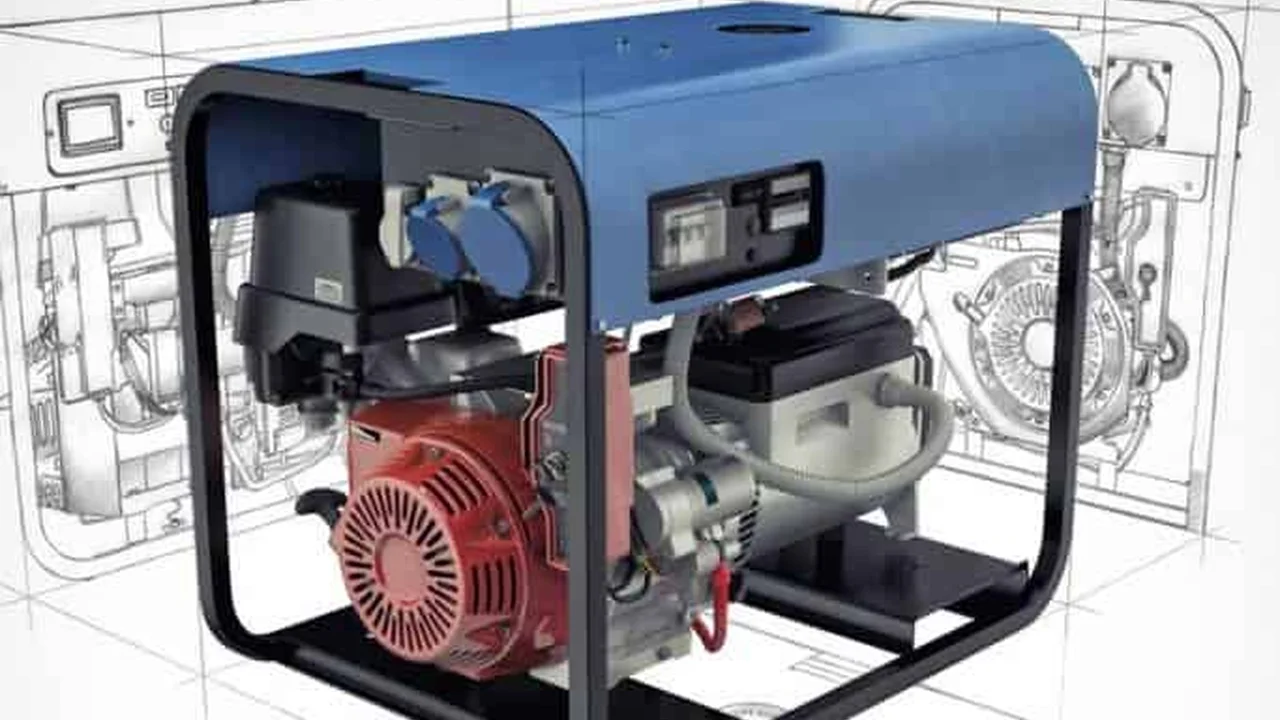
Understanding the Importance of Regular RV Generator Maintenance
Let's face it, nobody wants to be stuck in the middle of nowhere with a dead RV generator. It's more than just an inconvenience; it can impact your comfort, safety, and even your ability to enjoy your trip. Think about it: no air conditioning on a sweltering summer day, no heating on a chilly night, no microwave to heat up your leftovers, and no power for your essential electronics. That's why understanding the importance of regular RV generator maintenance is absolutely crucial.
Your RV generator is essentially a miniature power plant, and like any engine, it requires regular care and attention to function optimally. Neglecting maintenance can lead to a whole host of problems, from decreased performance and fuel efficiency to costly repairs and even complete failure. A well-maintained generator will not only provide reliable power but also extend its lifespan, saving you money in the long run.
Think of it like your car. You wouldn't drive thousands of miles without changing the oil, would you? The same principle applies to your RV generator. Regular maintenance is an investment in its longevity and reliability, ensuring that you have power when and where you need it.
Essential RV Generator Maintenance Checklist
So, what exactly does regular RV generator maintenance entail? Here's a comprehensive checklist to guide you:
- Oil Changes: This is arguably the most crucial aspect of generator maintenance. Old, dirty oil can cause excessive wear and tear on engine components. Check your generator's manual for the recommended oil change interval, which is typically every 50-100 hours of operation or at least once a year.
- Air Filter Cleaning or Replacement: A dirty air filter restricts airflow, leading to decreased performance and increased fuel consumption. Clean or replace the air filter regularly, depending on the conditions in which you operate your RV. Dusty environments will require more frequent cleaning or replacement.
- Spark Plug Inspection and Replacement: Spark plugs ignite the air-fuel mixture in the engine, and worn or fouled spark plugs can cause misfires and reduced power output. Inspect the spark plug(s) regularly and replace them as needed.
- Fuel Filter Replacement: A clogged fuel filter can restrict fuel flow, leading to starting problems and poor performance. Replace the fuel filter according to the manufacturer's recommendations.
- Coolant Level Check (for liquid-cooled generators): If your generator is liquid-cooled, check the coolant level regularly and top it off as needed. Low coolant levels can lead to overheating and engine damage.
- Battery Maintenance (for electric start generators): Ensure that the battery is properly charged and that the terminals are clean and corrosion-free. A weak battery can make it difficult to start the generator.
- Exercise the Generator Regularly: Even if you don't use your generator frequently, it's important to exercise it for at least 30 minutes each month. This helps to lubricate the engine components and prevent fuel system problems.
- Visual Inspection: Regularly inspect the generator for any signs of damage, leaks, or loose connections. Address any issues promptly to prevent them from escalating into more serious problems.
Choosing the Right Oil for Your RV Generator: A Detailed Guide
Selecting the right oil for your RV generator is critical for its performance and longevity. Not all oils are created equal, and using the wrong type can lead to engine damage. Here's a detailed guide to help you choose the right oil:
Understanding Oil Viscosity: Oil viscosity refers to its thickness or resistance to flow. The Society of Automotive Engineers (SAE) uses a numbering system to classify oil viscosity, with lower numbers indicating thinner oils and higher numbers indicating thicker oils. For example, SAE 30 is a thicker oil than SAE 10W-30.
Conventional vs. Synthetic Oil: Conventional oil is derived from crude oil and is typically less expensive than synthetic oil. Synthetic oil is manufactured using a more complex process and offers superior performance and protection. Synthetic oil is more resistant to breakdown at high temperatures, provides better lubrication at low temperatures, and helps to reduce engine wear.
Recommended Oil Types: Consult your generator's owner's manual for the manufacturer's recommended oil type and viscosity. In general, most RV generators require a high-quality synthetic or semi-synthetic oil with a viscosity of SAE 30 or SAE 10W-30. For colder climates, a lower viscosity oil like SAE 5W-30 may be recommended.
Product Recommendations and Comparisons:
- Mobil 1 10W-30 Synthetic Motor Oil: This is a popular choice for RV generators due to its excellent performance and protection. It provides superior lubrication at all temperatures and helps to reduce engine wear. Price: Approximately $10-$12 per quart.
- Shell Rotella T6 5W-40 Synthetic Motor Oil: This oil is specifically designed for diesel engines, but it can also be used in some RV generators. It offers excellent protection against wear and corrosion and is particularly well-suited for heavy-duty applications. Price: Approximately $25-$30 per gallon.
- Briggs & Stratton 30W Oil: If you have a Briggs & Stratton generator, using their branded oil is a good option. It's formulated to meet the specific requirements of their engines. Price: Approximately $5-$7 per quart.
How to Change Your RV Generator's Oil: A Step-by-Step Guide
- Gather Your Supplies: You'll need the correct type and amount of oil, an oil filter wrench, a drain pan, a funnel, and rags.
- Warm Up the Engine: Run the generator for a few minutes to warm up the oil. This will help it flow more easily.
- Locate the Oil Drain Plug: Consult your generator's manual to find the location of the oil drain plug.
- Position the Drain Pan: Place the drain pan under the oil drain plug.
- Remove the Drain Plug: Use a wrench to carefully remove the drain plug. Be careful, as the oil may be hot.
- Allow the Oil to Drain Completely: Let the oil drain completely into the drain pan.
- Remove and Replace the Oil Filter: Use an oil filter wrench to remove the old oil filter. Lubricate the rubber gasket on the new oil filter with fresh oil and install it. Tighten the oil filter by hand.
- Reinstall the Drain Plug: Reinstall the drain plug and tighten it securely.
- Add Fresh Oil: Use a funnel to add the correct amount of fresh oil to the engine. Consult your generator's manual for the correct oil capacity.
- Check the Oil Level: Use the dipstick to check the oil level. Add more oil if necessary to reach the full mark.
- Start the Generator: Start the generator and let it run for a few minutes. Check for any leaks around the drain plug and oil filter.
- Dispose of the Used Oil Properly: Take the used oil to a recycling center or auto parts store for proper disposal.
RV Generator Air Filter Cleaning and Replacement Techniques
The air filter is another critical component of your RV generator. It prevents dirt and debris from entering the engine, which can cause damage and reduce performance. Cleaning or replacing the air filter regularly is essential for maintaining optimal generator performance.
Types of Air Filters: RV generators typically use either paper or foam air filters. Paper filters are more effective at trapping dirt and debris, but they are also more restrictive to airflow. Foam filters are less restrictive but require more frequent cleaning.
Cleaning a Foam Air Filter:
- Remove the Air Filter: Consult your generator's manual to find the location of the air filter and remove it.
- Clean the Air Filter: Wash the air filter with warm soapy water. Squeeze out the excess water and allow it to dry completely.
- Oil the Air Filter: Apply a light coat of air filter oil to the air filter. This will help to trap dirt and debris.
- Reinstall the Air Filter: Reinstall the air filter in the generator.
Replacing a Paper Air Filter:
- Remove the Air Filter: Consult your generator's manual to find the location of the air filter and remove it.
- Install a New Air Filter: Install a new air filter in the generator.
Product Recommendations and Comparisons:
- Briggs & Stratton Air Filter Cartridge: A reliable paper air filter designed for Briggs & Stratton generators. Price: Approximately $10-$15.
- Universal Foam Air Filter: A versatile foam air filter that can be cut to size to fit various generators. Price: Approximately $5-$10.
- K&N Air Filter Cleaning Kit: A comprehensive kit for cleaning and oiling foam air filters. Price: Approximately $20-$25.
RV Generator Spark Plug Inspection and Replacement Procedures
The spark plug ignites the air-fuel mixture in the engine, and a worn or fouled spark plug can cause misfires, reduced power output, and difficulty starting the generator. Inspecting and replacing the spark plug regularly is essential for maintaining optimal generator performance.
Inspecting the Spark Plug:
- Remove the Spark Plug: Consult your generator's manual to find the location of the spark plug and remove it using a spark plug wrench.
- Inspect the Spark Plug: Examine the spark plug for signs of wear, such as a worn or rounded electrode, carbon buildup, or cracks in the insulator.
Replacing the Spark Plug:
- Gap the Spark Plug: Use a spark plug gapping tool to set the gap to the manufacturer's recommended specification.
- Install the Spark Plug: Install the spark plug by hand, then tighten it an additional 1/2 turn with a spark plug wrench.
Product Recommendations and Comparisons:
- NGK Spark Plug: A high-quality spark plug known for its reliability and performance. Price: Approximately $3-$5 per plug.
- Champion Spark Plug: Another popular choice for RV generators, offering good performance and durability. Price: Approximately $2-$4 per plug.
- Spark Plug Gapping Tool: A must-have tool for ensuring the correct spark plug gap. Price: Approximately $5-$10.
Fuel Filter Replacement: Ensuring Clean Fuel Delivery to Your RV Generator
The fuel filter prevents dirt and debris from entering the fuel system, which can clog the carburetor or fuel injectors and cause starting problems and poor performance. Replacing the fuel filter regularly is crucial for ensuring clean fuel delivery to your RV generator.
Locating the Fuel Filter: Consult your generator's manual to find the location of the fuel filter. It is typically located in the fuel line between the fuel tank and the carburetor or fuel injectors.
Replacing the Fuel Filter:
- Shut Off the Fuel Supply: Close the fuel shut-off valve, if equipped. If not, you may need to clamp off the fuel line.
- Remove the Old Fuel Filter: Disconnect the fuel lines from the old fuel filter and remove it.
- Install the New Fuel Filter: Connect the fuel lines to the new fuel filter, ensuring that the fuel flows in the correct direction (indicated by an arrow on the filter).
- Open the Fuel Supply: Open the fuel shut-off valve or remove the clamp from the fuel line.
- Check for Leaks: Check for any fuel leaks around the fuel filter connections.
Product Recommendations and Comparisons:
- Universal Fuel Filter: A standard inline fuel filter that fits most RV generators. Price: Approximately $5-$10.
- Briggs & Stratton Fuel Filter: A fuel filter specifically designed for Briggs & Stratton generators. Price: Approximately $8-$12.
Coolant Level Check and Maintenance for Liquid-Cooled RV Generators
If your RV generator is liquid-cooled, maintaining the proper coolant level is essential for preventing overheating and engine damage. Check the coolant level regularly and top it off as needed.
Locating the Coolant Reservoir: Consult your generator's manual to find the location of the coolant reservoir. It is typically located near the engine.
Checking the Coolant Level:
- Allow the Engine to Cool: Ensure that the engine is cool before checking the coolant level.
- Remove the Coolant Reservoir Cap: Carefully remove the coolant reservoir cap.
- Check the Coolant Level: The coolant level should be between the "Min" and "Max" marks on the reservoir.
Adding Coolant:
- Add Coolant: If the coolant level is low, add a 50/50 mixture of coolant and distilled water to the reservoir until it reaches the "Max" mark.
- Reinstall the Coolant Reservoir Cap: Reinstall the coolant reservoir cap.
Product Recommendations and Comparisons:
- Prestone 50/50 Antifreeze/Coolant: A pre-mixed coolant that is ready to use. Price: Approximately $15-$20 per gallon.
- Distilled Water: Use distilled water to mix with coolant, as tap water can contain minerals that can damage the cooling system. Price: Approximately $1-$2 per gallon.
RV Generator Battery Maintenance: Ensuring Reliable Starting Power
For RV generators with electric start, maintaining the battery is crucial for ensuring reliable starting power. A weak or dead battery can make it difficult or impossible to start the generator.
Checking the Battery Voltage: Use a multimeter to check the battery voltage. A fully charged battery should read approximately 12.6 volts.
Cleaning the Battery Terminals: Clean the battery terminals with a wire brush to remove any corrosion. Apply a thin coat of petroleum jelly to the terminals to prevent future corrosion.
Charging the Battery: If the battery voltage is low, charge the battery using a battery charger.
Product Recommendations and Comparisons:
- Battery Tender Junior: A smart battery charger that automatically maintains the battery at its optimal charge level. Price: Approximately $30-$40.
- Multimeter: A versatile tool for measuring voltage, current, and resistance. Price: Approximately $20-$50.
- Wire Brush: A tool for cleaning battery terminals and removing corrosion. Price: Approximately $5-$10.
RV Generator Exercise: Why Regular Use is Key to Longevity
Even if you don't use your RV generator frequently, it's important to exercise it for at least 30 minutes each month. This helps to lubricate the engine components, prevent fuel system problems, and keep the generator in good working order.
Benefits of Exercising Your Generator:
- Lubricates Engine Components: Exercising the generator helps to circulate oil and lubricate the engine components, preventing them from drying out and corroding.
- Prevents Fuel System Problems: Exercising the generator helps to prevent fuel from going stale and clogging the fuel system.
- Keeps the Battery Charged: Exercising the generator helps to keep the battery charged, ensuring reliable starting power.
How to Exercise Your Generator:
- Start the Generator: Start the generator and let it run for at least 30 minutes.
- Apply a Load: Apply a load to the generator, such as running the air conditioner or microwave.
Visual Inspection: Identifying Potential Problems Early On
Regularly inspecting your RV generator for any signs of damage, leaks, or loose connections can help you identify potential problems early on and prevent them from escalating into more serious issues.
What to Look For:
- Leaks: Check for any leaks of oil, fuel, or coolant.
- Damage: Check for any signs of damage to the generator housing, wiring, or other components.
- Loose Connections: Check for any loose connections on the wiring, fuel lines, or other components.
- Unusual Noises: Listen for any unusual noises coming from the generator.
Addressing Issues Promptly:
If you find any issues during your visual inspection, address them promptly. Small problems can quickly escalate into more serious issues if they are left unaddressed.
Troubleshooting Common RV Generator Problems: A Practical Guide
Even with regular maintenance, you may occasionally encounter problems with your RV generator. Here's a practical guide to troubleshooting some common issues:
- Generator Won't Start:
- Check the fuel level.
- Check the battery voltage (for electric start generators).
- Check the spark plug.
- Check the fuel filter.
- Generator Starts But Shuts Off:
- Check the oil level.
- Check the air filter.
- Check for overheating.
- Generator Produces Low Power:
- Check the air filter.
- Check the spark plug.
- Check the fuel filter.
- Generator Makes Unusual Noises:
- Check for loose components.
- Check the engine for damage.
RV Generator Safety Precautions: Protecting Yourself and Your Equipment
Operating an RV generator safely is paramount to protecting yourself and your equipment. Here are some important safety precautions to keep in mind:
- Carbon Monoxide Safety: Never operate the generator in an enclosed space, such as inside the RV or garage. Carbon monoxide is a deadly, odorless gas. Install a carbon monoxide detector in your RV and check it regularly.
- Fuel Safety: Store gasoline in approved containers away from the generator and other sources of ignition. Never refuel the generator while it is running or hot.
- Electrical Safety: Use properly grounded extension cords and avoid overloading the generator.
- Maintenance Safety: Disconnect the spark plug wire before performing any maintenance on the generator.
RV Generator Storage Tips: Preparing for Periods of Inactivity
If you're storing your RV for an extended period, it's important to properly prepare the generator for storage to prevent problems when you're ready to use it again.
- Stabilize the Fuel: Add a fuel stabilizer to the fuel tank to prevent the fuel from going stale and clogging the fuel system.
- Drain the Fuel: Alternatively, you can drain the fuel tank completely.
- Change the Oil: Change the oil before storing the generator.
- Remove the Spark Plug: Remove the spark plug and spray a small amount of fogging oil into the cylinder.
- Cover the Generator: Cover the generator to protect it from dust and moisture.
RV Generator Maintenance Tools and Supplies: Building Your Essential Kit
Having the right tools and supplies on hand can make RV generator maintenance much easier and more efficient. Here's a list of essential items to include in your maintenance kit:
- Oil Filter Wrench
- Spark Plug Wrench
- Socket Set
- Wrenches
- Screwdrivers
- Multimeter
- Oil Drain Pan
- Funnel
- Rags
- Oil
- Air Filter
- Spark Plug
- Fuel Filter
- Coolant (if applicable)
- Fuel Stabilizer
- Battery Charger (for electric start generators)
- Wire Brush
When to Call a Professional RV Generator Technician: Recognizing Your Limits
While many RV generator maintenance tasks can be performed by the owner, there are times when it's best to call a professional technician. Here are some situations where professional help is recommended:
- You are not comfortable performing the maintenance yourself.
- You are unable to diagnose the problem.
- The problem is complex or requires specialized tools.
- The generator is still under warranty.
Extending the Life of Your RV Generator: Proactive Maintenance Strategies
By following a regular maintenance schedule and implementing proactive maintenance strategies, you can significantly extend the life of your RV generator and ensure its reliable performance for years to come.
- Follow the manufacturer's recommended maintenance schedule.
- Use high-quality oil and filters.
- Exercise the generator regularly.
- Perform visual inspections regularly.
- Address any problems promptly.
:max_bytes(150000):strip_icc()/277019-baked-pork-chops-with-cream-of-mushroom-soup-DDMFS-beauty-4x3-BG-7505-5762b731cf30447d9cbbbbbf387beafa.jpg)