RV Roof Maintenance: Preventing Leaks and Damage
Understanding Your RV's Water System The Foundation of RV Plumbing
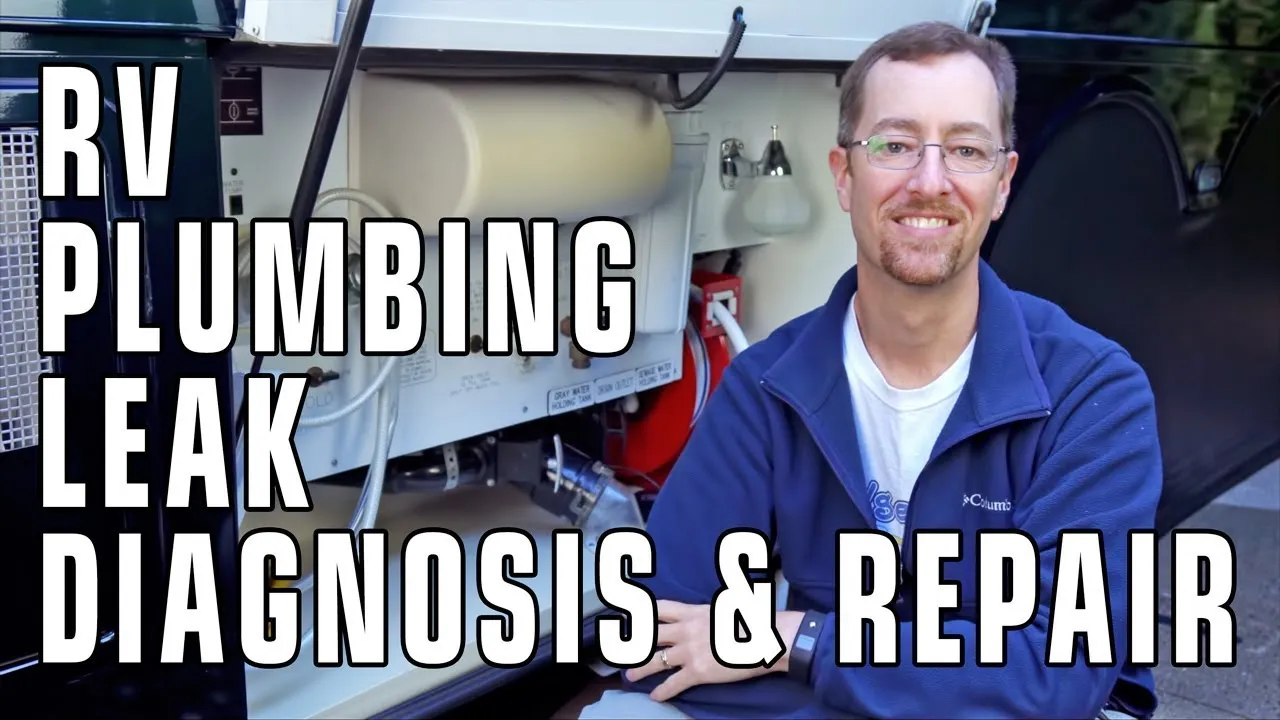
The water system in your RV is the lifeblood of comfort on the road. It provides you with running water for everything from brushing your teeth to showering and washing dishes. Understanding how it works, identifying potential problems, and knowing how to maintain it are crucial for avoiding costly repairs and ensuring a pleasant RVing experience. This comprehensive guide will walk you through the intricacies of your RV's water system, covering everything from basic components to troubleshooting common issues and recommending the best products for keeping your system in top shape.
The Core Components of Your RV Water System Understanding the Plumbing Network
Your RV's water system is more than just a tank and a few pipes. It's a complex network of components working together to deliver water where you need it. Let's break down the key elements:
- Fresh Water Tank: This is where you store your potable water. Sizes vary depending on the RV, ranging from small tanks in pop-up campers to large tanks in luxury motorhomes.
- Water Pump: This pump pressurizes the water system, allowing water to flow to your faucets and showerhead. RV water pumps are typically 12-volt DC pumps.
- Water Heater: This heats the water for showers and washing dishes. RV water heaters can be propane-powered, electric, or a combination of both.
- Water Filter: This removes sediment and impurities from the water, improving its taste and protecting your plumbing fixtures.
- Plumbing Lines: These are the pipes that carry water throughout the RV. Common materials include PEX (cross-linked polyethylene) and flexible tubing.
- Faucets and Showerhead: These are the fixtures that deliver water to you.
- Drain System: This system carries wastewater (gray water and black water) to the holding tanks.
- Gray Water Tank: This tank holds wastewater from sinks and showers.
- Black Water Tank: This tank holds wastewater from the toilet.
- Water Pressure Regulator: This regulates the incoming water pressure from a campground water source, preventing damage to your RV's plumbing.
- City Water Connection: This allows you to connect your RV to a campground water source.
Types of RV Water Systems A Comparison of Pressurized and Gravity-Fed Systems
There are two main types of RV water systems: pressurized and gravity-fed.
- Pressurized System: This is the most common type of RV water system. It uses a water pump to pressurize the water, allowing it to flow to your faucets and showerhead with consistent pressure, similar to a home plumbing system.
- Gravity-Fed System: This system relies on gravity to deliver water. The fresh water tank is located higher than the faucets, and water flows down due to gravity. These systems are less common and typically found in older or smaller RVs. They often have lower water pressure.
Maintaining Your RV Water System Preventing Leaks and Ensuring Water Quality
Regular maintenance is essential for keeping your RV water system in good working order. Here are some key maintenance tasks:
- Sanitize Your Fresh Water Tank: Sanitize your fresh water tank at least twice a year to kill bacteria and prevent the growth of algae. Use a solution of bleach and water, following the manufacturer's instructions for your RV.
- Replace Your Water Filter: Replace your water filter regularly, as recommended by the manufacturer. A clogged filter can reduce water pressure and allow contaminants to enter your water system.
- Inspect Plumbing Lines for Leaks: Regularly inspect your plumbing lines for leaks. Look for signs of water damage, such as stains or mold. Repair any leaks immediately to prevent further damage.
- Drain and Flush Your Water Heater: Drain and flush your water heater annually to remove sediment and mineral buildup. This will improve its efficiency and extend its lifespan.
- Winterize Your RV Water System: If you live in a cold climate, winterize your RV water system before freezing temperatures arrive. This will prevent pipes from freezing and bursting.
- Check Water Pressure: Regularly check your water pressure using a water pressure gauge. Excessive water pressure can damage your plumbing fixtures. Use a water pressure regulator to maintain a safe pressure.
Troubleshooting Common RV Water System Problems Identifying and Fixing Issues
Even with proper maintenance, you may encounter problems with your RV water system. Here are some common issues and how to troubleshoot them:
- Low Water Pressure: This can be caused by a clogged water filter, a low water level in the fresh water tank, a faulty water pump, or a kinked plumbing line.
- No Water: This can be caused by an empty fresh water tank, a tripped water pump breaker, a faulty water pump, or a frozen plumbing line.
- Leaking Faucets or Pipes: This can be caused by worn-out washers, loose connections, or damaged pipes.
- Water Pump Runs Continuously: This can be caused by a leak in the system, a faulty water pump pressure switch, or a low water level in the fresh water tank.
- Unpleasant Taste or Odor in Water: This can be caused by bacteria or algae growth in the fresh water tank, a dirty water filter, or old water in the tank.
Recommended Products for Your RV Water System Enhancing Performance and Reliability
Investing in quality products can significantly improve the performance and reliability of your RV water system. Here are some recommended products:
- Water Filters:
- Camco TastePURE RV Water Filter: This filter removes chlorine, sediment, and other impurities from your water, improving its taste and odor. It's a popular and affordable option. (Price: $15-$25)
- Clear2O DirtGUARD Sediment Filter: This filter removes sediment and debris from your water, protecting your plumbing fixtures and extending the life of your water filter. (Price: $20-$30)
- FLOW PUR 1 Micron RV Water Filter: This filter provides superior filtration, removing even the smallest particles from your water. It's a good choice for those with sensitive stomachs or who want the purest water possible. (Price: $30-$40)
- Water Pumps:
- SHURflo 4008 Revolution RV Water Pump: This is a popular and reliable RV water pump known for its quiet operation and consistent water pressure. It's a good all-around choice. (Price: $80-$120)
- SEAFLO 33 Series RV Water Pump: This pump is a more budget-friendly option that still provides good performance. It's a good choice for those on a tighter budget. (Price: $50-$80)
- Aquatec 5800 Series RV Water Pump: This pump offers high performance and is known for its durability. It's a good choice for those who frequently use their RV or who need a pump that can handle heavy use. (Price: $150-$200)
- Water Heaters:
- Suburban SW6D RV Water Heater: This is a popular and reliable propane-powered RV water heater. It's a good choice for those who primarily boondock or who want a water heater that can run on propane. (Price: $300-$400)
- Atwood GC6AA-10E RV Water Heater: This is a dual-fuel RV water heater that can run on propane or electricity. It's a good choice for those who want the flexibility of using either fuel source. (Price: $400-$500)
- Tankless RV Water Heaters (e.g., Girard): Tankless water heaters provide on-demand hot water, eliminating the need to wait for a tank to heat up. They are more expensive but can save space and energy. (Price: $600-$1000+)
- Water Pressure Regulators:
- Camco Adjustable Water Pressure Regulator: This regulator allows you to adjust the water pressure to a safe level for your RV's plumbing. (Price: $20-$30)
- Watts Regulator N368A Water Pressure Regulator: This is a high-quality, durable water pressure regulator that provides consistent pressure. (Price: $40-$60)
- Water Hoses:
- Camco Premium Drinking Water Hose: This hose is safe for drinking water and is designed to resist kinking. (Price: $20-$30)
- Zero-G Drinking Water Hose: This hose is lightweight, flexible, and easy to store. It's a good choice for those who want a hose that is easy to handle. (Price: $30-$40)
Product Comparison Evaluating Key Features and Benefits
Choosing the right products for your RV water system can be overwhelming. Here's a comparison of some key features and benefits to help you make an informed decision:
Water Filter Comparison
| Feature | Camco TastePURE | Clear2O DirtGUARD | FLOW PUR 1 Micron |
|---|---|---|---|
| Filtration Type | Granular Activated Carbon | Sediment Filter | 1 Micron Filter |
| Removes | Chlorine, Sediment, Taste, Odor | Sediment, Debris | Sediment, Bacteria, Protozoa |
| Price | $15-$25 | $20-$30 | $30-$40 |
| Best For | Improving Taste and Odor | Protecting Plumbing from Sediment | Superior Filtration for Sensitive Stomachs |
Water Pump Comparison
| Feature | SHURflo 4008 | SEAFLO 33 Series | Aquatec 5800 |
|---|---|---|---|
| Pressure | 45 PSI | 45 PSI | 50 PSI |
| Flow Rate | 3.0 GPM | 3.0 GPM | 3.5 GPM |
| Noise Level | Quiet | Moderate | Moderate |
| Price | $80-$120 | $50-$80 | $150-$200 |
| Best For | All-Around Performance | Budget-Friendly Option | High Performance and Durability |
Water Heater Comparison
| Feature | Suburban SW6D | Atwood GC6AA-10E | Tankless (e.g., Girard) |
|---|---|---|---|
| Fuel Source | Propane | Propane/Electric | Propane/Electric |
| Tank Size | 6 Gallons | 6 Gallons | N/A (On-Demand) |
| Recovery Rate | High | High | Instant |
| Price | $300-$400 | $400-$500 | $600-$1000+ |
| Best For | Boondocking, Propane Use | Flexibility of Fuel Sources | On-Demand Hot Water, Space Saving |
Detailed Product Information Specifications Pricing and Use Cases
Let's delve into more detail about some of these recommended products:
SHURflo 4008 Revolution RV Water Pump Detailed Specs
- Voltage: 12V DC
- Flow Rate: 3.0 Gallons Per Minute (GPM)
- Pressure: 45 PSI
- Self-Priming: Yes, up to 6 feet
- Inlet/Outlet Ports: 1/2" - 14 NPSM
- Amp Draw: 7.5 Amps (Maximum)
- Dimensions: Approximately 8" x 4" x 4"
- Weight: Approximately 6 lbs
- Price: $80 - $120 (Varies by retailer)
- Use Cases: Ideal for providing consistent water pressure in RVs for showers, sinks, and toilets. Suitable for small to medium-sized RVs.
Why Choose the SHURflo 4008? This pump is known for its quiet operation and reliable performance. The internal bypass design reduces pump cycling, leading to smoother water flow and longer pump life. It's a popular choice among RVers for its balance of performance and price.
Camco TastePURE RV Water Filter Detailed Specs
- Filter Media: Granular Activated Carbon (GAC)
- Fitting Size: Standard Hose Fittings
- Filter Life: Approximately 3 Months or 300 Gallons (Depending on water quality)
- Removes: Chlorine, Sediment, Bad Taste, Odors
- Certifications: NSF Certified
- Dimensions: Approximately 9" long x 3" diameter
- Weight: Approximately 1 lb
- Price: $15 - $25 (Varies by retailer)
- Use Cases: Connects to your RV's water hose to filter incoming water from campground sources. Improves the taste and odor of drinking water and protects your RV's plumbing from sediment.
Why Choose the Camco TastePURE? This filter is a cost-effective way to improve the quality of your RV's water. It's easy to install and replace, and it effectively removes chlorine and sediment, making your water taste better and protecting your plumbing fixtures.
Suburban SW6D RV Water Heater Detailed Specs
- Fuel Type: Propane (LP Gas)
- Tank Capacity: 6 Gallons
- BTU Input: 12,000 BTU/hr
- Recovery Rate: 6 Gallons Per Hour (GPH)
- Ignition: Direct Spark Ignition (DSI)
- Dimensions: Approximately 16" x 12.5" x 12.5"
- Weight: Approximately 22 lbs (Empty)
- Price: $300 - $400 (Varies by retailer)
- Use Cases: Provides hot water for showers, sinks, and other appliances in RVs. Ideal for boondocking or when electricity is limited.
Why Choose the Suburban SW6D? This water heater is a reliable and efficient way to heat water in your RV using propane. The direct spark ignition ensures easy starting, and the 6-gallon tank provides enough hot water for most RVing needs. It's a popular choice for its durability and performance.
Winterizing Your RV Water System A Step-by-Step Guide to Preventing Freeze Damage
Winterizing your RV water system is crucial if you live in a cold climate or plan to store your RV during the winter months. Freezing temperatures can cause pipes to burst, leading to costly repairs. Here's a step-by-step guide to winterizing your RV water system:
- Drain All Water: Drain the fresh water tank, water heater, and all plumbing lines. Open all faucets and low-point drains to allow the water to flow out.
- Bypass the Water Heater: Bypass the water heater to prevent antifreeze from entering it. Most RVs have a bypass valve for this purpose.
- Add RV Antifreeze: Pour RV antifreeze into the fresh water tank. The amount you need will depend on the size of your tank, but typically 2-3 gallons is sufficient.
- Run the Water Pump: Turn on the water pump and run each faucet until antifreeze flows out. This will ensure that all plumbing lines are filled with antifreeze.
- Flush the Toilet: Flush the toilet until antifreeze flows into the bowl.
- Pour Antifreeze into Drains: Pour antifreeze into all drains, including the shower drain and sink drains.
- Remove Water Filter: Remove the water filter and dispose of it. Do not reuse it in the spring.
- Close All Faucets and Drains: Close all faucets and low-point drains.
- Disconnect Water Hose: Disconnect the water hose from the city water connection.
- Add Antifreeze to Washing Machine (If Applicable): If your RV has a washing machine, follow the manufacturer's instructions for winterizing it.
De-Winterizing Your RV Water System Preparing for Spring and Summer Adventures
Once the weather warms up, you'll need to de-winterize your RV water system before you can use it again. Here's how:
- Drain the Antifreeze: Drain the antifreeze from the fresh water tank and plumbing lines. Open all faucets and low-point drains to allow the antifreeze to flow out.
- Flush the System: Flush the system with fresh water for at least 15 minutes to remove any remaining antifreeze.
- Sanitize the Fresh Water Tank: Sanitize the fresh water tank with a solution of bleach and water, following the manufacturer's instructions for your RV.
- Replace the Water Filter: Replace the water filter with a new one.
- Reconnect Water Hose: Reconnect the water hose to the city water connection.
- Test the System: Turn on the water pump and check for leaks.
- Run All Faucets: Run all faucets to ensure that water is flowing properly.
Water Conservation Tips for RVers Minimizing Water Usage on the Road
Conserving water is important when RVing, especially when boondocking or camping in areas with limited water resources. Here are some tips for minimizing water usage on the road:
- Take Shorter Showers: Reduce the length of your showers to save water. Consider using a low-flow showerhead.
- Turn Off the Water While Brushing Your Teeth: Don't let the water run while you're brushing your teeth.
- Wash Dishes Efficiently: Wash dishes in a basin instead of running the water continuously.
- Use Water-Saving Appliances: Consider using water-saving appliances, such as a low-flow toilet or a water-efficient washing machine.
- Collect Rainwater: Collect rainwater to use for non-potable purposes, such as washing your RV or flushing the toilet.
- Fix Leaks Promptly: Repair any leaks immediately to prevent water waste.
- Use a Water Meter: Use a water meter to track your water usage and identify areas where you can conserve water.
RV Water System Safety Precautions Protecting Your Health and Preventing Damage
Taking safety precautions is essential when working with your RV water system. Here are some important safety tips:
- Use Potable Water Hoses: Only use hoses that are specifically designed for drinking water.
- Sanitize Your Fresh Water Tank Regularly: Sanitize your fresh water tank to kill bacteria and prevent the growth of algae.
- Use a Water Filter: Use a water filter to remove sediment and impurities from your water.
- Check Water Pressure: Regularly check your water pressure to prevent damage to your plumbing fixtures.
- Winterize Your RV Water System: Winterize your RV water system before freezing temperatures arrive to prevent pipes from bursting.
- Never Drink from the Black Water Tank: This should be obvious, but never drink water from the black water tank.
- Wear Gloves When Working with Antifreeze: RV antifreeze is toxic, so wear gloves when handling it.
- Dispose of Antifreeze Properly: Dispose of antifreeze at a designated recycling center.
Understanding RV Water System Diagrams Visualizing the Plumbing Layout
Understanding your RV's water system diagram can be helpful for troubleshooting problems and performing maintenance. These diagrams typically show the location of all the major components, including the fresh water tank, water pump, water heater, plumbing lines, and holding tanks. You can usually find the water system diagram in your RV's owner's manual.
Finding RV Water System Repair Services Locating Qualified Technicians
If you're not comfortable working on your RV water system yourself, you can hire a qualified technician to perform repairs or maintenance. Here are some ways to find RV water system repair services:
- Ask for Recommendations: Ask other RVers for recommendations.
- Search Online: Search online for RV repair services in your area.
- Check with RV Dealers: Check with RV dealers in your area.
- Look for Certified Technicians: Look for technicians who are certified by the RV Technical Institute (RVTI).
RV Water System Upgrades Enhancing Functionality and Convenience
There are several upgrades you can make to your RV water system to enhance its functionality and convenience. Here are a few examples:
- Install a Tankless Water Heater: Tankless water heaters provide on-demand hot water, eliminating the need to wait for a tank to heat up.
- Install a Water Softener: Water softeners remove minerals from your water, preventing scale buildup and improving the taste of your water.
- Install a Whole-House Water Filter: A whole-house water filter filters all the water that enters your RV, providing clean and safe water for all your needs.
- Install a Water Pressure Accumulator Tank: An accumulator tank helps to maintain consistent water pressure, even when the water pump is cycling on and off.
- Install a Gray Water Diversion System: A gray water diversion system allows you to divert gray water from your sinks and showers to your toilet, conserving fresh water.
DIY RV Water System Projects Simple Modifications and Improvements
There are also several DIY projects you can tackle to improve your RV water system. Here are a few ideas:
- Install a New Faucet: Replacing an old faucet with a new one can improve the look and functionality of your kitchen or bathroom.
- Install a Showerhead with a Shut-Off Valve: A showerhead with a shut-off valve allows you to pause the water flow while you're lathering up, saving water.
- Add a Water Filter to Your Shower: A shower water filter removes chlorine and other impurities from your shower water, improving your skin and hair.
- Install a Backflow Preventer: A backflow preventer prevents water from flowing back into the city water supply, protecting the water source from contamination.
The Future of RV Water Systems Innovative Technologies and Trends
The future of RV water systems is likely to be shaped by innovative technologies and trends, such as:
- Smart Water Systems: Smart water systems use sensors and data analytics to monitor water usage, detect leaks, and optimize water conservation.
- Water Recycling Systems: Water recycling systems treat and reuse gray water for non-potable purposes, such as flushing the toilet or watering plants.
- Solar-Powered Water Heaters: Solar-powered water heaters use solar energy to heat water, reducing reliance on propane or electricity.
- Improved Water Filtration Technologies: New water filtration technologies are being developed to remove even more contaminants from water, providing cleaner and safer drinking water.
Resources for RV Water System Information Online Communities and Expert Advice
There are many resources available online for RV water system information, including online communities and expert advice. Here are a few examples:
- RV Forums: RV forums are a great place to ask questions and get advice from other RVers.
- RV Blogs: RV blogs often feature articles about RV water systems and other RV-related topics.
- RV YouTube Channels: RV YouTube channels often feature videos about RV water systems and other RV-related topics.
- RV Technical Institute (RVTI): The RVTI offers training and certification for RV technicians.
Final Thoughts on RV Water System Maintenance Ensuring a Reliable Water Supply
Understanding and maintaining your RV's water system is critical for enjoyable and trouble-free RV adventures. By following the tips and recommendations in this guide, you can ensure a reliable water supply, prevent costly repairs, and protect your health. Regular maintenance, careful product selection, and a proactive approach to troubleshooting will keep your RV water system flowing smoothly for years to come.
:max_bytes(150000):strip_icc()/277019-baked-pork-chops-with-cream-of-mushroom-soup-DDMFS-beauty-4x3-BG-7505-5762b731cf30447d9cbbbbbf387beafa.jpg)