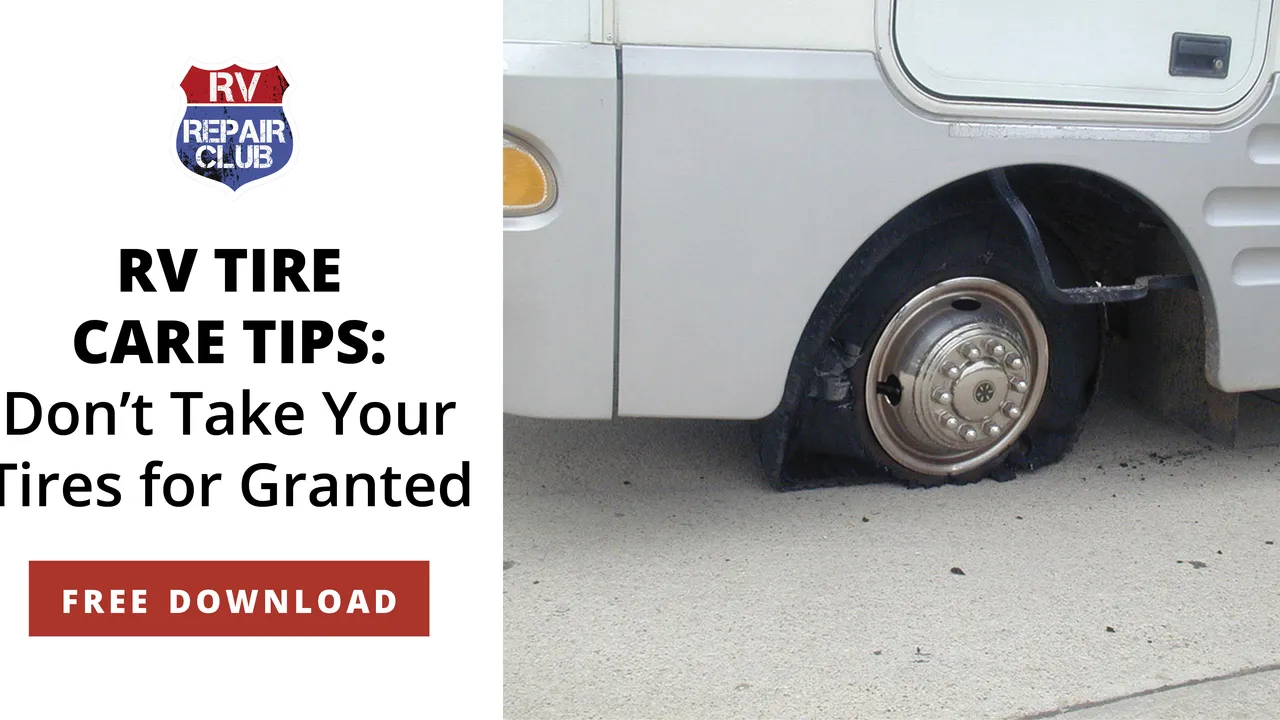
RV Tire Care: Ensuring Safety and Longevity
Understanding Your RVs Plumbing System A Comprehensive Guide
The plumbing system in your RV is a complex network of pipes, tanks, and fixtures that work together to provide you with fresh water and dispose of wastewater. Understanding how this system works is crucial for maintaining it properly and preventing costly repairs. This guide will walk you through the different components of your RV's plumbing system, common problems, and how to address them.
Key Components of Your RV Plumbing System
Let's break down the main parts of your RV's waterworks:
Fresh Water Tank
This tank stores the potable water you'll use for drinking, cooking, showering, and flushing the toilet. Fresh water tanks come in various sizes, typically ranging from 20 to 100 gallons. It's important to regularly sanitize your fresh water tank to prevent the growth of bacteria and algae. We'll cover sanitization methods later.
Water Pump
The water pump is the heart of your RV's plumbing system. It pressurizes the water from the fresh water tank and sends it to your faucets, shower, and toilet. Most RVs use a 12-volt DC water pump. These pumps are typically self-priming and can handle intermittent use. Look for a pump with a low noise level if you plan on using it frequently.
Product Recommendation: The SHURflo 2088-554-144 Aqua King Water Pump is a popular choice for RVs. It's known for its reliability, quiet operation, and self-priming capabilities. It delivers 3.0 GPM at 55 PSI. Price: Around $70-90.
Use Case: Ideal for replacing an old or failing water pump in your RV. It provides consistent water pressure for comfortable showering and reliable water flow for other uses.
Product Comparison: Compared to the SEAFLO 33-Series Diaphragm Water Pump, the SHURflo is generally considered quieter and more reliable, although the SEAFLO is often more budget-friendly. The SEAFLO might be a good option if you're on a tight budget, but the SHURflo is a better long-term investment.
Water Heater
The water heater provides hot water for showers and washing dishes. RV water heaters typically use propane or electricity (or both) to heat the water. They range in size from 6 to 12 gallons. Regular maintenance, such as draining the tank and checking the anode rod, is crucial for extending the life of your water heater.
Product Recommendation: The Suburban 6-Gallon Direct Spark Ignition Water Heater is a reliable and efficient option. It's a propane-powered water heater with a direct spark ignition system for easy start-up. Price: Around $300-400.
Use Case: Perfect for smaller RVs or those who don't require a large volume of hot water. Provides hot water quickly and efficiently.
Product Comparison: Compared to the Atwood 94022 Mobile Water Heater, the Suburban is generally easier to service. The Atwood is known for its compact design, but the Suburban's parts are more readily available.
Gray Water Tank
This tank collects wastewater from your sinks and shower. Gray water is generally less contaminated than black water, but it still needs to be disposed of properly at designated dump stations. Gray water tanks vary in size, depending on the size of your RV.
Black Water Tank
This tank collects wastewater from your toilet. Black water is highly contaminated and must be handled with extreme care. Always use RV-specific toilet paper, which breaks down more easily, to prevent clogs. Regularly treat your black water tank with chemicals to control odor and break down waste.
Drain Valves
Drain valves are used to empty your gray and black water tanks. These valves are typically located near the tanks and are connected to a sewer hose. It's important to keep the valves in good working order and to replace them if they become leaky.
Pipes and Fittings
The pipes and fittings connect all the different components of your RV's plumbing system. These can be made of various materials, including PEX, PVC, and copper. PEX is a popular choice for RVs because it's flexible, durable, and resistant to freezing.
Common RV Plumbing Problems and Troubleshooting
Even with proper maintenance, you might encounter some plumbing issues in your RV. Here are some common problems and how to troubleshoot them:
Low Water Pressure
Low water pressure can be caused by several factors, including a clogged water filter, a faulty water pump, or a kinked water hose. Start by checking the water filter and replacing it if necessary. Next, check the water pump to make sure it's running properly. Finally, check the water hose for any kinks or obstructions.
Leaky Faucets and Pipes
Leaky faucets and pipes can waste water and cause damage to your RV. Start by tightening the connections on the faucet or pipe. If that doesn't work, you may need to replace the faucet or pipe. Use Teflon tape on threaded connections to prevent leaks.
Clogged Drains
Clogged drains can be a nuisance and can lead to unpleasant odors. Try using a plunger to clear the clog. If that doesn't work, you can use a drain snake or chemical drain cleaner. Be careful when using chemical drain cleaners, as they can damage your RV's plumbing system.
Frozen Pipes
Frozen pipes can burst and cause significant damage to your RV. To prevent frozen pipes, insulate them with pipe insulation. You can also use a space heater to keep the temperature inside your RV above freezing. If your pipes do freeze, thaw them slowly with a hair dryer or heat lamp.
Odor Problems
Odor problems can be caused by a variety of factors, including a dirty black water tank, a clogged vent pipe, or a leaky drain. Regularly clean your black water tank with RV-specific cleaning products. Check the vent pipe to make sure it's not clogged. Inspect the drains for any leaks.
Product Recommendation: For black tank odor control, consider Happy Campers Organic RV Holding Tank Treatment. It's a popular and effective solution that breaks down waste and eliminates odors without harsh chemicals. Price: Around $20-30.
Use Case: Add this treatment to your black tank after each dumping to prevent odors and ensure proper waste breakdown.
Product Comparison: Compared to traditional formaldehyde-based treatments, Happy Campers is more environmentally friendly and doesn't have the same harsh chemical smell. While formaldehyde treatments can be cheaper, they can also be more damaging to the environment and your septic system.
RV Plumbing Maintenance Tips
Regular maintenance is key to keeping your RV's plumbing system in good working order. Here are some tips to follow:
Sanitize Your Fresh Water Tank Regularly
Sanitizing your fresh water tank will help prevent the growth of bacteria and algae. To sanitize your tank, add 1/4 cup of household bleach for every 15 gallons of water capacity. Fill the tank with water and let it sit for at least four hours. Then, drain the tank and flush it with fresh water until the bleach smell is gone.
Use RV-Specific Toilet Paper
RV-specific toilet paper breaks down more easily than regular toilet paper, which helps prevent clogs in your black water tank. Look for toilet paper that is labeled as "RV-safe" or "septic-safe."
Treat Your Black Water Tank Regularly
Treating your black water tank with chemicals will help control odor and break down waste. There are many different types of RV black water tank treatments available, so choose one that is right for your needs.
Inspect Your Plumbing System Regularly
Regularly inspect your plumbing system for leaks, cracks, and other damage. Pay close attention to the pipes, fittings, and drain valves. Repair any damage as soon as possible to prevent further problems.
Winterize Your RV Plumbing System
If you live in a cold climate, it's important to winterize your RV's plumbing system before the temperature drops below freezing. This will help prevent your pipes from freezing and bursting. To winterize your RV, drain all the water from the plumbing system and add RV antifreeze to the pipes. You can also bypass the water heater to prevent it from being damaged by freezing.
Choosing the Right RV Plumbing Components
When replacing or upgrading components in your RV's plumbing system, it's important to choose the right products for your needs. Consider the following factors:
Material
Pipes and fittings are typically made of PEX, PVC, or copper. PEX is a popular choice for RVs because it's flexible, durable, and resistant to freezing. PVC is a less expensive option, but it's not as durable as PEX. Copper is the most expensive option, but it's also the most durable.
Size
Make sure to choose pipes and fittings that are the correct size for your RV's plumbing system. Using the wrong size pipes and fittings can cause leaks and other problems.
Quality
Choose high-quality plumbing components that are designed to withstand the rigors of RV use. Look for products that are made from durable materials and that have been tested to meet industry standards.
DIY RV Plumbing Repairs vs Professional Help
Some RV plumbing repairs are relatively simple and can be done yourself. Others are more complex and require the expertise of a professional. Here's a guideline:
DIY-Friendly Repairs
- Replacing a faucet or showerhead
- Unclogging a drain
- Replacing a water filter
- Adding RV antifreeze for winterization
Repairs Requiring Professional Help
- Repairing or replacing a water heater
- Repairing or replacing a water pump
- Repairing or replacing a black water tank
- Dealing with major leaks or burst pipes
If you're not comfortable working on your RV's plumbing system, it's always best to consult with a qualified RV technician.
RV Plumbing and Water Conservation Tips
Conserving water is important when RVing, especially if you're boondocking or camping without hookups. Here are some tips to help you conserve water:
Take Shorter Showers
Shorter showers will save a significant amount of water. Try using a low-flow showerhead to further reduce water consumption.
Turn Off the Water While Brushing Your Teeth
This simple step can save several gallons of water per day.
Use Water-Saving Appliances
Consider using water-saving appliances, such as a low-flow toilet and a high-efficiency washing machine.
Collect Rainwater
Collect rainwater in a clean container and use it for washing your RV or watering plants.
Be Mindful of Your Water Usage
Pay attention to how much water you're using and make adjustments as needed.
RV Plumbing Tools You Should Have
Having the right tools on hand can make RV plumbing repairs much easier. Here are some essential tools to have in your RV toolkit:
- Plunger
- Drain snake
- Adjustable wrench
- Pliers
- Screwdrivers
- Teflon tape
- Pipe cutter
- PEX crimping tool (if you have PEX plumbing)
- Multimeter (for electrical troubleshooting)
Ensuring Proper RV Plumbing Ventilation
Proper ventilation is crucial for preventing odors and maintaining a healthy environment inside your RV. The vent pipe for your black water tank allows gases to escape, preventing them from building up inside the RV. Make sure the vent pipe is not clogged and that it extends above the roof of the RV.
RV Plumbing and Septic Systems Understanding the Connection
When you're connected to a septic system at a campground or RV park, it's important to understand how the system works. Avoid flushing excessive amounts of toilet paper or other materials that can clog the system. Also, be mindful of the types of chemicals you use in your black water tank, as some chemicals can harm the septic system.
RV Plumbing and Water Filtration Ensuring Clean and Safe Water
Using a water filter is essential for removing sediment, chlorine, and other contaminants from your RV's water supply. There are many different types of RV water filters available, so choose one that is right for your needs. Consider using a whole-house filter to filter all the water entering your RV, or a point-of-use filter for your drinking water.
Product Recommendation: The Camco 40043 TastePURE Water Filter is a popular and affordable option for RVs. It reduces bad taste, odors, chlorine, and sediment in your drinking water. Price: Around $20-30.
Use Case: Connect this filter to your water hose when filling your fresh water tank to ensure clean and safe drinking water.
Product Comparison: Compared to more expensive inline filters, the Camco is a more basic option. However, it's still effective at removing common contaminants and improving the taste of your water.
RV Plumbing Winterization Detailed Steps and Considerations
Winterizing your RV's plumbing system is crucial if you live in a cold climate or plan to store your RV during the winter months. Here's a detailed guide:
- Drain all the water from your fresh water tank, water heater, and plumbing lines.
- Bypass the water heater to prevent antifreeze from entering it.
- Add RV antifreeze to the plumbing lines by pumping it through the system with the water pump.
- Pour antifreeze into the drains to protect the P-traps from freezing.
- Remove the water filter and store it in a warm place.
- Open all the faucets and showerheads to allow any remaining water to drain out.
RV Plumbing Inspection Checklist A Step by Step Guide
Regularly inspecting your RV's plumbing system can help you identify and address potential problems before they become major issues. Here's a checklist to follow:
- Check for leaks around faucets, pipes, and fittings.
- Inspect the water pump for proper operation.
- Examine the water heater for signs of corrosion or damage.
- Check the drain valves for leaks.
- Inspect the black water tank for cracks or leaks.
- Examine the vent pipe for obstructions.
RV Plumbing and Gray Water Systems Understanding and Managing
Your RV's gray water system collects wastewater from your sinks and shower. While gray water is generally less contaminated than black water, it still needs to be disposed of properly at designated dump stations. Avoid dumping gray water on the ground, as this can be harmful to the environment.
RV Plumbing and Black Tank Sensors Troubleshooting and Maintenance
Black tank sensors can often be inaccurate, leading to false readings. To help keep your sensors clean and accurate, flush the black tank thoroughly after each dumping. You can also use a tank cleaning wand to dislodge any buildup on the sensors.
RV Plumbing Upgrades Enhancing Your Water System
There are many ways to upgrade your RV's plumbing system to enhance its performance and convenience. Consider upgrading to a larger fresh water tank, installing a tankless water heater, or adding a water softener.
RV Plumbing and Water Pressure Regulators Protecting Your System
Using a water pressure regulator is essential for protecting your RV's plumbing system from damage caused by high water pressure at campgrounds. A water pressure regulator will reduce the water pressure to a safe level, typically around 40-50 PSI.
Product Recommendation: The Watts 0263340 Water Pressure Regulator is a reliable and adjustable option. It allows you to set the desired water pressure for your RV. Price: Around $30-40.
Use Case: Connect this regulator to your water hose before connecting it to the campground's water supply to protect your RV's plumbing system from high pressure.
Product Comparison: Compared to fixed-pressure regulators, the Watts adjustable regulator allows you to fine-tune the water pressure to your specific needs.
RV Plumbing and PEX Tubing Working with PEX
PEX tubing is a popular choice for RV plumbing because it's flexible, durable, and resistant to freezing. When working with PEX tubing, you'll need a PEX crimping tool and PEX fittings. Make sure to use the correct crimping tool and fittings for the size of PEX tubing you're using.
RV Plumbing and Emergency Repairs What to Do in a Pinch
Even with proper maintenance, you may encounter plumbing emergencies while RVing. Here are some tips for dealing with common emergencies:
- Burst Pipe: Turn off the water supply immediately and try to patch the pipe with duct tape or a pipe repair clamp.
- Leaky Faucet: Tighten the connections on the faucet or replace the faucet if necessary.
- Clogged Drain: Use a plunger or drain snake to clear the clog.
RV Plumbing and Gray Water Recycling Exploring the Possibilities
Gray water recycling is a process of treating and reusing gray water for non-potable purposes, such as flushing the toilet or watering plants. While gray water recycling systems are not common in RVs, they can be a way to conserve water and reduce your environmental impact.
RV Plumbing and Tankless Water Heaters On Demand Hot Water
Tankless water heaters provide hot water on demand, eliminating the need for a storage tank. This can save space and energy. However, tankless water heaters can be more expensive than traditional water heaters and may require a higher electrical load.
RV Plumbing and Water Softeners Reducing Hard Water Problems
Water softeners remove minerals from hard water, preventing scale buildup in your plumbing system and appliances. If you frequently camp in areas with hard water, a water softener can be a worthwhile investment.
RV Plumbing and Expanding Foam Using it Correctly
Expanding foam can be used to insulate pipes and fill gaps in your RV's plumbing system. However, be careful not to use too much expanding foam, as it can damage pipes and other components. Use a low-expansion foam specifically designed for plumbing applications.
RV Plumbing and Insurance Coverage Understanding Your Policy
It's important to understand your RV insurance policy and what it covers in terms of plumbing repairs. Some policies may cover damage caused by frozen pipes, while others may not. Review your policy carefully and talk to your insurance agent if you have any questions.
RV Plumbing and Ethical Waste Disposal Practices
Always dispose of your gray and black water properly at designated dump stations. Never dump waste water on the ground or in unauthorized locations. This is not only illegal but also harmful to the environment.
:max_bytes(150000):strip_icc()/277019-baked-pork-chops-with-cream-of-mushroom-soup-DDMFS-beauty-4x3-BG-7505-5762b731cf30447d9cbbbbbf387beafa.jpg)