RV Leveling Systems: Ensuring a Stable Foundation
Understanding the Importance of RV Leveling Systems
Alright, let's talk RV leveling. You might be thinking, "Do I really need a leveling system? Can't I just park on a slightly sloped surface?" Well, you can, but let me tell you, living in a tilted RV gets old real fast. Imagine trying to cook on a slanted stove, sleeping on a bed that feels like it's trying to eject you, or constantly chasing your coffee mug across the table. Not ideal, right?
Beyond the comfort factor, proper RV leveling is crucial for several reasons. First, it protects your appliances. Refrigerators, especially older models, rely on gravity to function correctly. If they're not level, they can suffer damage and even fail prematurely. Second, leveling prevents stress on your RV's frame. Over time, parking on uneven ground can cause the frame to twist and warp, leading to costly repairs. Finally, a level RV is simply safer and more enjoyable. You'll avoid those awkward stumbles and have a much more stable and secure living space.
Types of RV Leveling Systems Exploring Your Options
Now that we've established why leveling is important, let's dive into the different types of RV leveling systems available. There's a solution for every RV and every budget, so don't feel overwhelmed. We'll break it down into manageable chunks.
Manual Leveling Systems The Budget-Friendly Choice
Manual leveling systems are the simplest and most affordable option. They typically consist of leveling blocks, ramps, and chocks. You manually position these under your tires until your RV is level. This requires a bit of trial and error, a good level, and maybe a patient partner to spot you. While they require more effort, manual systems are reliable and don't rely on electricity or hydraulics.
Examples:
- Leveling Blocks: These are stackable blocks of various heights that you drive onto to raise your RV.
- Leveling Ramps: Ramps provide a gradual incline for easier leveling, especially on uneven terrain.
- Wheel Chocks: Chocks are essential for securing your RV after leveling, preventing it from rolling.
Pros:
- Affordable
- Simple to use (once you get the hang of it)
- No reliance on electricity or hydraulics
- Portable
Cons:
- Requires manual labor
- Can be time-consuming
- May require multiple attempts to achieve perfect level
- Not ideal for very uneven terrain
Automatic Leveling Systems The Ultimate Convenience
Automatic leveling systems are the Cadillac of RV leveling. These systems use hydraulic or electric jacks to automatically level your RV with the push of a button. They're more expensive than manual systems, but the convenience and ease of use are well worth the investment for many RVers. Imagine arriving at your campsite, pressing a button, and watching your RV level itself perfectly. No more struggling with blocks and ramps!
Hydraulic Leveling Systems: Hydraulic systems are powerful and reliable, capable of lifting even the largest RVs. They use hydraulic fluid and pumps to extend and retract the jacks, providing precise leveling. They are generally more expensive than electric systems but offer superior lifting capacity and durability.
Electric Leveling Systems: Electric systems are a more affordable alternative to hydraulic systems. They use electric motors to drive the jacks, providing a quieter and often faster leveling experience. While they may not have the same lifting capacity as hydraulic systems, they are sufficient for most RVs.
Pros:
- Extremely convenient and easy to use
- Levels your RV quickly and accurately
- Eliminates manual labor
- Can be operated remotely
Cons:
- Expensive
- Requires electricity
- More complex system, potentially more prone to repairs
- Adds weight to your RV
Choosing the Right RV Leveling System Considering Your Needs
So, which type of leveling system is right for you? The answer depends on several factors, including your budget, the size of your RV, and your personal preferences. Let's walk through some key considerations.
Budgetary Constraints Finding the Best Value
Your budget is undoubtedly a major factor in your decision. If you're on a tight budget, a manual leveling system is the obvious choice. You can purchase a basic set of leveling blocks and chocks for under $100. Automatic leveling systems, on the other hand, can range from $2,000 to $8,000 or more, depending on the brand and features.
Consider the long-term cost as well. While an automatic system may be more expensive upfront, it can save you time and effort in the long run. Also, consider the potential cost of repairs. Automatic systems are more complex and may require professional service if something goes wrong.
RV Size and Weight Ensuring Adequate Lifting Capacity
The size and weight of your RV are crucial factors in determining the appropriate leveling system. Larger and heavier RVs require more powerful leveling systems. Hydraulic systems are generally recommended for larger RVs, while electric systems may be sufficient for smaller RVs and travel trailers. Always check the manufacturer's specifications to ensure that the leveling system you choose has adequate lifting capacity for your RV.
Frequency of Use and Camping Style Tailoring to Your Lifestyle
How often do you plan to use your RV? If you're a weekend warrior who only camps a few times a year, a manual leveling system may be perfectly adequate. However, if you're a full-time RVer who moves frequently, an automatic leveling system can save you a significant amount of time and effort.
Also, consider your camping style. Do you prefer established campgrounds with relatively level sites, or do you often boondock in remote locations with uneven terrain? If you frequently camp in challenging environments, an automatic leveling system with a wide range of adjustment may be a worthwhile investment.
Top RV Leveling System Recommendations Expert Picks
Alright, let's get down to brass tacks. Here are some specific leveling system recommendations, broken down by type and budget. These are based on my experience, research, and feedback from other RVers.
Manual Leveling System Recommendations
Andersen Levelers: These are a popular choice for travel trailers and smaller RVs. They're easy to use and provide a smooth, gradual leveling experience. They're also relatively lightweight and compact, making them easy to store.
Camco Leveling Blocks: Camco offers a wide range of leveling blocks in various sizes and materials. They're durable and affordable, making them a great option for budget-conscious RVers.
Tri-Lynx Levelers: These interlocking leveling blocks are versatile and can be used in a variety of configurations. They're also stackable, allowing you to achieve the desired height easily.
Automatic Leveling System Recommendations
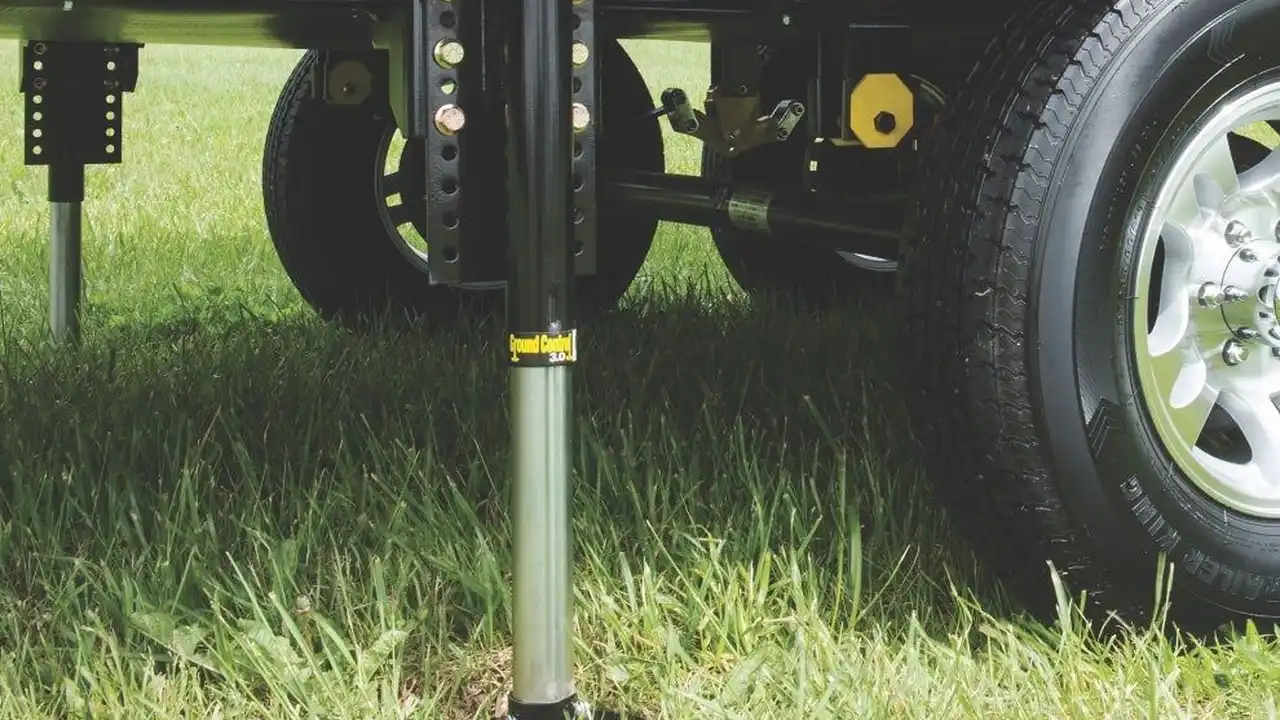
Lippert Components Ground Control 3.0: This is a popular and well-regarded automatic leveling system that uses hydraulic jacks. It's known for its reliability, ease of use, and accurate leveling performance. It also features a one-touch auto-level function.
Equalizer Systems Automatic Leveling: Equalizer Systems offers a range of automatic leveling systems for various RV types. Their systems are known for their robust construction and precise leveling capabilities.
Power Gear Leveling Systems: Power Gear offers both hydraulic and electric leveling systems. Their systems are known for their durability and performance, and they offer a variety of features to suit different needs.
Detailed Product Comparisons Weighing the Options
Let's take a closer look at a couple of specific leveling systems and compare their features, pros, and cons.
Lippert Ground Control 3.0 vs. Equalizer Systems Automatic Leveling
Lippert Ground Control 3.0:
- Type: Hydraulic
- Features: One-touch auto-level, automatic hitch height adjustment, LCD control panel
- Pros: Reliable, easy to use, accurate leveling, automatic hitch height adjustment
- Cons: More expensive, requires hydraulic fluid maintenance
- Typical Price: $3,000 - $5,000 (installed)
Equalizer Systems Automatic Leveling:
- Type: Hydraulic
- Features: Automatic leveling, manual override, heavy-duty construction
- Pros: Robust construction, precise leveling, manual override for challenging situations
- Cons: Can be more complex to install, may require professional installation
- Typical Price: $3,500 - $6,000 (installed)
Key Differences: The Lippert Ground Control 3.0 offers a more user-friendly interface and automatic hitch height adjustment, while the Equalizer Systems system is known for its robust construction and manual override capabilities. The best choice depends on your individual needs and preferences.
Andersen Levelers vs. Camco Leveling Blocks
Andersen Levelers:
- Type: Manual Ramp
- Features: Smooth, gradual leveling, lightweight, compact
- Pros: Easy to use, lightweight, compact, provides a smooth leveling experience
- Cons: Not suitable for very uneven terrain, may require multiple attempts to achieve perfect level
- Typical Price: $50 - $80
Camco Leveling Blocks:
- Type: Manual Blocks
- Features: Durable, affordable, stackable
- Pros: Affordable, durable, versatile, stackable for various heights
- Cons: Requires more manual labor, can be time-consuming, may require multiple attempts to achieve perfect level
- Typical Price: $20 - $50
Key Differences: Andersen Levelers offer a smoother and more gradual leveling experience, while Camco Leveling Blocks are more affordable and versatile. If you prioritize ease of use and a smooth leveling experience, Andersen Levelers are a good choice. If you're on a budget and need a versatile leveling solution, Camco Leveling Blocks are a great option.
Installation Considerations Professional vs. DIY
Once you've chosen your leveling system, you'll need to install it. You have two main options: professional installation or DIY installation. Let's weigh the pros and cons of each.
Professional Installation Peace of Mind and Expertise
Professional installation ensures that your leveling system is installed correctly and safely. A qualified technician will have the experience and tools necessary to handle the installation process efficiently and effectively. This is particularly important for automatic leveling systems, which involve complex wiring and hydraulic or electrical components.
Pros:
- Ensures proper installation
- Reduces the risk of damage to your RV
- Saves you time and effort
- Provides peace of mind
Cons:
- More expensive
- Requires scheduling an appointment
- May need to leave your RV at the repair shop
DIY Installation Saving Money and Learning New Skills
DIY installation can save you money on labor costs and give you a sense of accomplishment. However, it requires a certain level of mechanical aptitude and a willingness to learn. Before attempting a DIY installation, carefully review the manufacturer's instructions and make sure you have the necessary tools and equipment.
Pros:
- Saves money on labor costs
- Allows you to learn new skills
- Gives you a sense of accomplishment
Cons:
- Requires mechanical aptitude
- Can be time-consuming
- Increases the risk of damage to your RV
- May void the warranty if not installed correctly
Recommendation: If you're comfortable working with tools and have some mechanical experience, you can attempt a DIY installation of a manual leveling system. However, for automatic leveling systems, I highly recommend professional installation to ensure proper functionality and safety.
Troubleshooting Common RV Leveling System Problems
Even with the best leveling system, you may occasionally encounter problems. Here are some common issues and potential solutions.
Manual Leveling System Issues
- Difficulty achieving perfect level: Try repositioning the leveling blocks or ramps. Use a level to check your progress frequently.
- Leveling blocks slipping: Use wheel chocks to secure your RV and prevent the leveling blocks from slipping.
- Leveling blocks sinking into soft ground: Place plywood or other sturdy material under the leveling blocks to distribute the weight.
Automatic Leveling System Issues
- System not leveling: Check the power supply and fuses. Make sure the system is properly calibrated.
- Jacks not extending or retracting: Check the hydraulic fluid level (for hydraulic systems) or the electric motor (for electric systems).
- Error codes: Consult the manufacturer's manual for troubleshooting information.
When in doubt, consult a qualified RV technician.
Maintaining Your RV Leveling System Ensuring Longevity
Proper maintenance is essential for extending the life of your RV leveling system. Here are some tips to keep your system in good working order.
Manual Leveling System Maintenance
- Clean leveling blocks and ramps regularly: Remove dirt, mud, and debris to prevent damage.
- Inspect for cracks or damage: Replace any damaged components immediately.
- Store leveling blocks and ramps properly: Protect them from the elements to prevent deterioration.
Automatic Leveling System Maintenance
- Check hydraulic fluid level regularly (for hydraulic systems): Add fluid as needed.
- Lubricate jacks and moving parts: Use a silicone-based lubricant to prevent corrosion and ensure smooth operation.
- Inspect wiring and connections: Look for loose or damaged wires.
- Clean jacks regularly: Remove dirt, mud, and debris.
- Follow the manufacturer's recommended maintenance schedule.
RV Leveling System Pricing and Where to Buy
As we've discussed, the price of an RV leveling system can vary widely depending on the type, brand, and features. Here's a general overview of pricing:
- Manual Leveling Systems: $20 - $100
- Electric Leveling Systems: $2,000 - $5,000 (installed)
- Hydraulic Leveling Systems: $3,000 - $8,000 (installed)
You can purchase RV leveling systems from a variety of sources, including:
- RV Dealers: Your local RV dealer is a good place to start. They can provide expert advice and installation services.
- Camping Supply Stores: Camping World, Cabela's, and other camping supply stores offer a wide selection of leveling systems.
- Online Retailers: Amazon, eBay, and other online retailers offer competitive prices and a wide variety of options.
Before making a purchase, be sure to compare prices and read reviews.
The Future of RV Leveling Systems Innovations on the Horizon
The RV industry is constantly evolving, and RV leveling systems are no exception. Here are some of the innovations we can expect to see in the future:
- Smarter Systems: Leveling systems that use sensors and artificial intelligence to automatically level your RV with even greater accuracy and efficiency.
- Lighter Materials: Leveling systems made from lighter and stronger materials to reduce weight and improve fuel efficiency.
- Wireless Control: Leveling systems that can be controlled remotely via smartphone or tablet.
- Integrated Systems: Leveling systems that are integrated with other RV systems, such as suspension and stabilization.
These innovations will make RV leveling even easier, more convenient, and more reliable.
RV Leveling Systems and Safety Important Considerations
Safety should always be your top priority when using RV leveling systems. Here are some important safety considerations:
- Always use wheel chocks after leveling your RV.
- Never work under your RV while it is supported only by leveling jacks. Use jack stands for added safety.
- Inspect your leveling system regularly for damage.
- Follow the manufacturer's instructions carefully.
By following these safety guidelines, you can ensure a safe and enjoyable RV experience.
RV Leveling Systems and Fuel Efficiency Minimizing Impact
While RV leveling systems primarily focus on stability and comfort, it's worth considering their impact on fuel efficiency. Adding weight to your RV can reduce fuel economy, so it's important to choose a leveling system that is as lightweight as possible. Also, ensure your tires are properly inflated, as this can significantly impact fuel efficiency. Proper leveling can also contribute to even weight distribution, which can indirectly improve fuel economy.
RV Leveling Systems and Resale Value Investing Wisely
Adding an automatic leveling system can increase the resale value of your RV. It's a desirable feature that many buyers are willing to pay extra for. When choosing a leveling system, consider the reputation of the brand and the quality of the components. A well-maintained and reliable leveling system can be a selling point when you decide to upgrade your RV.
RV Leveling Systems and Community Sharing Experiences
One of the best resources for learning about RV leveling systems is the RV community. Talk to other RVers, read online forums, and watch YouTube videos to gather information and learn from their experiences. You can find valuable insights and tips that will help you choose the right leveling system for your needs and troubleshoot any problems you may encounter.
RV Leveling Systems and Accessibility Considerations
For RVers with mobility issues, an automatic leveling system can be a game-changer. It eliminates the need for manual labor and allows you to quickly and easily level your RV, making your camping experience more accessible and enjoyable. Consider features like remote control operation and easy-to-read control panels to further enhance accessibility.
RV Leveling Systems and Environmental Impact Responsible Practices
When using RV leveling systems, be mindful of the environmental impact. Avoid damaging the surrounding vegetation or disturbing wildlife. Use leveling blocks or pads to protect the ground from damage. Dispose of hydraulic fluid properly. By practicing responsible RVing, you can help preserve the environment for future generations.
:max_bytes(150000):strip_icc()/277019-baked-pork-chops-with-cream-of-mushroom-soup-DDMFS-beauty-4x3-BG-7505-5762b731cf30447d9cbbbbbf387beafa.jpg)