RV Water Heaters: Instant Hot Water on Demand
Understanding RV Water Heaters A Comprehensive Guide
So, you're hitting the road in your RV, ready for adventure. But let's be honest, a cold shower after a long day of hiking or exploring isn't exactly the kind of adventure you're looking for. That's where a reliable RV water heater comes in. But with so many options available, choosing the right one can feel overwhelming. This guide will break down everything you need to know about RV water heaters, from types and features to installation and maintenance.
Types of RV Water Heaters Choosing the Right Fit
There are primarily two main types of RV water heaters: tank and tankless (also known as on-demand). Let's dive into the pros and cons of each to help you determine which is best for your needs.
Tank RV Water Heaters The Traditional Choice
Tank water heaters are the more traditional option, and they're still widely used in RVs. They work by heating a set amount of water in a storage tank, typically ranging from 6 to 10 gallons. Once the water reaches the set temperature, it's ready for use.
Pros of Tank RV Water Heaters
- Lower Initial Cost: Tank heaters are generally less expensive to purchase than tankless models.
- Simple Installation: Installation is typically straightforward, especially if you're replacing an existing tank heater.
- Less Power Consumption: They don't require as much power to operate as tankless heaters, making them suitable for RVs with limited electrical capacity.
Cons of Tank RV Water Heaters
- Limited Hot Water Supply: Once the tank is empty, you'll have to wait for it to refill and reheat, which can be inconvenient for longer showers or multiple users.
- Takes Up Space: The tank itself takes up valuable space in your RV.
- Energy Waste: Even when you're not using hot water, the heater continues to use energy to maintain the water temperature in the tank.
- Potential for Freezing: In cold climates, you need to take precautions to prevent the tank from freezing and potentially bursting.
Tankless RV Water Heaters Instant and Endless Hot Water
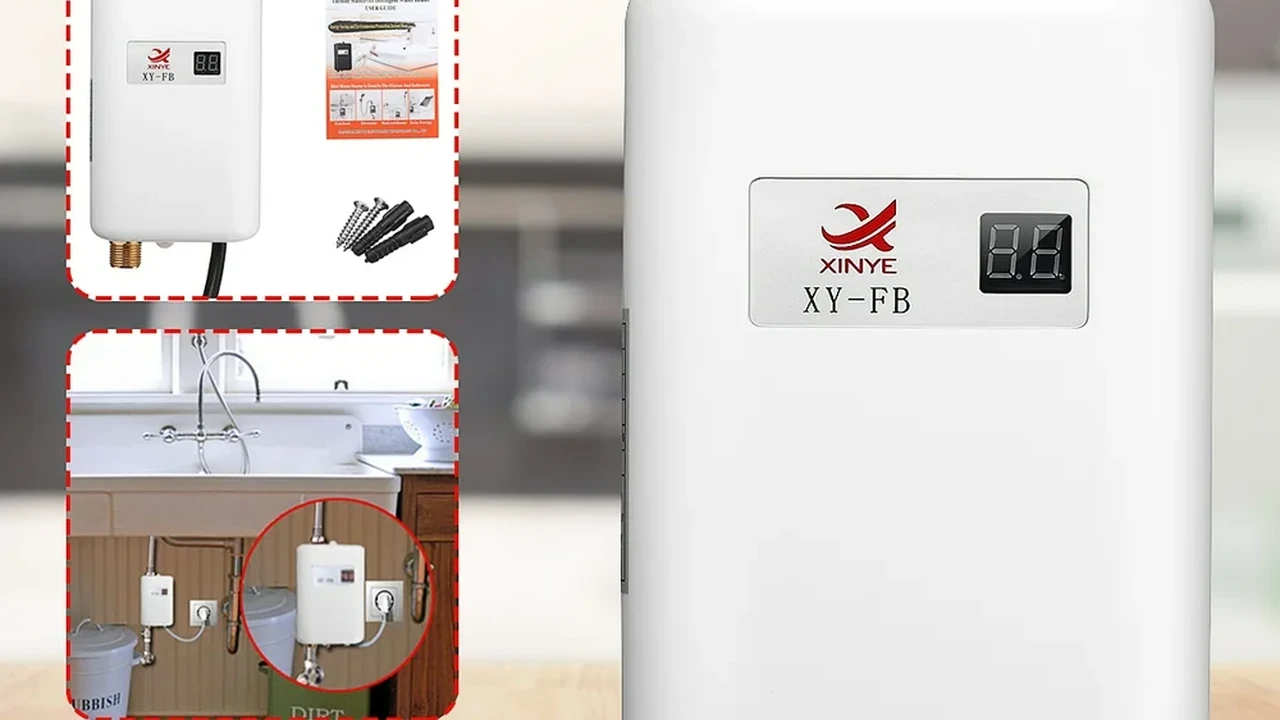
Tankless water heaters, also known as on-demand heaters, heat water only when you need it. This means you can enjoy a continuous supply of hot water without worrying about running out.
Pros of Tankless RV Water Heaters
- Endless Hot Water: Enjoy unlimited hot water on demand, perfect for longer showers or multiple users.
- Energy Efficiency: Tankless heaters only use energy when you're actively using hot water, saving energy compared to tank heaters.
- Space Saving: They are typically more compact than tank heaters, freeing up valuable space in your RV.
- Reduced Risk of Freezing: Many tankless models have built-in freeze protection, minimizing the risk of damage in cold weather.
Cons of Tankless RV Water Heaters
- Higher Initial Cost: Tankless heaters are generally more expensive to purchase than tank heaters.
- More Complex Installation: Installation can be more complex, potentially requiring professional assistance.
- Higher Power Consumption: They require a significant amount of power to heat water on demand, which may strain your RV's electrical system.
- Potential for Cold Water Sandwich: Some users experience a brief burst of cold water before the hot water starts flowing, known as the "cold water sandwich."
RV Water Heater Fuel Sources Propane vs Electric vs Hybrid
Beyond the type of water heater, you also need to consider the fuel source. RV water heaters typically run on propane, electricity, or a combination of both (hybrid).
Propane RV Water Heaters A Common and Reliable Choice
Propane water heaters are a popular choice for RVs because propane is readily available at most campgrounds and RV parks. They heat water quickly and efficiently.
Advantages of Propane RV Water Heaters
- Fast Heating: Propane heaters heat water quickly, allowing you to enjoy hot water sooner.
- Off-Grid Capability: They can operate independently of an electrical hookup, making them ideal for boondocking or camping in remote locations.
- Wide Availability: Propane is widely available at most campgrounds and RV parks.
Disadvantages of Propane RV Water Heaters
- Propane Consumption: Using propane for heating water can deplete your propane supply, requiring frequent refills.
- Ventilation Requirements: Propane heaters require proper ventilation to prevent carbon monoxide buildup.
- Potential for Pilot Light Issues: The pilot light can sometimes go out, requiring you to relight it manually.
Electric RV Water Heaters Convenient and Campground Friendly
Electric water heaters are a convenient option when you have access to a reliable electrical hookup. They are generally quieter than propane heaters and don't require ventilation.
Advantages of Electric RV Water Heaters
- Quiet Operation: Electric heaters operate quietly, without the noise of a propane burner.
- No Ventilation Required: They don't require ventilation, simplifying installation.
- Convenient When Hooked Up: They are ideal for campgrounds with electrical hookups.
Disadvantages of Electric RV Water Heaters
- Dependence on Electrical Hookup: They require a reliable electrical hookup, making them unsuitable for boondocking.
- Slower Heating: Electric heaters typically heat water more slowly than propane heaters.
- Higher Electricity Consumption: They can consume a significant amount of electricity, potentially overloading your RV's electrical system.
Hybrid RV Water Heaters The Best of Both Worlds
Hybrid water heaters combine the benefits of both propane and electric heating. They can operate on either fuel source, providing flexibility and convenience.
Advantages of Hybrid RV Water Heaters
- Flexibility: You can choose to operate on propane or electricity, depending on your needs and available resources.
- Faster Heating: You can use both propane and electricity simultaneously for faster heating.
- Backup Option: If one fuel source is unavailable, you can switch to the other.
Disadvantages of Hybrid RV Water Heaters
- Higher Initial Cost: Hybrid heaters are typically more expensive than propane or electric models.
- More Complex System: They have a more complex system, potentially requiring more maintenance.
RV Water Heater Features to Consider Enhancing Your Experience
Beyond the type and fuel source, consider these features when choosing an RV water heater:
RV Water Heater Tank Size Finding the Right Capacity
The tank size determines how much hot water you have available at any given time. Consider the number of people in your RV and your typical hot water usage when selecting a tank size. Common RV water heater tank sizes range from 6 to 10 gallons.
RV Water Heater BTU Rating Understanding Heating Power
The BTU (British Thermal Unit) rating indicates the heating power of the water heater. A higher BTU rating means the heater can heat water more quickly. This is especially important for propane heaters.
RV Water Heater Recovery Rate How Quickly Water Heats
The recovery rate is the amount of time it takes for the water heater to reheat the water in the tank after it has been partially or completely emptied. A faster recovery rate means you'll have hot water available sooner.
RV Water Heater Digital Controls and Displays Modern Convenience
Digital controls and displays allow you to easily monitor and adjust the water heater's temperature and settings. Some models even offer remote control via a smartphone app.
RV Water Heater Overheat Protection Safety First
Overheat protection is a crucial safety feature that automatically shuts off the water heater if it overheats, preventing damage and potential hazards.
RV Water Heater Freeze Protection Protecting Your Investment
Freeze protection is essential for RVers who camp in cold climates. It prevents the water heater from freezing and potentially bursting, causing costly damage.
Recommended RV Water Heaters Top Products on the Market
Here are a few recommended RV water heaters, covering different types and fuel sources:
Suburban 6 Gallon Propane RV Water Heater A Reliable Choice
The Suburban 6 Gallon Propane RV Water Heater is a popular and reliable choice for many RVers. It's known for its durability and efficient heating performance. Expect to pay around $250 - $350.
Key Features of the Suburban 6 Gallon Propane RV Water Heater
- 6-gallon capacity
- Propane powered
- Durable construction
- Automatic thermostat
- Overheat protection
Atwood 6 Gallon Electric/Propane RV Water Heater Versatility at its Finest
The Atwood 6 Gallon Electric/Propane RV Water Heater offers the flexibility of both electric and propane heating. This hybrid design allows you to choose the most convenient fuel source based on your camping situation. Pricing typically ranges from $300 - $450.
Key Features of the Atwood 6 Gallon Electric/Propane RV Water Heater
- 6-gallon capacity
- Electric and propane powered
- Hybrid design for flexibility
- Fast recovery rate
- Automatic thermostat
Girard 2GWH Tankless RV Water Heater Endless Hot Water
The Girard 2GWH Tankless RV Water Heater provides a continuous supply of hot water on demand. Its compact design and energy-efficient operation make it a great choice for RVers who prioritize space and convenience. Expect to pay around $500 - $700.
Key Features of the Girard 2GWH Tankless RV Water Heater
- Tankless design for endless hot water
- Compact and lightweight
- Energy-efficient operation
- Digital temperature control
- Freeze protection
RV Water Heater Installation A Step-by-Step Guide
Installing an RV water heater can be a DIY project for experienced RVers. However, if you're not comfortable working with propane or electrical systems, it's best to hire a qualified technician.
Safety Precautions Before You Begin
Before starting any installation work, disconnect the RV from all power sources (shore power and battery). Shut off the propane supply and ensure the area is well-ventilated.
Step 1 Removing the Old Water Heater
If you're replacing an existing water heater, start by disconnecting the water lines and propane (if applicable). Carefully remove the old water heater from its compartment.
Step 2 Preparing the Installation Area
Clean the installation area and ensure it's free from debris. Check for any damage to the compartment and make any necessary repairs.
Step 3 Installing the New Water Heater
Carefully place the new water heater into the compartment. Connect the water lines, ensuring a tight and leak-free seal. If installing a propane heater, connect the propane line and check for leaks using a soapy water solution.
Step 4 Connecting the Electrical Wiring
Connect the electrical wiring according to the manufacturer's instructions. Ensure all connections are secure and properly insulated.
Step 5 Testing the Water Heater
After completing the installation, turn on the water supply and check for leaks. Turn on the power and propane (if applicable) and test the water heater to ensure it's functioning properly.
RV Water Heater Maintenance Tips Ensuring Longevity
Proper maintenance is essential for extending the life of your RV water heater and ensuring its optimal performance.
RV Water Heater Draining and Flushing Regularly
Drain and flush the water heater tank at least twice a year to remove sediment and mineral buildup. This will improve heating efficiency and prevent corrosion.
RV Water Heater Inspecting the Anode Rod Sacrificial Protection
The anode rod is a sacrificial metal rod that protects the tank from corrosion. Inspect the anode rod annually and replace it when it's significantly corroded.
RV Water Heater Cleaning the Burner Assembly Propane Heaters Only
For propane heaters, clean the burner assembly periodically to remove debris and ensure proper combustion. This will improve heating efficiency and prevent malfunctions.
RV Water Heater Checking for Leaks Regularly
Regularly check the water heater for leaks around the connections and tank. Repair any leaks promptly to prevent water damage.
RV Water Heater Winterizing Properly Preventing Freezing
If you're storing your RV for the winter, properly winterize the water heater to prevent freezing. This involves draining the tank and using RV antifreeze to protect the plumbing lines.
RV Water Heater Troubleshooting Common Issues and Solutions
Even with proper maintenance, RV water heaters can sometimes experience problems. Here are some common issues and their potential solutions:
No Hot Water Possible Causes and Solutions
If you're not getting any hot water, check the following:
- Power Supply: Ensure the water heater is receiving power. Check the circuit breaker or fuse.
- Propane Supply: If using propane, make sure the propane tank is full and the valve is open.
- Thermostat: Check the thermostat setting and ensure it's set to the desired temperature.
- Pilot Light: For propane heaters, check if the pilot light is lit. If not, relight it according to the manufacturer's instructions.
- Heating Element: If using electric, the heating element may be faulty and need replacement.
Water Not Hot Enough Possible Causes and Solutions
If the water is not hot enough, check the following:
- Thermostat: Adjust the thermostat setting to a higher temperature.
- Sediment Buildup: Flush the water heater tank to remove sediment buildup, which can reduce heating efficiency.
- Heating Element: If using electric, the heating element may be weak and need replacement.
- Mixing Valve: Some RVs have a mixing valve that blends hot and cold water. Ensure the valve is properly adjusted.
Leaking Water Possible Causes and Solutions
If you notice water leaking from the water heater, check the following:
- Connections: Check the water line connections and tighten them if necessary.
- Pressure Relief Valve: The pressure relief valve may be leaking due to excessive pressure. Try opening and closing the valve to release pressure. If the leaking persists, the valve may need replacement.
- Tank Damage: If the tank is damaged, it may need to be replaced.
Smelly Water Possible Causes and Solutions
If the water has a foul odor, it's likely due to bacteria growth in the tank. Sanitize the water heater by flushing it with a solution of bleach and water. Follow the manufacturer's instructions for sanitizing the tank.
RV Water Heater Safety Essential Considerations
RV water heaters use propane or electricity, both of which can be dangerous if not handled properly. Always follow these safety precautions:
Carbon Monoxide Detectors Absolutely Necessary
Install and maintain a carbon monoxide detector in your RV. Carbon monoxide is a colorless, odorless gas that can be deadly. Test the detector regularly to ensure it's functioning properly.
Propane Leak Detection Regular Checks
Regularly check for propane leaks using a soapy water solution. If you smell propane, immediately shut off the propane supply and ventilate the area.
Professional Inspections Recommended
Have your RV's propane and electrical systems inspected by a qualified technician annually. This will help identify and address potential safety hazards.
RV Water Heater Upgrades Enhancing Your System
Consider these upgrades to enhance your RV water heater system:
RV Water Heater Digital Thermostat Precise Control
Upgrade to a digital thermostat for more precise temperature control and energy savings.
RV Water Heater Tankless Conversion Endless Hot Water Upgrade
Consider converting to a tankless water heater for endless hot water and space savings. This can be a significant investment but offers long-term benefits.
RV Water Heater Water Filtration System Cleaner Water
Install a water filtration system to remove sediment and contaminants from the water, improving the taste and quality of your hot water.
RV Water Heater Costs Budgeting for Your Needs
The cost of an RV water heater can vary depending on the type, fuel source, features, and installation costs.
RV Water Heater Purchase Price Range
Expect to pay anywhere from $200 to $800 for a new RV water heater. Tank heaters are generally less expensive than tankless models.
RV Water Heater Installation Costs Professional vs DIY
Installation costs can range from $100 to $500, depending on the complexity of the installation and whether you hire a professional.
RV Water Heater Maintenance Costs Budgeting Annually
Budget for annual maintenance costs, including anode rod replacement, flushing, and cleaning. These costs can range from $50 to $100 per year.
RV Water Heater The Future of Hot Water On the Road
RV water heater technology continues to evolve, with new innovations focused on energy efficiency, convenience, and safety. As more RVers embrace boondocking and off-grid camping, expect to see more emphasis on solar-powered and hybrid water heating systems.
Choosing the Right RV Water Heater Your Personalized Guide
Selecting the right RV water heater depends on your individual needs and preferences. Consider your camping style, hot water usage, budget, and available resources when making your decision. With the right water heater, you can enjoy comfortable and convenient hot water on all your RV adventures.
:max_bytes(150000):strip_icc()/277019-baked-pork-chops-with-cream-of-mushroom-soup-DDMFS-beauty-4x3-BG-7505-5762b731cf30447d9cbbbbbf387beafa.jpg)