RV Winter Camping: Cozy Escapes
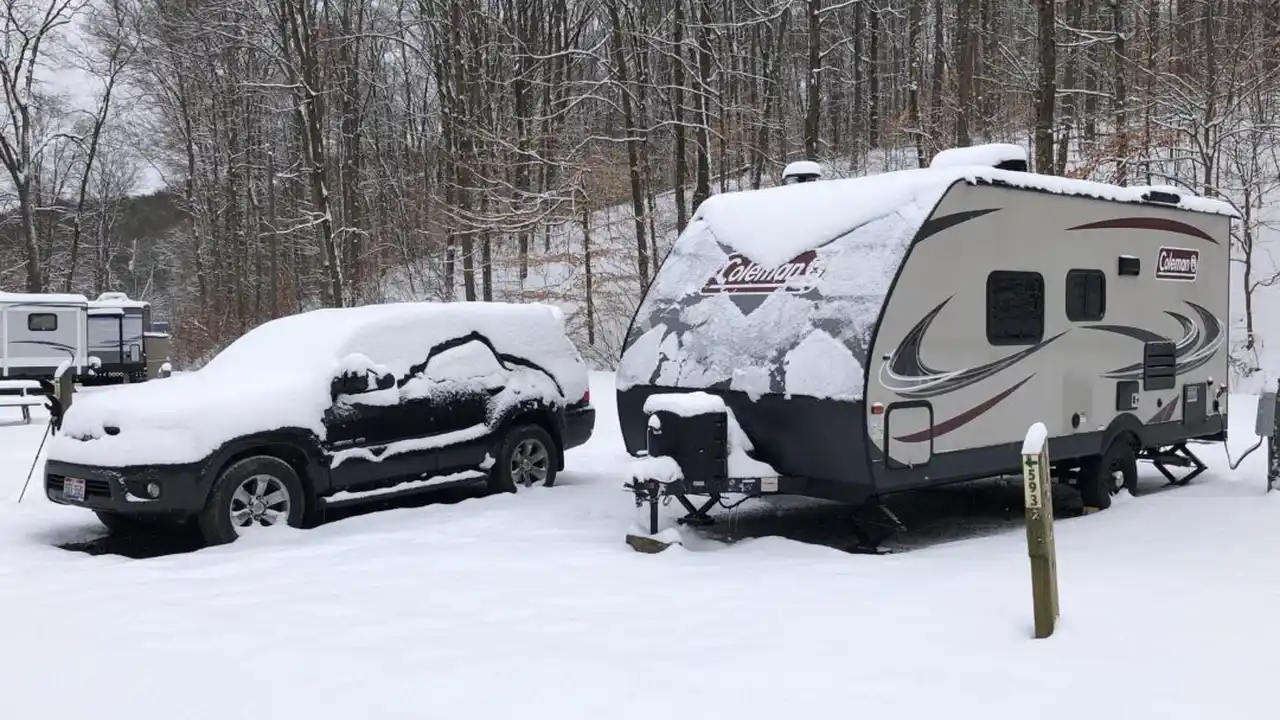
RV Winter Camping Cozy Escapes Eleventh Article
Alright fellow RV enthusiasts buckle up because we're diving deep into the world of RV travel destinations specifically focusing on article number eleven in our RV Winter Camping Cozy Escapes series. This isn't just a blog post; it's a comprehensive guide packed with product recommendations real-world use cases and detailed comparisons to help you make the most of your winter RV adventures. We're talking over 3000 words of pure RVing goodness so grab a mug of hot cocoa and let's get started.
Understanding the Allure of RV Winter Camping
Why winter camping you might ask? While many see winter as a time to hibernate the RV community knows better. Winter offers unique opportunities for solitude stunning landscapes and often fewer crowds. Imagine waking up to a snow-covered forest the crisp air invigorating your senses. Or perhaps you prefer the warmth of the desert sun while everyone else is bundled up indoors. Winter RVing allows you to escape the ordinary and embrace the extraordinary.
Essential Gear for Winter RV Camping Success
Before you hit the road it's crucial to ensure your RV is properly equipped for winter conditions. This isn't just about comfort; it's about safety and preventing costly damage to your rig. Let's break down some essential gear:
RV Skirting: Blocking the Cold and Wind
RV skirting is a vital component for winter camping. It creates a barrier between the bottom of your RV and the ground preventing cold air and wind from entering. This helps maintain a more consistent temperature inside your RV reducing the strain on your heating system.
Product Recommendation: Consider the ADCO Designer Series RV Skirt. It's durable weather-resistant and comes in various sizes to fit most RVs. It's made from a heavy-duty vinyl material that can withstand harsh winter conditions.
Use Case: Imagine camping in a snowy mountain pass. Without skirting the wind whips underneath your RV rapidly cooling the underbelly and potentially freezing pipes. With skirting in place you create a protected zone minimizing heat loss and preventing frozen pipes.
Product Comparison: While the ADCO skirt is a great option other brands like Camco and Classic Accessories offer similar products. The ADCO skirt often comes at a slightly higher price point but the increased durability and quality justify the investment for many. Camco skirts are generally more affordable but may not be as resistant to tearing in extreme weather.
Detailed Information: The ADCO Designer Series RV Skirt typically retails between $200 and $500 depending on the size. It's available in various colors and patterns to match your RV's aesthetic. Installation usually involves attaching the skirt to the RV's frame using snaps or Velcro.
Heated Water Hoses: Preventing Frozen Pipes
Frozen water pipes are a common and potentially devastating problem for winter RVers. A heated water hose prevents your water supply from freezing ensuring you have access to running water throughout your trip.
Product Recommendation: The Camco Heated Drinking Water Hose is a popular choice. It's thermostatically controlled to prevent overheating and is safe for potable water.
Use Case: Picture yourself camping in sub-freezing temperatures. Without a heated hose your water line could freeze solid cutting off your water supply and potentially causing the pipes to burst. A heated hose ensures a continuous flow of water even in the coldest conditions.
Product Comparison: Alternatives include the Pirit Heated Water Hose and the Valterra Heated Fresh Water Hose. The Camco hose is often praised for its reliability and ease of use. The Pirit hose tends to be more expensive but boasts a more robust heating element. The Valterra hose is a mid-range option offering a balance of price and performance.
Detailed Information: The Camco Heated Drinking Water Hose typically costs between $80 and $150 depending on the length. It's available in various lengths from 12 feet to 50 feet. The hose is designed to be plugged into a standard 120V outlet.
Propane Heaters: Staying Warm and Cozy
While your RV's furnace is a primary source of heat a portable propane heater can provide supplemental warmth especially in smaller spaces or during power outages.
Product Recommendation: The Mr Heater Buddy Portable Propane Heater is a widely used and reliable option. It's safe for indoor use and features an automatic shut-off if tipped over or if carbon monoxide levels become too high.
Use Case: Imagine a chilly evening in your RV. Your furnace is working hard but you're still feeling a bit cold. The Mr Heater Buddy can provide a quick and efficient boost of heat warming up the space in minutes.
Product Comparison: Other options include the Texsport Portable Propane Heater and the Camp Chef Big Buddy Heater. The Mr Heater Buddy is a good balance of size, power, and safety features. The Texsport heater is more compact and affordable but may not be as powerful. The Camp Chef Big Buddy Heater offers more BTU output for larger RVs.
Detailed Information: The Mr Heater Buddy Portable Propane Heater typically retails for around $80 to $120. It uses standard 1 lb propane cylinders or can be connected to a larger propane tank with an optional adapter. It's important to ensure proper ventilation when using any propane heater indoors.
Insulated Windows and Vents: Reducing Heat Loss
RV windows and vents can be significant sources of heat loss in the winter. Insulating them helps to retain heat and reduce energy consumption.
Product Recommendation: Consider using Reflectix Insulation to cover your windows and vents. It's easy to cut to size and provides excellent insulation.
Use Case: Think about sitting near a window on a cold day. You can feel the cold radiating through the glass. Applying Reflectix insulation to the window creates a barrier reducing heat loss and making the space feel warmer.
Product Comparison: Alternatives include foam insulation boards and insulated window covers. Reflectix is lightweight and easy to install making it a popular choice. Foam insulation boards offer more insulation but can be more difficult to cut and fit. Insulated window covers are a more convenient option but may not be as effective as Reflectix.
Detailed Information: Reflectix Insulation is available at most hardware stores and typically costs around $1 to $2 per square foot. It can be cut to size using scissors or a utility knife and attached to windows using tape or Velcro.
Tire Chains: Ensuring Traction on Snowy Roads
If you plan on traveling in areas with snow or ice tire chains are essential for maintaining traction and control.
Product Recommendation: The Security Chain Company Super Z6 Cable Tire Chains are a popular choice for RVs. They are relatively easy to install and provide good traction on snow and ice.
Use Case: Imagine driving on a snowy mountain road. Without tire chains your RV could easily lose traction and slide potentially leading to an accident. Tire chains provide the grip you need to navigate challenging winter conditions safely.
Product Comparison: Other options include traditional link chains and cable chains from other manufacturers. Cable chains are generally easier to install and provide a smoother ride than traditional link chains. However, traditional link chains may offer better traction in deep snow and ice.
Detailed Information: The Security Chain Company Super Z6 Cable Tire Chains typically cost between $80 and $200 depending on the tire size. It's important to choose the correct size chains for your RV's tires. Practice installing the chains before you need them in an emergency.
Choosing the Right RV Winter Camping Destination
Not all RV parks and campgrounds are created equal when it comes to winter camping. It's important to choose a destination that offers the amenities and services you need to stay comfortable and safe.
Southern Warm Weather Escapes
For those seeking warmer climates the southern states offer a variety of RV parks and campgrounds with mild temperatures and plenty of sunshine. Popular destinations include Florida Arizona and California.
Florida RV Parks: Sunshine and Beaches
Florida boasts numerous RV parks along its coastline offering stunning beaches and a relaxed atmosphere. Many parks offer amenities such as swimming pools hot tubs and organized activities.
Example: Bluewater Key RV Resort in Key West is a luxury RV resort with private docks waterfront sites and a range of amenities.
Arizona Desert Camping: Stargazing and Hiking
Arizona's desert landscapes provide a unique winter camping experience with clear skies stunning sunsets and opportunities for hiking and exploring. Many RV parks are located near popular attractions such as the Grand Canyon and Sedona.
Example: Desert Shadows RV Resort in Phoenix offers spacious sites a heated pool and spa and organized activities.
California Coastal Camping: Ocean Views and Redwood Forests
California's diverse landscapes offer a variety of winter camping options from coastal RV parks with ocean views to campgrounds nestled among redwood forests. The weather is generally mild and sunny making it a popular destination for winter RVers.
Example: Pismo Coast Village RV Resort in Pismo Beach offers beachfront camping with direct access to the beach and a range of amenities.
Mountain Winter Wonderland RVing
For those who enjoy snow and winter activities mountain destinations offer opportunities for skiing snowboarding and snowshoeing. Be sure to choose an RV park that is equipped for winter conditions with snow removal services and heated facilities.
Colorado Rocky Mountain High
Colorado is a premier destination for winter sports and RVing with numerous RV parks located near ski resorts and offering stunning mountain views. Be prepared for cold temperatures and snowy conditions.
Example: Tiger Run Resort near Breckenridge offers luxurious RV sites with heated patios and access to world-class skiing.
Utah's Mighty Five and Winter Activities
Utah's national parks offer breathtaking scenery and opportunities for winter hiking and snowshoeing. Many RV parks are located near these parks providing easy access to outdoor adventures.
Example: Zion River Resort RV Park & Campground near Zion National Park offers comfortable RV sites and a range of amenities.
Montana's Big Sky Country in Winter
Montana's vast landscapes and abundant wildlife make it a unique winter RVing destination. Be prepared for extremely cold temperatures and snowy conditions. Some RV parks may be closed during the winter months so it's important to check availability in advance.
Example: West Yellowstone Holiday Inn RV Park near Yellowstone National Park offers convenient access to the park's winter attractions.
Preparing Your RV for Sub-Freezing Temperatures
Beyond the essential gear it's crucial to take specific steps to prepare your RV for sub-freezing temperatures. This will help prevent damage and ensure your comfort throughout your trip.
Water System Winterization: Protecting Your Pipes
The most important step in winterizing your RV is protecting the water system from freezing. This involves draining all water lines and adding RV antifreeze.
- Drain all water from the fresh water tank and water heater.
- Bypass the water heater.
- Install a water pump converter kit or use the water pump's winterizing inlet.
- Pour RV antifreeze into the fresh water tank and pump it through all the water lines until it comes out pink.
- Pour RV antifreeze into all the drains including the shower sink and toilet.
Battery Maintenance: Keeping the Power On
Cold temperatures can significantly reduce battery performance. It's important to keep your batteries charged and insulated.
- Check the battery terminals for corrosion and clean them as needed.
- Consider using a battery warmer to keep the batteries warm in cold temperatures.
- Monitor the battery voltage regularly and charge them as needed.
Roof Inspection and Maintenance: Preventing Leaks
Winter weather can be harsh on your RV's roof. Inspect the roof for any signs of damage and make any necessary repairs before your trip.
- Check the roof seams and seals for cracks or leaks.
- Apply a sealant to any areas that need it.
- Clear any snow or ice buildup from the roof to prevent damage.
Tire Pressure Monitoring: Ensuring Safe Travel
Cold temperatures can affect tire pressure. Check your tire pressure regularly and adjust it as needed.
- Check the tire pressure before each trip and adjust it to the recommended level.
- Use a tire pressure monitoring system (TPMS) to monitor tire pressure in real time.
Tips and Tricks for Cozy Winter RV Camping
Beyond the essential gear and preparation there are several tips and tricks that can make your winter RV camping experience more comfortable and enjoyable.
Layering Clothing: Staying Warm and Comfortable
Layering clothing is the best way to stay warm and comfortable in cold weather. Start with a base layer of moisture-wicking fabric followed by an insulating layer and a waterproof outer layer.
Using a Humidifier: Preventing Dry Air
RV furnaces can dry out the air inside your RV. Using a humidifier can help to maintain a comfortable humidity level.
Cooking Warm Comfort Food: Enjoying Hearty Meals
Cooking warm comfort food is a great way to enjoy your winter RV camping trip. Soups stews and chili are all great options.
Playing Board Games and Reading Books: Relaxing Indoors
When the weather is bad playing board games and reading books are great ways to relax indoors and enjoy your time.
Embracing the Quiet and Solitude: Connecting with Nature
Winter RV camping offers a unique opportunity to connect with nature and enjoy the quiet and solitude of the outdoors.
Planning for Potential Winter RV Camping Challenges
While winter RV camping can be a rewarding experience it's important to be prepared for potential challenges.
Dealing with Frozen Pipes: Thawing and Prevention
If your pipes do freeze there are several ways to thaw them. You can use a hair dryer a heat gun or a space heater. Be careful not to overheat the pipes as this could cause them to burst.
Handling Snow and Ice: Safe Driving and Walking
Driving on snow and ice can be dangerous. Drive slowly and cautiously and avoid sudden stops or turns. Wear appropriate footwear when walking on snow and ice.
Managing Power Consumption: Conserving Energy
Winter RV camping can require more power than camping in warmer months. Conserve energy by using energy-efficient appliances and turning off lights when not in use.
Staying Connected: Communication and Weather Updates
Stay connected with family and friends and monitor weather updates. Cell phone service may be limited in some areas so consider using a satellite phone or a Wi-Fi hotspot.
So there you have it a deep dive into RV winter camping cozy escapes article number eleven. Remember preparation is key. Equip your RV with the right gear choose the right destination and be prepared for potential challenges. With a little planning you can enjoy a memorable and rewarding winter RV adventure. Happy camping!
:max_bytes(150000):strip_icc()/277019-baked-pork-chops-with-cream-of-mushroom-soup-DDMFS-beauty-4x3-BG-7505-5762b731cf30447d9cbbbbbf387beafa.jpg)