RV Suspension Maintenance: Ensuring a Smooth Ride
RV Suspension Systems An Introduction
Let's dive into the heart of your RV's smooth ride: the suspension system. It's not just about comfort; it's about safety, handling, and the longevity of your RV. Think of it as the unsung hero, tirelessly absorbing bumps and vibrations so you don't have to. But what exactly makes up this crucial system?
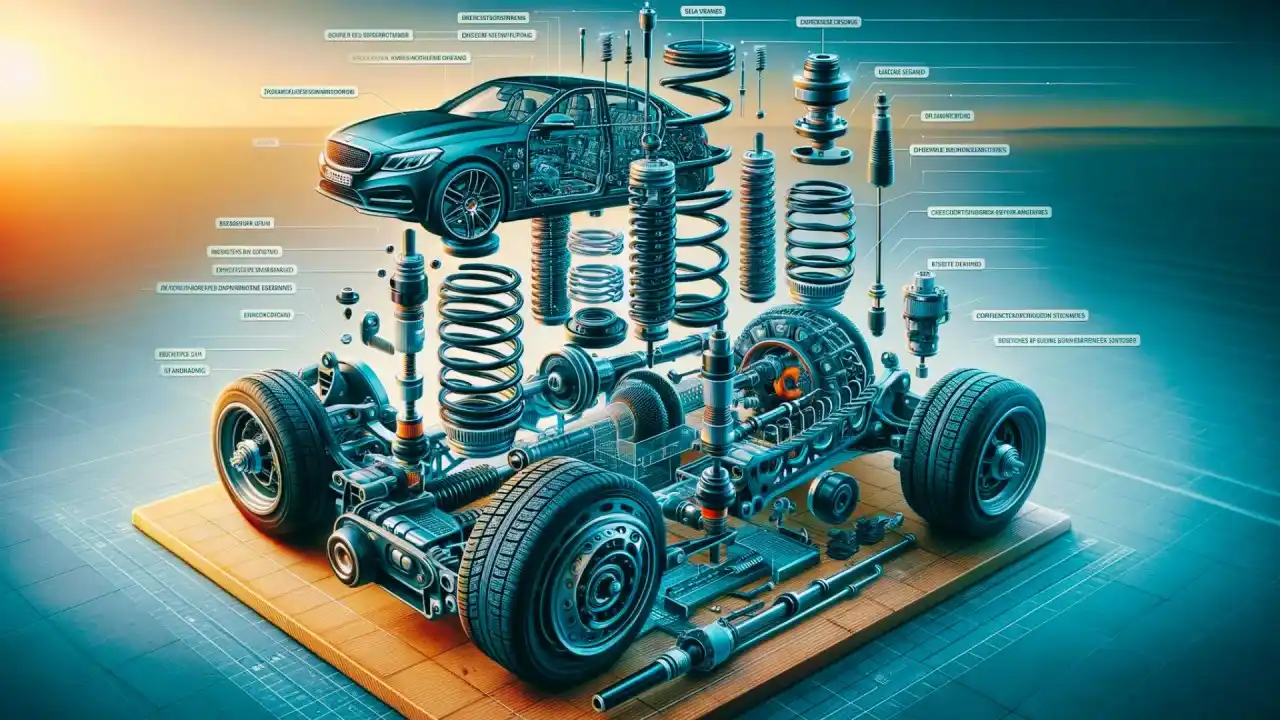
Typically, an RV suspension system includes several key components:
* **Springs (Leaf or Coil):** These are the primary shock absorbers, supporting the weight of the RV and allowing the wheels to move up and down. Leaf springs are common in older and heavier RVs, while coil springs are often found in newer models and offer a smoother ride. * **Shock Absorbers (Dampers):** These control the movement of the springs, preventing excessive bouncing and ensuring stability. They work by converting kinetic energy into heat. * **Axles:** These are the central shafts that connect the wheels and support the weight of the RV. They transfer power from the engine to the wheels (in motorized RVs) and provide a mounting point for the suspension components. * **Bushings:** These are rubber or polyurethane components that cushion the connection points between suspension parts, reducing noise and vibration. * **Control Arms (A-Arms):** These connect the wheels to the RV's frame and allow for controlled movement of the suspension. * **Sway Bars (Anti-Roll Bars):** These reduce body roll during turns, improving handling and stability.Understanding these components is the first step in appreciating the importance of RV suspension maintenance. Each part plays a vital role, and neglecting any of them can lead to a bumpy ride, poor handling, and even safety hazards.
Why RV Suspension Maintenance is Crucial for a Safe and Comfortable Journey
Why should you even bother with RV suspension maintenance? Well, imagine driving down the highway, every bump and pothole jarring you and your RV's contents. Not exactly a relaxing vacation, right? But the benefits go far beyond just comfort.
* **Improved Ride Comfort:** This is the most obvious benefit. A well-maintained suspension system absorbs bumps and vibrations, providing a smoother and more comfortable ride for you and your passengers. * **Enhanced Handling and Stability:** A properly functioning suspension system improves handling and stability, especially during turns and emergency maneuvers. This can be the difference between a safe trip and a dangerous situation. * **Increased Safety:** Poor suspension can lead to reduced braking performance, increased risk of rollovers, and other safety hazards. Regular maintenance helps ensure your RV is safe to drive. * **Extended Tire Life:** Improperly aligned suspension can cause uneven tire wear, significantly shortening the lifespan of your tires. Regular maintenance can help you save money on tire replacements. * **Reduced Wear and Tear on RV Components:** A rough ride can put stress on other components of your RV, such as appliances, cabinets, and plumbing. A well-maintained suspension system helps protect your entire RV. * **Prevention of Costly Repairs:** Addressing minor suspension issues early on can prevent them from escalating into major, expensive repairs down the road.Ignoring your RV's suspension is like neglecting the foundation of your house. It may seem like a minor issue at first, but it can quickly lead to bigger problems. So, make suspension maintenance a regular part of your RV care routine.
Essential RV Suspension Inspection Checklist A Comprehensive Guide
Before you can maintain your RV suspension, you need to know what to look for. Here's a comprehensive inspection checklist to help you identify potential problems:
* **Visual Inspection:** * **Springs:** Look for cracks, rust, or broken leaves (in leaf springs). Check for sagging or uneven ride height. * **Shock Absorbers:** Inspect for leaks, dents, or damage. Look for signs of excessive bouncing after hitting a bump. * **Bushings:** Check for cracks, wear, or deterioration. Pay close attention to bushings on control arms and sway bars. * **Axles:** Look for signs of damage, bending, or corrosion. Check the axle alignment. * **Tires:** Inspect for uneven wear patterns, which can indicate suspension problems. * **Hardware:** Check all bolts, nuts, and fasteners for tightness and corrosion. * **Bounce Test:** Push down firmly on each corner of your RV and release. The RV should bounce up and down only once or twice before settling. Excessive bouncing indicates worn shock absorbers. * **Road Test:** Pay attention to how your RV rides and handles. Listen for unusual noises, such as squeaks, rattles, or clunks. Note any excessive body roll during turns or bouncing after hitting bumps. * **Professional Inspection:** Consider having a qualified RV technician inspect your suspension system at least once a year. They can identify problems that you might miss and recommend appropriate repairs.By performing regular inspections, you can catch potential problems early and prevent them from becoming major issues. Don't underestimate the power of a thorough visual inspection – it can save you time, money, and headaches in the long run.
RV Shock Absorber Maintenance A Detailed Examination
Shock absorbers are crucial for controlling the movement of your RV's springs and ensuring a smooth ride. But how do you know when they need maintenance or replacement?
* **Signs of Worn Shock Absorbers:** * Excessive bouncing after hitting a bump. * Poor handling and stability, especially during turns. * Increased body roll. * Uneven tire wear. * Fluid leaks from the shock absorber body. * Dented or damaged shock absorber body. * Noisy suspension (squeaks, rattles, or clunks). * **Shock Absorber Maintenance Tips:** * **Regular Inspections:** Check for leaks, damage, and wear during your regular suspension inspections. * **Cleaning:** Keep shock absorbers clean to prevent corrosion and damage. * **Replacement:** Replace shock absorbers in pairs to ensure even performance. * **Upgrade:** Consider upgrading to heavy-duty shock absorbers for improved performance, especially if you frequently tow or carry heavy loads. * **Recommended Shock Absorbers:** * **Bilstein 4600 Series:** A popular choice for RVs, offering excellent performance and durability. (Price range: $100-$150 per shock) * **KYB Gas-a-Just:** A budget-friendly option that provides good performance for lighter RVs. (Price range: $50-$80 per shock) * **Monroe Gas-Magnum:** Designed for heavy-duty applications, offering improved handling and stability for larger RVs. (Price range: $80-$120 per shock) * **Example Use Case:** Imagine you're driving a Class C RV on a bumpy road. The RV is bouncing excessively, making it difficult to control and uncomfortable for passengers. After inspecting the shock absorbers, you notice they are leaking and worn. Replacing them with Bilstein 4600 Series shocks significantly improves the ride quality and handling of the RV. * **Product Comparison:** | Feature | Bilstein 4600 Series | KYB Gas-a-Just | Monroe Gas-Magnum | | ---------------- | ---------------------- | --------------- | ------------------- | | Price | $$$ | $$ | $$$ | | Performance | Excellent | Good | Very Good | | Durability | Excellent | Good | Good | | Vehicle Type | Wide Range | Lighter RVs | Heavy Duty RVs |Choosing the right shock absorbers for your RV depends on your specific needs and budget. Consider the weight of your RV, your driving habits, and the type of terrain you typically travel on.
RV Spring Maintenance Ensuring Proper Load Support
Springs are the backbone of your RV's suspension system, supporting the weight of the RV and absorbing shocks. Whether you have leaf springs or coil springs, proper maintenance is essential.
* **Leaf Spring Maintenance:** * **Inspection:** Look for cracks, rust, or broken leaves. Check for sagging or uneven ride height. * **Lubrication:** Lubricate leaf spring bushings regularly to reduce friction and noise. Use a lithium-based grease. * **Replacement:** Replace broken or damaged leaf springs immediately. * **Adding Leaves:** Consider adding leaves to increase the load capacity of your leaf springs, especially if you frequently carry heavy loads. * **Coil Spring Maintenance:** * **Inspection:** Look for cracks, rust, or sagging. Check for uneven ride height. * **Replacement:** Replace broken or damaged coil springs immediately. * **Spring Spacers:** Consider using spring spacers to increase the ride height of your RV, especially if you have sagging springs. * **Recommended Spring Products:** * **Hellwig Helper Springs:** Add-a-leaf kits that increase the load capacity of your existing leaf springs. (Price range: $200-$400 per kit) * **Timbren Suspension Enhancement System:** Rubber springs that replace the factory bump stops, providing additional support and stability. (Price range: $300-$500 per kit) * **Air Lift Air Springs:** Adjustable air springs that allow you to customize the ride height and load capacity of your RV. (Price range: $500-$1000 per kit) * **Example Use Case:** You own a Class B RV and often carry a lot of gear for outdoor adventures. You notice that the rear suspension is sagging, and the ride quality is poor. Installing a Timbren Suspension Enhancement System provides additional support and improves the ride quality, even when fully loaded. * **Product Comparison:** | Feature | Hellwig Helper Springs | Timbren SES | Air Lift Air Springs | | ---------------- | ----------------------- | ----------- | -------------------- | | Price | $$ | $$$ | $$$$ | | Load Capacity | Increased | Increased | Adjustable | | Ride Quality | Improved | Improved | Customizable | | Installation | Moderate | Easy | Moderate |Choose the spring solution that best fits your needs and budget. Consider the load capacity you require, the ride quality you desire, and your DIY skills.
RV Bushing Maintenance Replacing Worn Components
Bushings are rubber or polyurethane components that cushion the connection points between suspension parts, reducing noise and vibration. Over time, bushings can wear out and need to be replaced.
* **Signs of Worn Bushings:** * Squeaking, rattling, or clunking noises from the suspension. * Loose or sloppy handling. * Excessive vibration. * Visually cracked or deteriorated bushings. * **Bushing Replacement Tips:** * **Identify the Correct Bushing:** Make sure you order the correct bushing for your specific RV and suspension component. * **Use the Right Tools:** You may need a bushing press or other specialized tools to remove and install bushings. * **Lubricate Bushings:** Apply a silicone-based lubricant to new bushings before installation. * **Tighten Hardware:** Tighten all bolts and nuts to the manufacturer's specifications. * **Recommended Bushing Products:** * **Energy Suspension Polyurethane Bushings:** Durable and long-lasting polyurethane bushings that improve handling and performance. (Price range: $10-$30 per bushing) * **Moog Rubber Bushings:** High-quality rubber bushings that provide a comfortable ride and good durability. (Price range: $5-$20 per bushing) * **Example Use Case:** You hear a squeaking noise coming from the front suspension of your Class A RV. After inspecting the control arm bushings, you notice they are cracked and deteriorated. Replacing them with Energy Suspension polyurethane bushings eliminates the squeaking noise and improves the handling of the RV. * **Product Comparison:** | Feature | Energy Suspension Polyurethane | Moog Rubber | | ---------------- | ----------------------------- | ----------- | | Price | $$ | $ | | Durability | Excellent | Good | | Ride Quality | Firmer | Softer | | Performance | Improved | Good |Choosing between rubber and polyurethane bushings depends on your priorities. Polyurethane bushings offer improved durability and performance, but they can result in a firmer ride. Rubber bushings provide a more comfortable ride but may not last as long.
RV Axle Maintenance Ensuring Proper Alignment
The axles are the central shafts that connect the wheels and support the weight of your RV. Proper axle alignment is crucial for safe handling and even tire wear.
* **Signs of Misaligned Axles:** * Uneven tire wear. * Pulling to one side while driving. * Steering wheel not centered. * Excessive vibration. * **Axle Maintenance Tips:** * **Regular Inspections:** Check for signs of damage, bending, or corrosion. * **Axle Alignment:** Have your axles aligned by a qualified technician at least once a year. * **Bearing Maintenance:** Regularly inspect and lubricate your wheel bearings. * **Replacement:** Replace damaged or bent axles immediately. * **Recommended Axle Products:** * **Dexter Axle:** A leading manufacturer of RV axles, offering a wide range of sizes and capacities. (Price varies depending on size and capacity) * **Example Use Case:** You notice that your tires are wearing unevenly, with the inside edges wearing much faster than the outside edges. This is a sign of misaligned axles. Having your axles aligned by a qualified technician corrects the problem and prevents further tire wear.Axle alignment is a complex procedure that requires specialized equipment. It's best left to the professionals.
RV Sway Bar Maintenance Enhancing Stability
Sway bars (also known as anti-roll bars) reduce body roll during turns, improving handling and stability. Maintaining your sway bars is essential for safe driving.
* **Signs of Worn Sway Bar Components:** * Excessive body roll during turns. * Clunking noises from the suspension. * Visually cracked or deteriorated sway bar bushings. * Bent or damaged sway bar. * **Sway Bar Maintenance Tips:** * **Regular Inspections:** Check for signs of damage, bending, or corrosion. * **Bushing Replacement:** Replace worn or cracked sway bar bushings. * **End Link Replacement:** Replace worn or damaged sway bar end links. * **Tighten Hardware:** Tighten all bolts and nuts to the manufacturer's specifications. * **Recommended Sway Bar Products:** * **Roadmaster Sway Bars:** High-performance sway bars that significantly reduce body roll and improve handling. (Price range: $300-$600 per sway bar) * **SuperSteer Sway Bars:** Another popular choice for RVs, offering excellent performance and durability. (Price range: $350-$700 per sway bar) * **Example Use Case:** You own a Class C RV and find that it leans excessively during turns, making it difficult to control. Installing a Roadmaster sway bar significantly reduces body roll and improves the handling of the RV, making it safer and more enjoyable to drive. * **Product Comparison:** | Feature | Roadmaster Sway Bars | SuperSteer Sway Bars | | ---------------- | -------------------- | -------------------- | | Price | $$ | $$$ | | Performance | Excellent | Excellent | | Durability | Excellent | Excellent |Upgrading your sway bars is a great way to improve the handling and stability of your RV, especially if you frequently travel on winding roads.
RV Suspension Alignment A Detailed Guide
Proper suspension alignment is crucial for even tire wear, safe handling, and optimal fuel efficiency. It ensures that all the wheels are pointing in the correct direction relative to each other and the vehicle's frame.
* **Signs of Misalignment:** * Uneven tire wear (e.g., feathering, cupping, or excessive wear on one edge). * Pulling to one side while driving. * Steering wheel not centered when driving straight. * Squealing tires during turns. * Vibration or shaking in the steering wheel. * **Alignment Angles:** * **Camber:** The angle of the wheel relative to the vertical axis. Positive camber means the top of the wheel is tilted outward, while negative camber means the top of the wheel is tilted inward. * **Caster:** The angle of the steering pivot axis relative to the vertical axis. Positive caster means the steering pivot axis is tilted backward, while negative caster means it's tilted forward. * **Toe:** The angle of the wheel relative to the vehicle's centerline. Toe-in means the front of the wheels are closer together than the rear, while toe-out means the front of the wheels are further apart than the rear. * **Alignment Procedure:** * **Inspection:** A qualified technician will inspect the suspension components for wear or damage. * **Measurement:** The technician will use specialized equipment to measure the camber, caster, and toe angles. * **Adjustment:** The technician will adjust the suspension components to bring the alignment angles within the manufacturer's specifications. * **Frequency of Alignment:** * Have your RV's suspension aligned at least once a year, or more frequently if you notice any signs of misalignment. * Get an alignment after any major suspension repairs or modifications. * Get an alignment after hitting a large pothole or curb.Suspension alignment is a precision procedure that requires specialized equipment and expertise. It's best left to qualified technicians.
RV Suspension Maintenance Tools and Equipment Essential Gear
While some suspension maintenance tasks are best left to professionals, there are several tools and equipment you can use to perform basic inspections and maintenance tasks yourself.
* **Essential Tools:** * **Jack and Jack Stands:** For safely lifting and supporting your RV. * **Torque Wrench:** For tightening bolts and nuts to the manufacturer's specifications. * **Socket Set:** For removing and installing bolts and nuts. * **Wrench Set:** For holding bolts and nuts while tightening. * **Grease Gun:** For lubricating suspension components. * **Pry Bar:** For leverage when removing and installing suspension components. * **Bushing Press (Optional):** For removing and installing bushings. * **Alignment Tools (Optional):** For performing basic alignment checks. * **Safety Equipment:** * **Safety Glasses:** To protect your eyes from debris. * **Gloves:** To protect your hands from dirt and grease. * **Wheel Chocks:** To prevent your RV from rolling while you're working on it. * **Recommended Products:** * **Craftsman Mechanics Tool Set:** A comprehensive tool set that includes most of the tools you'll need for RV suspension maintenance. (Price range: $200-$400) * **Torin Big Red Hydraulic Trolley Jack:** A heavy-duty jack that can safely lift your RV. (Price range: $50-$100) * **Pro-Lift C-4102A Creepers:** Makes working under your RV much easier. (Price Range: $40-$80)Investing in quality tools and equipment will make RV suspension maintenance easier and safer.
DIY RV Suspension Maintenance Tips and Tricks
While some suspension repairs are best left to the professionals, there are several maintenance tasks you can perform yourself to keep your RV's suspension in good condition.
* **Regular Inspections:** Visually inspect your suspension components for wear, damage, and leaks. * **Lubrication:** Lubricate suspension components regularly to reduce friction and noise. * **Cleaning:** Keep your suspension components clean to prevent corrosion and damage. * **Tightening Hardware:** Check and tighten all bolts and nuts to the manufacturer's specifications. * **Bushing Replacement:** Replace worn or cracked bushings. * **Shock Absorber Replacement:** Replace worn shock absorbers in pairs. * **Spring Maintenance:** Inspect and maintain your springs according to the manufacturer's recommendations. * **Tips and Tricks:** * **Use a penetrating oil:** Use a penetrating oil to loosen rusted bolts and nuts. * **Take photos:** Take photos before disassembling anything, so you can remember how it goes back together. * **Label everything:** Label all parts and fasteners to avoid confusion. * **Work in a well-lit area:** Ensure you have adequate lighting to see what you're doing. * **Consult a repair manual:** Consult a repair manual for specific instructions and torque specifications. * **Don't be afraid to ask for help:** If you're unsure about something, don't hesitate to ask a qualified technician for help.DIY suspension maintenance can save you money and help you stay on top of potential problems. However, always prioritize safety and consult a professional if you're unsure about anything.
Professional RV Suspension Repair When to Seek Expert Assistance
While some suspension maintenance tasks can be performed by RV owners, certain repairs require specialized knowledge, tools, and equipment. Knowing when to seek professional assistance is crucial for safety and ensuring the job is done correctly.
* **When to Seek Professional Help:** * **Major Damage:** If you notice any major damage to your suspension components, such as broken springs, bent axles, or cracked frames, seek professional help immediately. * **Complex Repairs:** Complex repairs, such as axle alignment, suspension modifications, or frame repairs, should be performed by qualified technicians. * **Lack of Experience:** If you lack the experience or confidence to perform a particular repair, it's best to leave it to the professionals. * **Specialized Tools:** If a repair requires specialized tools that you don't have, seek professional assistance. * **Safety Concerns:** If you have any safety concerns, it's always best to err on the side of caution and seek professional help. * **Finding a Qualified Technician:** * **Ask for Recommendations:** Ask other RV owners for recommendations. * **Check Online Reviews:** Check online reviews to see what other customers have to say about a particular shop. * **Verify Certifications:** Verify that the technicians are certified by a reputable organization, such as ASE (Automotive Service Excellence). * **Get a Written Estimate:** Get a written estimate before authorizing any repairs.Don't hesitate to seek professional assistance when it comes to RV suspension repairs. Your safety and the longevity of your RV depend on it.
RV Suspension Upgrades Enhancing Performance and Comfort
If you're looking to improve the performance and comfort of your RV, consider upgrading your suspension system. There are several upgrades available that can enhance handling, stability, and ride quality.
* **Popular Suspension Upgrades:** * **Heavy-Duty Shock Absorbers:** Upgrade to heavy-duty shock absorbers for improved handling and stability, especially if you frequently tow or carry heavy loads. * **Helper Springs:** Add helper springs to increase the load capacity of your existing springs and prevent sagging. * **Air Springs:** Install air springs to provide adjustable load support and improve ride quality. * **Sway Bars:** Upgrade your sway bars to reduce body roll and improve handling. * **Steering Stabilizers:** Install a steering stabilizer to reduce steering wander and improve control. * **Traction Bars:** Install traction bars to prevent axle wrap and improve traction. * **Benefits of Suspension Upgrades:** * **Improved Handling and Stability:** Upgrades can significantly improve the handling and stability of your RV, especially during turns and emergency maneuvers. * **Enhanced Ride Quality:** Upgrades can provide a smoother and more comfortable ride, reducing fatigue and improving the overall travel experience. * **Increased Load Capacity:** Upgrades can increase the load capacity of your RV, allowing you to carry more gear without compromising safety or performance. * **Reduced Tire Wear:** Upgrades can help prevent uneven tire wear, extending the life of your tires. * **Considerations Before Upgrading:** * **Budget:** Determine your budget for suspension upgrades. * **Needs:** Identify your specific needs and goals for upgrading your suspension. * **Compatibility:** Ensure that the upgrades you choose are compatible with your RV. * **Installation:** Decide whether you want to install the upgrades yourself or have them installed by a professional.Suspension upgrades can be a worthwhile investment for RV owners who want to improve the performance and comfort of their RV.
RV Suspension and Weight Distribution The Importance of Proper Loading
Proper weight distribution is crucial for safe handling, even tire wear, and optimal suspension performance. Overloading your RV or distributing the weight unevenly can lead to serious problems.
* **Understanding Weight Ratings:** * **GVWR (Gross Vehicle Weight Rating):** The maximum permissible weight of the fully loaded RV. * **GAWR (Gross Axle Weight Rating):** The maximum permissible weight that can be supported by each axle. * **GCWR (Gross Combined Weight Rating):** The maximum permissible weight of the RV and any towed vehicle. * **CCC (Cargo Carrying Capacity):** The maximum weight of cargo, passengers, and fluids that can be carried in the RV. * **Weight Distribution Tips:** * **Distribute Weight Evenly:** Distribute the weight of your cargo evenly from side to side and front to back. * **Keep Heavy Items Low:** Place heavy items low in the RV to lower the center of gravity and improve stability. * **Avoid Overloading:** Never exceed the GVWR, GAWR, or GCWR of your RV. * **Use a Weight Scale:** Use a weight scale to verify that your RV is properly loaded. * **Consequences of Overloading or Improper Weight Distribution:** * **Reduced Handling and Stability:** Overloading or improper weight distribution can significantly reduce the handling and stability of your RV, making it more difficult to control. * **Uneven Tire Wear:** Overloading can cause uneven tire wear, shortening the lifespan of your tires. * **Suspension Damage:** Overloading can damage your suspension components, leading to costly repairs. * **Increased Risk of Accidents:** Overloading increases the risk of accidents, especially during turns and emergency maneuvers.Pay close attention to weight ratings and weight distribution to ensure the safety and longevity of your RV.
RV Tire Pressure and Suspension A Critical Relationship
Tire pressure plays a significant role in your RV's suspension performance and overall handling. Maintaining proper tire pressure is crucial for safety, fuel efficiency, and even tire wear.
* **Importance of Proper Tire Pressure:** * **Ride Quality:** Proper tire pressure contributes to a smoother and more comfortable ride. * **Handling and Stability:** Proper tire pressure improves handling and stability, especially during turns and emergency maneuvers. * **Tire Wear:** Proper tire pressure promotes even tire wear, extending the life of your tires. * **Fuel Efficiency:** Proper tire pressure improves fuel efficiency. * **Safety:** Proper tire pressure reduces the risk of tire blowouts. * **Finding the Correct Tire Pressure:** * **Tire Placard:** Consult the tire placard on your RV for the recommended tire pressure. * **Tire Manufacturer:** Consult the tire manufacturer's website or owner's manual for the recommended tire pressure. * **Weight of RV:** Adjust tire pressure based on the actual weight of your RV. * **Tire Pressure Monitoring Systems (TPMS):** * **Benefits:** TPMS monitors tire pressure in real time, alerting you to any changes or problems. * **Types:** TPMS can be either internal or external. * **Recommended Products:** TireMinder TPMS (Price range: $200-$400) * **Example Use Case:** You're driving your RV on a hot day, and the tire pressure increases due to the heat. The TPMS alerts you to the increased pressure, allowing you to release some air and prevent a tire blowout.Regularly check and maintain your RV's tire pressure to ensure safe and efficient travel.
RV Suspension and Off-Road Adventures Considerations for Rugged Terrain
If you plan on taking your RV off-road, you need to consider the unique challenges that rugged terrain presents to your suspension system.
* **Reinforcing Your Suspension:** * **Heavy-Duty Shock Absorbers:** Upgrade to heavy-duty shock absorbers designed for off-road use. * **Lift Kits:** Install a lift kit to increase ground clearance. * **Skid Plates:** Install skid plates to protect your suspension components from damage. * **Reinforced Springs:** Upgrade to reinforced springs to handle the increased stress of off-road driving. * **Off-Road Driving Techniques:** * **Drive Slowly and Carefully:** Drive slowly and carefully to avoid damaging your suspension. * **Choose Your Route Wisely:** Choose your route wisely, avoiding obstacles and rough terrain. * **Maintain Proper Tire Pressure:** Adjust tire pressure for off-road driving. * **Be Aware of Your RV's Limits:** Be aware of your RV's limits and avoid pushing it too hard. * **Recommended Products:** * **ARB Old Man Emu Suspension Systems:** A popular choice for off-road RVs. (Price varies depending on the system)Prepare your RV's suspension for off-road adventures to ensure a safe and enjoyable experience.
RV Suspension Maintenance Scheduling Creating a Preventative Plan
Creating a preventative maintenance schedule is essential for keeping your RV's suspension in good condition and preventing costly repairs.
* **Sample Maintenance Schedule:** * **Monthly:** * Check tire pressure. * Visually inspect suspension components. * **Every 3 Months:** * Lubricate suspension components. * Check and tighten hardware. * **Annually:** * Have your axles aligned. * Have your suspension inspected by a qualified technician. * Replace shock absorbers (if necessary). * Replace bushings (if necessary). * Inspect springs for damage. * **Customizing Your Schedule:** * **Driving Habits:** Adjust your schedule based on your driving habits and the type of terrain you typically travel on. * **RV Type:** Adjust your schedule based on the type of RV you own. * **Manufacturer Recommendations:** Follow the manufacturer's recommendations for suspension maintenance. * **Benefits of a Preventative Maintenance Schedule:** * **Reduced Repair Costs:** Preventative maintenance can help you catch potential problems early and prevent them from escalating into major repairs. * **Improved Safety:** Preventative maintenance can help ensure that your RV is safe to drive. * **Extended Lifespan:** Preventative maintenance can extend the lifespan of your suspension components. * **Peace of Mind:** Preventative maintenance can give you peace of mind knowing that your suspension is in good condition.Implement a preventative maintenance schedule to keep your RV's suspension in top shape for years to come.
Troubleshooting Common RV Suspension Problems
Even with regular maintenance, you may encounter suspension problems from time to time. Here's a guide to troubleshooting some common issues.
* **Problem: Excessive Bouncing** * **Possible Causes:** Worn shock absorbers, broken springs, or low tire pressure. * **Troubleshooting Steps:** * Perform the bounce test to check the shock absorbers. * Visually inspect the springs for damage. * Check and adjust tire pressure. * **Problem: Squeaking or Rattling Noises** * **Possible Causes:** Worn bushings, loose hardware, or dry suspension components. * **Troubleshooting Steps:** * Visually inspect the bushings for wear. * Check and tighten all hardware. * Lubricate suspension components. * **Problem: Uneven Tire Wear** * **Possible Causes:** Misaligned axles, worn suspension components, or improper tire pressure. * **Troubleshooting Steps:** * Check and adjust tire pressure. * Have your axles aligned. * Inspect suspension components for wear. * **Problem: Pulling to One Side** * **Possible Causes:** Misaligned axles, worn suspension components, or uneven tire pressure. * **Troubleshooting Steps:** * Check and adjust tire pressure. * Have your axles aligned. * Inspect suspension components for wear. * **Problem: Excessive Body Roll** * **Possible Causes:** Worn sway bar bushings, damaged sway bar, or weak springs. * **Troubleshooting Steps:** * Visually inspect the sway bar bushings for wear. * Inspect the sway bar for damage. * Inspect the springs for damage.By following these troubleshooting steps, you can often identify and resolve common RV suspension problems yourself. However, always consult a professional if you're unsure about anything.
The Future of RV Suspension Technology Innovations on the Horizon
RV suspension technology is constantly evolving, with new innovations on the horizon that promise to improve ride quality, handling, and safety.
* **Emerging Technologies:** * **Adaptive Suspension Systems:** These systems automatically adjust the suspension settings based on road conditions and driving style. * **Air Ride Suspension:** Air ride suspension systems use air springs instead of traditional steel springs, providing a smoother and more adjustable ride. * **Electronic Stability Control (ESC):** ESC systems help prevent skidding and rollovers by automatically applying brakes to individual wheels. * **Active Suspension Systems:** Active suspension systems use sensors and actuators to actively control the suspension, providing even greater control and stability. * **Potential Benefits:** * **Improved Ride Quality:** New technologies can provide a smoother and more comfortable ride. * **Enhanced Handling and Stability:** New technologies can improve handling and stability, especially during turns and emergency maneuvers. * **Increased Safety:** New technologies can help prevent accidents and improve overall safety. * **Greater Fuel Efficiency:** Some new technologies can improve fuel efficiency. * **Challenges:** * **Cost:** New technologies can be expensive. * **Complexity:** New technologies can be complex and require specialized maintenance. * **Reliability:** The reliability of new technologies may be uncertain.Keep an eye on the future of RV suspension technology to see how it can improve your RVing experience.
:max_bytes(150000):strip_icc()/277019-baked-pork-chops-with-cream-of-mushroom-soup-DDMFS-beauty-4x3-BG-7505-5762b731cf30447d9cbbbbbf387beafa.jpg)