RV Tank Monitoring Systems: Monitoring Water Levels
Understanding RV Tank Monitoring Systems The Basics
So, you're hitting the open road in your RV, and you're probably wondering, "How do I keep track of my water levels?" Well, that's where RV tank monitoring systems come into play. These systems are designed to give you real-time information about the levels in your fresh water, gray water, and black water tanks. Think of them as the fuel gauge for your RV's plumbing.
Why is this important? Imagine being boondocking miles from the nearest water source and suddenly realizing you're out of fresh water. Or worse, imagine your black water tank overflowing. Not a pretty picture, right? A good tank monitoring system can prevent these unpleasant surprises and make your RVing experience much more enjoyable.
These systems typically consist of sensors installed in your tanks that send readings to a central display unit. This display unit shows you the percentage full of each tank, allowing you to plan your water usage and dumping schedules accordingly. Some systems even offer alerts when tanks are nearing full or empty, providing an extra layer of convenience.
Different Types of RV Tank Monitoring Systems Choosing the Right One
Now, let's dive into the different types of tank monitoring systems available. They generally fall into a few categories:
- Resistive Probe Systems: These are the most common and often the least expensive type. They use a series of probes installed at different levels in the tank. When the water reaches a probe, it completes a circuit, indicating the water level. While generally reliable, they can be prone to inaccuracies due to buildup on the probes.
- Ultrasonic Sensors: These systems use ultrasonic sound waves to measure the distance to the liquid surface. They are more accurate than resistive probe systems and less susceptible to fouling. However, they can be more expensive.
- Hydrostatic Pressure Sensors: These sensors measure the pressure exerted by the liquid in the tank. The pressure is directly proportional to the water level. These systems are generally very accurate and reliable but can be more complex to install.
- Wireless Systems: Many modern systems offer wireless connectivity, allowing you to monitor your tank levels from your smartphone or tablet. This can be incredibly convenient, especially if your display unit is located in a less accessible area of your RV.
So, which type is right for you? It depends on your budget, your desired level of accuracy, and your technical skills. If you're on a tight budget and don't mind occasionally cleaning the probes, a resistive probe system might be a good option. If you want the most accurate readings and don't mind spending a bit more, an ultrasonic or hydrostatic pressure sensor might be a better choice. And if you value convenience, a wireless system is definitely worth considering.
RV Tank Monitoring System Installation A Step by Step Guide
Alright, let's talk about installation. Installing a tank monitoring system can seem daunting, but with a little patience and the right tools, it's definitely doable. Here's a general step-by-step guide:
- Gather Your Tools and Materials: You'll need a drill, wire stripper, wire connectors, sealant, and of course, the tank monitoring system itself. Make sure you have all the necessary components and read the instructions carefully.
- Locate Your Tanks: Identify your fresh water, gray water, and black water tanks. You'll need to access them to install the sensors.
- Drill Holes (if necessary): Depending on the type of system you're installing, you may need to drill holes in the tanks for the sensors. Be very careful when drilling to avoid damaging the tanks. Use a drill bit that's the correct size for the sensor fittings.
- Install the Sensors: Insert the sensors into the holes and secure them with sealant to prevent leaks. Make sure the sensors are properly positioned according to the manufacturer's instructions.
- Wire the Sensors: Connect the wires from the sensors to the display unit. Use wire connectors to ensure secure and waterproof connections. Follow the wiring diagram provided with the system.
- Mount the Display Unit: Choose a convenient location for the display unit and mount it securely.
- Test the System: Fill your tanks with water and check the readings on the display unit. Make sure the system is accurately displaying the water levels.
Important Note: If you're not comfortable working with electrical wiring or drilling into your tanks, it's best to hire a professional to install the system for you. It's better to be safe than sorry!
RV Tank Monitoring System Maintenance Keeping Your System Accurate
Once your tank monitoring system is installed, it's important to maintain it properly to ensure accurate readings and prolong its lifespan. Here are a few tips:
- Clean the Sensors Regularly: Especially with resistive probe systems, buildup on the sensors can affect their accuracy. Clean the sensors periodically with a soft brush or cloth.
- Check the Wiring: Inspect the wiring connections regularly to ensure they are secure and free from corrosion.
- Calibrate the System: Some systems allow you to calibrate the sensors to ensure accurate readings. Refer to the manufacturer's instructions for calibration procedures.
- Protect the Display Unit: Keep the display unit clean and dry. Avoid exposing it to extreme temperatures or direct sunlight.
Recommended RV Tank Monitoring Systems Product Reviews and Comparisons
Okay, let's get down to brass tacks and talk about some specific tank monitoring systems that are worth considering. Here are a few recommendations based on different needs and budgets:
SeeLevel II RV Tank Monitoring System
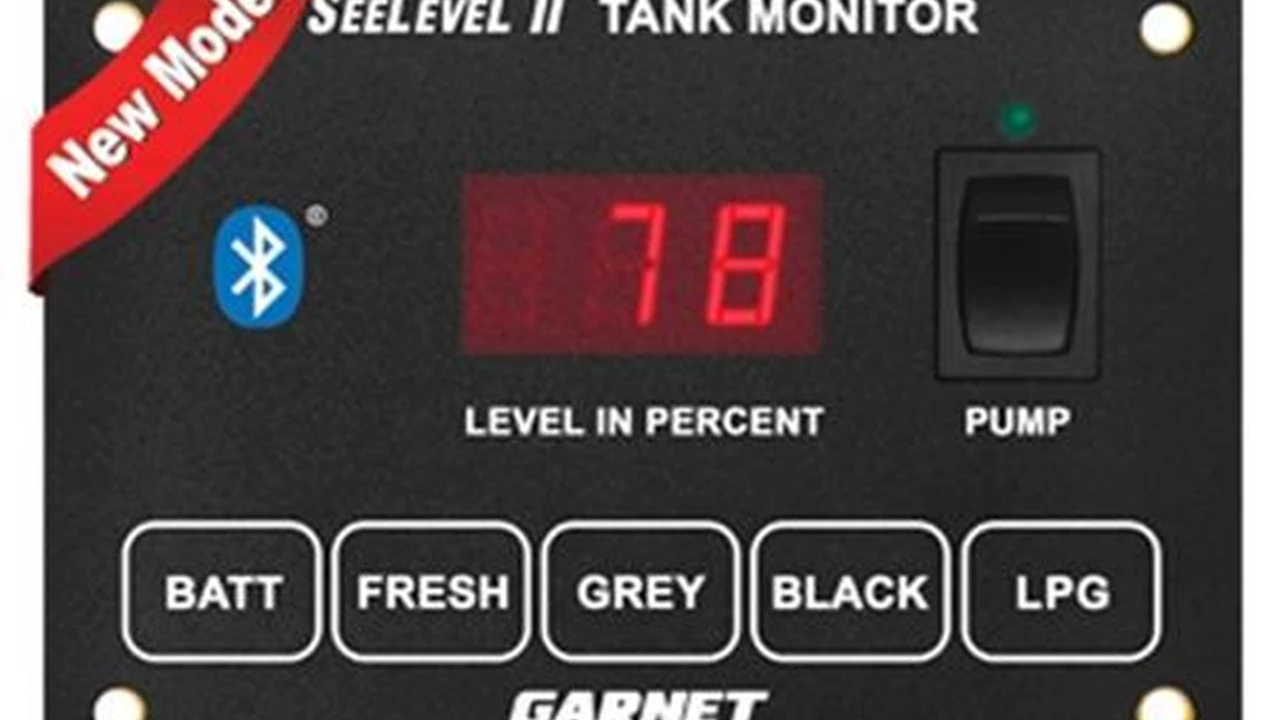
The SeeLevel II is a popular choice for its accuracy and reliability. It uses external sensors that adhere to the outside of the tanks, eliminating the need to drill holes. This makes installation much easier and reduces the risk of leaks. The SeeLevel II also offers a digital display that shows the tank levels in percentage increments. It's a bit pricier than some other options, but the accuracy and ease of installation make it a worthwhile investment. Expect to pay around $200-$300 for this system.
- Pros: Accurate, easy to install, no drilling required, digital display.
- Cons: More expensive than some other options.
- Use Case: Ideal for RVers who want a reliable and accurate system without the hassle of drilling.
Garnet Instruments SeeLeveL Gauges
Another excellent option from Garnet Instruments, the SeeLeveL Gauges provide precise tank level readings. Similar to the SeeLevel II, these gauges use external sensors, simplifying installation. They're known for their durability and resistance to environmental factors, making them suitable for various RVing conditions. While they may require a slightly higher initial investment, their long-term reliability often justifies the cost. Expect to pay around $250-$350 for this system.
- Pros: High accuracy, robust construction, easy installation, external sensors.
- Cons: Relatively expensive.
- Use Case: Best for RVers seeking a durable and precise monitoring solution for extended travels.
Valterra Products W01-7100 Wireless RV Tank Monitoring System
If you're looking for a wireless option, the Valterra Products W01-7100 is a good choice. It allows you to monitor your tank levels from your smartphone or tablet, providing ultimate convenience. The system uses resistive probe sensors, so it's important to keep them clean for accurate readings. The Valterra system is also relatively affordable, making it a good option for budget-conscious RVers. You can find this system for around $100-$150.
- Pros: Wireless connectivity, affordable, easy to install.
- Cons: Resistive probe sensors require regular cleaning, accuracy may be affected by buildup.
- Use Case: Ideal for RVers who want the convenience of monitoring their tank levels from their smartphone.
Mopeka Products Mopeka Pro Check Standard Double Sensor Kit
The Mopeka Pro Check is a unique option that uses ultrasonic sensors that attach to the bottom of your tanks. This makes installation very easy, as you don't need to drill any holes or run any wires. The sensors communicate wirelessly with your smartphone or tablet, providing real-time tank level readings. The Mopeka Pro Check is a great option for RVers who want a simple and convenient tank monitoring solution. This kit typically costs around $150-$200.
- Pros: Very easy to install, no drilling or wiring required, wireless connectivity.
- Cons: May not be as accurate as some other systems, sensors attach to the bottom of the tanks.
- Use Case: Ideal for RVers who want a quick and easy tank monitoring solution without the hassle of complicated installation.
RecPro RV Tank Monitor System
The RecPro RV Tank Monitor System offers a balance of affordability and functionality. It features a digital display and uses wired sensors to monitor tank levels. While installation requires some wiring, it's relatively straightforward. This system is a solid choice for RVers seeking a reliable tank monitoring solution without breaking the bank. Expect to pay around $80-$120 for this system.
- Pros: Affordable, digital display, reliable performance.
- Cons: Requires wired installation.
- Use Case: Suitable for RVers who need a dependable tank monitoring system at a reasonable price.
RV Tank Monitoring System Problem Solving Troubleshooting Common Issues
Even with the best tank monitoring system, you might encounter some issues from time to time. Here are some common problems and how to troubleshoot them:
- Inaccurate Readings: This is often caused by buildup on the sensors. Clean the sensors thoroughly and recalibrate the system if necessary.
- No Readings: Check the wiring connections to ensure they are secure. Also, check the power supply to the display unit.
- Erratic Readings: This could be caused by a faulty sensor or a loose connection. Check the sensors and wiring for any signs of damage.
- Wireless Connectivity Issues: Make sure the display unit and your smartphone or tablet are within range of each other. Also, check the batteries in the sensors.
Optimizing Water Usage in Your RV Tips and Tricks
Having a tank monitoring system is only half the battle. You also need to be mindful of your water usage to conserve resources and extend your time between fill-ups. Here are a few tips and tricks:
- Take Shorter Showers: This is the single biggest way to conserve water in your RV. Consider using a low-flow showerhead to further reduce water consumption.
- Use Water-Saving Fixtures: Install low-flow faucets and toilets to minimize water usage.
- Wash Dishes Efficiently: Scrape food scraps into the trash before washing dishes. Use a small amount of water for washing and rinsing.
- Collect Shower Water: Place a bucket in the shower to collect water while you wait for it to warm up. Use this water to flush the toilet or water plants.
- Be Mindful of Leaks: Check your plumbing for leaks regularly and repair them promptly. Even a small leak can waste a significant amount of water over time.
- Use a Water Filter: A water filter can improve the taste and quality of your water, reducing the need to purchase bottled water.
- Plan Your Water Usage: Before embarking on a trip, estimate your water needs and plan your water usage accordingly. This will help you avoid running out of water unexpectedly.
Advanced RV Tank Monitoring Systems Integrating with Smart Home Technology
The world of RV technology is constantly evolving, and tank monitoring systems are no exception. Some advanced systems can now be integrated with smart home technology, allowing you to monitor your tank levels remotely and even automate certain functions.
For example, you could set up an alert that automatically sends you a notification when your gray water tank is nearing full. Or you could integrate your tank monitoring system with your RV's water pump to automatically shut off the pump when the fresh water tank is empty. The possibilities are endless!
While these advanced systems are still relatively new, they offer a glimpse into the future of RVing. As technology continues to advance, we can expect to see even more sophisticated and integrated tank monitoring solutions.
RV Tank Monitoring System Cost Analysis Budgeting for Your Needs
The cost of an RV tank monitoring system can vary widely depending on the type of system, the features it offers, and the brand. Here's a general breakdown of the cost ranges:
- Basic Resistive Probe Systems: $50-$100
- Wireless Systems: $100-$200
- Ultrasonic Sensors: $150-$300
- Hydrostatic Pressure Sensors: $200-$400
- Advanced Smart Home Integrated Systems: $300+
When budgeting for a tank monitoring system, it's important to consider your needs and priorities. If you're on a tight budget, a basic resistive probe system might be sufficient. If you value convenience and accuracy, a wireless or ultrasonic system might be a better choice. And if you want the ultimate in control and automation, an advanced smart home integrated system might be the way to go.
Also, don't forget to factor in the cost of installation. If you're not comfortable installing the system yourself, you'll need to hire a professional, which can add to the overall cost.
RV Tank Monitoring System Legal Considerations Regulations and Compliance
While RV tank monitoring systems are primarily about convenience and preventing unpleasant surprises, it's worth touching upon some legal considerations. Primarily, these relate to responsible waste disposal. Knowing your tank levels helps you avoid illegal dumping, which is harmful to the environment and can result in fines.
Always dispose of black water and gray water at designated dump stations. Familiarize yourself with local regulations regarding RV waste disposal in the areas you'll be traveling. A reliable tank monitoring system is a crucial tool in ensuring you comply with these regulations and contribute to responsible RVing practices.
Future Trends in RV Tank Monitoring Technology What to Expect
The future of RV tank monitoring technology is bright, with several exciting developments on the horizon. Expect to see even more sophisticated sensors, improved wireless connectivity, and tighter integration with smart home systems.
One trend to watch is the development of self-cleaning sensors. These sensors would automatically remove buildup, eliminating the need for manual cleaning and ensuring accurate readings over time. Another trend is the integration of artificial intelligence (AI) into tank monitoring systems. AI could be used to predict water usage patterns, optimize water conservation, and even detect potential leaks before they cause problems.
As RVing becomes increasingly popular, the demand for advanced tank monitoring solutions will continue to grow. This will drive innovation and lead to even more convenient, accurate, and reliable systems in the years to come.
RV Tank Monitoring Systems and Environmental Responsibility
Beyond the convenience and legal aspects, RV tank monitoring systems play a crucial role in promoting environmental responsibility. By accurately tracking your water and waste levels, you can make informed decisions about your water usage and waste disposal habits. This helps you minimize your environmental impact and contribute to sustainable RVing practices.
Consider using biodegradable soaps and detergents, conserving water whenever possible, and properly disposing of waste at designated facilities. A tank monitoring system is an essential tool in your arsenal for eco-conscious RV adventures.
RV Tank Monitoring System Case Studies Real World Examples
Let's look at a couple of real-world examples of how RV tank monitoring systems can make a difference:
Case Study 1: The Boondocking Family: A family of four enjoys boondocking in remote areas. They rely on their SeeLevel II tank monitoring system to accurately track their fresh water supply. This allows them to plan their water usage carefully and avoid running out of water before they can reach a refill station. The system has saved them from several potentially stressful situations.
Case Study 2: The Full-Time RVer: A full-time RVer uses a Valterra Products W01-7100 wireless system to monitor their black water tank levels. The wireless connectivity allows them to check the tank levels from their smartphone, even when they're away from their RV. This has helped them avoid overflowing the tank and causing a messy situation.
These case studies highlight the practical benefits of RV tank monitoring systems and demonstrate how they can enhance the RVing experience.
RV Tank Monitoring System Data Privacy and Security Considerations
With the increasing use of wireless and smart home integrated tank monitoring systems, it's important to consider data privacy and security. These systems collect data about your water usage and tank levels, which could potentially be vulnerable to hacking or unauthorized access.
To protect your data, choose systems from reputable manufacturers that prioritize security. Use strong passwords for your wireless network and any associated apps. Keep your system software up to date to patch any security vulnerabilities. Be mindful of the data you share with the system and review the manufacturer's privacy policy.
Taking these precautions will help you safeguard your data and enjoy the benefits of advanced tank monitoring technology without compromising your privacy.
RV Tank Monitoring System DIY vs Professional Installation Weighing the Options
Deciding whether to install an RV tank monitoring system yourself or hire a professional is a common dilemma. Here's a breakdown of the pros and cons of each option:
DIY Installation:
Professional Installation:
If you're comfortable working with electrical wiring and plumbing and have the necessary tools and skills, DIY installation can be a rewarding experience. However, if you're not confident in your abilities or prefer to avoid the hassle, hiring a professional is a wise investment. While it's difficult to quantify the exact impact, a well-maintained and functional RV tank monitoring system can positively influence your RV's resale value. Potential buyers appreciate the convenience and peace of mind that a reliable system provides. A modern and feature-rich system can be a selling point, especially for buyers who are new to RVing. Be sure to highlight the system's benefits in your listing and demonstrate its functionality during showings. A tank monitoring system is an investment that can pay off not only during your ownership but also when you decide to sell your RV. For RVers with disabilities, accessibility is a crucial consideration. Fortunately, some tank monitoring systems offer features that can enhance accessibility. Wireless systems with smartphone or tablet integration can be particularly helpful, as they allow users to monitor tank levels from a comfortable and convenient location. Systems with large, easy-to-read displays are also beneficial. Consider systems with audible alerts for those with visual impairments. When choosing a tank monitoring system, consider your specific needs and look for features that can make RVing more accessible and enjoyable. RV tank monitoring systems are just one piece of the puzzle when it comes to the future of smart RV living. As technology continues to advance, we can expect to see even more integration between RV systems and smart home devices. Imagine a future where your RV automatically adjusts the temperature based on your location, monitors your energy consumption, and alerts you to potential maintenance issues. Tank monitoring systems will play a key role in this connected ecosystem, providing valuable data that can be used to optimize your RVing experience. The future of smart RV living is exciting, and tank monitoring systems are at the forefront of this revolution.
RV Tank Monitoring System and Resale Value How it Impacts Your RV's Worth
RV Tank Monitoring System and Accessibility Considerations for RVers with Disabilities
RV Tank Monitoring System and the Future of Smart RV Living
:max_bytes(150000):strip_icc()/277019-baked-pork-chops-with-cream-of-mushroom-soup-DDMFS-beauty-4x3-BG-7505-5762b731cf30447d9cbbbbbf387beafa.jpg)