RV Refrigerators: Keeping Food Fresh on the Road
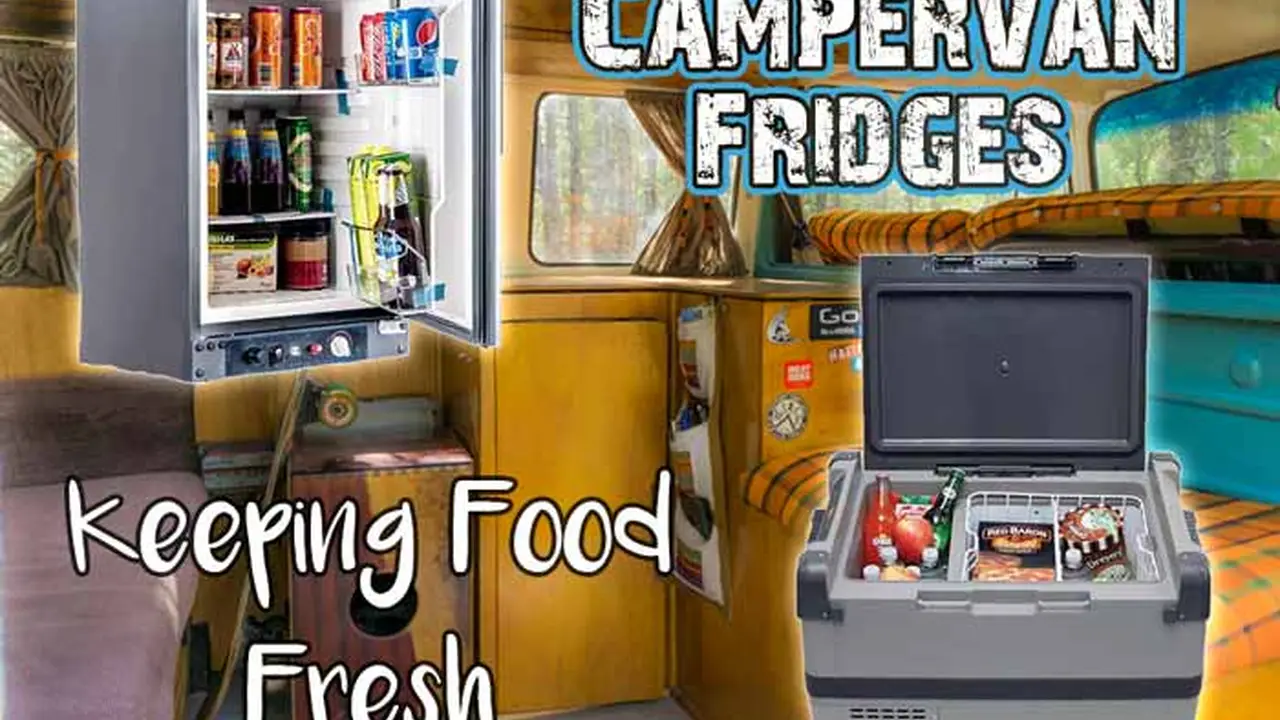
Understanding RV Refrigerator Basics A Comprehensive Guide
So, you're hitting the open road in your RV, ready for adventure. But what about keeping your perishables, well, perishable? That's where the unsung hero of your RV comes in: the refrigerator. It's not just a smaller version of your home fridge; RV refrigerators operate differently and understanding these nuances is crucial for a successful trip. Let's dive into the basics.
Types of RV Refrigerators Absorption vs Compressor vs Thermoelectric
First things first, you need to know what kind of fridge you're dealing with. The three main types are absorption, compressor, and thermoelectric. Each has its pros and cons, impacting everything from power consumption to cooling efficiency.
Absorption Refrigerators The Silent Workhorse
Absorption refrigerators are the traditional choice for RVs. They operate using heat to circulate a refrigerant (typically ammonia, water, and hydrogen) through a series of tubes. The beauty of absorption fridges is their versatility. They can run on propane, 120V AC power, or 12V DC power, making them ideal for off-grid camping. They're also incredibly quiet, a definite plus in a small RV space. However, they're less efficient than compressor models and require level positioning to function correctly. Think of them as the reliable, if somewhat demanding, workhorse of the RV world.
Absorption Refrigerator Pros and Cons A Detailed Look
Pros:
- Can run on multiple power sources (propane, 120V AC, 12V DC).
- Quiet operation.
- No moving parts, potentially leading to longer lifespan.
Cons:
- Less energy efficient than compressor models.
- Requires level positioning.
- Slower cooling times.
- Can be more sensitive to ambient temperature.
Compressor Refrigerators The Energy Efficient Option
Compressor refrigerators are similar to what you have at home. They use a compressor to circulate refrigerant, providing efficient and consistent cooling. These models are generally more energy-efficient than absorption fridges and less sensitive to leveling. However, they typically run on 120V AC power, requiring an inverter to operate off-grid. They can also be a bit noisier than absorption fridges. Think of them as the modern, power-conscious option.
Compressor Refrigerator Pros and Cons A Detailed Comparison
Pros:
- More energy efficient than absorption models.
- Less sensitive to leveling.
- Faster cooling times.
- Consistent cooling performance.
Cons:
- Typically requires 120V AC power (needs an inverter for off-grid use).
- Can be noisier than absorption models.
- More complex construction, potentially leading to more maintenance.
Thermoelectric Refrigerators The Portable Choice
Thermoelectric refrigerators, also known as Peltier coolers, are the smallest and most portable option. They use the Peltier effect to create a temperature difference between two sides of a semiconductor. These fridges are lightweight, compact, and typically run on 12V DC power. However, they're not very efficient and struggle to maintain consistently cold temperatures, especially in hot weather. They're best suited for short trips and keeping already-chilled items cool, rather than cooling down warm items. Think of them as the convenient, but limited, personal cooler.
Thermoelectric Refrigerator Pros and Cons Weighing the Options
Pros:
- Lightweight and portable.
- Runs on 12V DC power.
- Relatively inexpensive.
Cons:
- Not very energy efficient.
- Limited cooling capacity.
- Struggles in hot weather.
- Can only cool to a certain temperature below ambient temperature.
RV Refrigerator Maintenance Tips and Tricks Ensuring Longevity
No matter which type of RV refrigerator you have, proper maintenance is key to keeping it running smoothly for years to come. Here are some essential tips and tricks:
Regular Cleaning Maintaining Hygiene and Efficiency
Just like your home refrigerator, your RV fridge needs regular cleaning. Spills and food debris can lead to unpleasant odors and even mold growth. Clean the interior with a mild soap and water solution. Avoid harsh chemicals, as they can damage the fridge's components. Don't forget to clean the door seals to ensure a tight seal and prevent air leaks. A clean fridge is a happy fridge, and a happy fridge keeps your food fresh!
Proper Ventilation Preventing Overheating
Adequate ventilation is crucial for all types of RV refrigerators, but especially for absorption models. These fridges rely on heat to function, and proper airflow is necessary to dissipate that heat. Make sure the vents on the back of the fridge are clear of obstructions. Consider installing a vent fan to improve airflow, especially in hot climates. Overheating can significantly reduce the fridge's efficiency and lifespan.
Leveling Your RV Ensuring Optimal Performance
As mentioned earlier, absorption refrigerators are particularly sensitive to leveling. If your RV isn't level, the refrigerant won't circulate properly, and the fridge won't cool effectively. Use a leveling device to ensure your RV is as level as possible before turning on the fridge. A little effort in leveling can make a big difference in cooling performance.
Defrosting Regularly Removing Ice Buildup
Ice buildup can reduce the efficiency of your RV refrigerator and take up valuable space. Defrost your fridge regularly, especially if you notice excessive ice accumulation. Most RV refrigerators have a defrost cycle, but you may need to manually defrost older models. Always unplug the fridge before defrosting to prevent electrical shock. Remove all food items and place towels to absorb the melting ice. Don't use sharp objects to scrape away ice, as this can damage the fridge's interior.
Inspecting and Cleaning the Burner Assembly (Absorption Refrigerators)
If you have an absorption refrigerator, it's important to inspect and clean the burner assembly regularly. A dirty burner can lead to inefficient operation and even a fire hazard. Consult your owner's manual for specific instructions on how to clean the burner assembly. Be sure to disconnect the propane supply before performing any maintenance on the burner.
Troubleshooting Common RV Refrigerator Problems A Quick Guide
Even with proper maintenance, you may encounter occasional problems with your RV refrigerator. Here are some common issues and how to troubleshoot them:
Refrigerator Not Cooling Properly Diagnosing the Issue
If your refrigerator isn't cooling properly, the first step is to check the power source. Make sure the fridge is plugged in and receiving power. If you're using propane, check the propane tank level and ensure the propane is flowing. Next, check the thermostat setting. Make sure it's set to the desired temperature. If the power source and thermostat are okay, check the vents for obstructions and ensure the RV is level (for absorption refrigerators). If none of these steps resolve the issue, you may need to consult a qualified RV technician.
Refrigerator Smells Bad Eliminating Odors
A bad smell in your RV refrigerator can be caused by spoiled food, mold, or mildew. Remove all food items and thoroughly clean the interior with a mild soap and water solution. Pay special attention to any areas with spills or stains. You can also use a baking soda solution to absorb odors. Place an open box of baking soda in the fridge to help keep it fresh. If the smell persists, you may need to disinfect the fridge with a bleach solution (diluted with water). Be sure to rinse thoroughly after disinfecting.
Refrigerator Leaking Water Identifying the Source
Water leaks in your RV refrigerator can be caused by a clogged drain line or a faulty seal. Check the drain line for obstructions and clear any debris. Inspect the door seals for damage and replace them if necessary. If the leak is coming from inside the fridge, it may be caused by condensation. Make sure the fridge is properly ventilated to prevent condensation buildup.
Refrigerator Not Switching Power Sources Resolving Power Issues
If your RV refrigerator isn't switching between power sources (e.g., propane to 120V AC), there may be an issue with the control panel or the power source itself. Check the control panel settings and ensure the correct power source is selected. Verify that the power source is functioning properly. If you're using propane, check the propane tank level and ensure the propane is flowing. If you're using 120V AC power, check the circuit breaker and ensure it's not tripped.
RV Refrigerator Recommendations Top Models and Brands
Choosing the right RV refrigerator depends on your needs and budget. Here are some top models and brands to consider:
Dometic RV Refrigerators A Trusted Brand
Dometic is a leading manufacturer of RV refrigerators, offering a wide range of models to suit different needs. Their absorption refrigerators are known for their reliability and durability. Their compressor refrigerators are known for their energy efficiency and performance. Dometic also offers a variety of accessories, such as vent fans and leveling devices. A popular model is the Dometic RM2554, a reliable absorption refrigerator suitable for smaller RVs. Expect to pay around $800-$1200 for a Dometic RV refrigerator.
Norcold RV Refrigerators Another Popular Choice
Norcold is another popular brand of RV refrigerators, offering both absorption and compressor models. Their refrigerators are known for their innovative features and sleek designs. Norcold also offers a variety of sizes and configurations to fit different RV layouts. The Norcold N841 is a well-regarded absorption refrigerator known for its spacious interior. Prices for Norcold RV refrigerators typically range from $700 to $1500.
Whynter RV Refrigerators Compressor Efficiency
Whynter specializes in compressor refrigerators, offering energy-efficient and compact models ideal for smaller RVs and campers. Their refrigerators are known for their consistent cooling performance and quiet operation. The Whynter FM-45G is a popular portable compressor refrigerator that can be used in RVs or for camping. Whynter RV refrigerators are generally priced between $300 and $800, making them a budget-friendly option.
Specific Product Recommendations and Use Cases
* For Off-Grid Camping: Dometic RM2554 (Absorption) - Reliable and versatile, can run on propane. * For Energy Efficiency: Whynter FM-45G (Compressor) - Energy-efficient and compact. * For Larger RVs: Norcold N841 (Absorption) - Spacious interior and reliable performance. * For Portable Cooling: Euhomy Mini Fridge - Compact and affordable for short trips.RV Refrigerator Power Consumption Understanding Energy Needs
Understanding the power consumption of your RV refrigerator is crucial for planning your trips and ensuring you have enough power to keep your food cold. Here's a breakdown of the power requirements for different types of RV refrigerators:
Absorption Refrigerator Power Usage Propane vs Electric
Absorption refrigerators typically consume more power than compressor models. When running on propane, they consume very little electricity, primarily for the control panel and igniter. However, when running on 120V AC power, they can draw a significant amount of electricity, typically between 200 and 400 watts. The exact power consumption will depend on the size and model of the refrigerator. When on propane, the consumption is measured in BTU/hr, typically ranging from 1000 to 2000 BTU/hr.
Compressor Refrigerator Power Usage Amp Draw
Compressor refrigerators are generally more energy-efficient than absorption models. They typically draw between 1 and 3 amps when running on 120V AC power. However, they may draw a higher surge current when the compressor starts up. The exact power consumption will depend on the size and model of the refrigerator. A 12V compressor fridge might draw between 4 and 8 amps when running.
Thermoelectric Refrigerator Power Usage Efficiency Considerations
Thermoelectric refrigerators are the least energy-efficient option. They typically draw between 4 and 6 amps when running on 12V DC power. However, they don't cool as effectively as absorption or compressor models, so they may need to run constantly to maintain a cold temperature. This can quickly drain your battery.
Calculating Your RV's Power Needs Fridge Included
To calculate your RV's power needs, you need to consider the power consumption of all your appliances and electronics. Start by listing all the devices you plan to use and their power consumption in watts or amps. Then, estimate how many hours per day you'll be using each device. Multiply the power consumption by the usage time to get the daily energy consumption in watt-hours or amp-hours. Add up the energy consumption of all your devices to get the total daily energy consumption. Finally, compare your total energy consumption to the capacity of your batteries or generator to ensure you have enough power. Remember to factor in the efficiency of your inverter if you're using 120V AC appliances with a 12V DC power system.
RV Refrigerator Pricing and Budgeting Investing in Food Preservation
The cost of an RV refrigerator can vary widely depending on the type, size, and features. Here's a general overview of the pricing for different types of RV refrigerators:
Entry Level Options Budget Friendly Choices
Thermoelectric refrigerators are the most affordable option, typically ranging from $50 to $200. However, they're not very efficient and are best suited for short trips and keeping already-chilled items cool.
Mid Range Refrigerators Balancing Cost and Performance
Compressor refrigerators are a mid-range option, typically ranging from $300 to $800. They offer better cooling performance and energy efficiency than thermoelectric models.
High End Refrigerators Premium Features and Reliability
Absorption refrigerators are the most expensive option, typically ranging from $700 to $1500. They offer the versatility of running on multiple power sources and are ideal for off-grid camping.
Factors Affecting RV Refrigerator Cost Size Features and Brand
The cost of an RV refrigerator can also be affected by factors such as size, features, and brand. Larger refrigerators with more features will generally cost more than smaller, basic models. Some brands are also known for their higher quality and may command a premium price. When budgeting for an RV refrigerator, it's important to consider your needs and priorities. If you plan to do a lot of off-grid camping, an absorption refrigerator may be worth the investment. If you're primarily camping with hookups, a compressor refrigerator may be a more cost-effective option.
RV Refrigerator Alternatives Exploring Cooling Options
While RV refrigerators are the most common way to keep food cold on the road, there are some alternative options to consider:
Ice Chests A Classic Solution
Ice chests are a simple and inexpensive way to keep food cold. They're best suited for short trips and keeping already-chilled items cold. However, they require regular replenishment of ice and can be bulky and heavy. High-end ice chests, like those from Yeti or RTIC, offer superior insulation and can keep ice frozen for several days.
Portable Freezers A Powerful Alternative
Portable freezers, also known as 12V freezers, are a more powerful alternative to ice chests. They can maintain freezing temperatures even in hot weather and don't require ice. However, they're more expensive than ice chests and require a power source.
Solar Powered Coolers Eco Friendly Cooling
Solar-powered coolers are a relatively new option that combines the convenience of a cooler with the power of solar energy. They use solar panels to power a small compressor, keeping the contents cold without ice or electricity. However, they're still relatively expensive and may not be as efficient as traditional RV refrigerators.
Extending RV Refrigerator Lifespan Proactive Measures
Maximize the lifespan of your RV refrigerator with these proactive measures:
Regular Inspections Catching Problems Early
Regularly inspect your refrigerator for any signs of wear and tear, such as cracks, leaks, or corrosion. Address any problems promptly to prevent them from escalating. Check the door seals for damage and replace them if necessary. Inspect the vents for obstructions and clear any debris.
Winterizing Your RV Protecting Against Cold Temperatures
If you live in a cold climate, it's important to winterize your RV to protect your refrigerator from freezing temperatures. Drain the water lines and add antifreeze to prevent them from freezing and bursting. Disconnect the propane supply and cover the vents to prevent drafts. Store the refrigerator with the door ajar to prevent mold and mildew growth.
Professional Maintenance When to Seek Help
If you're not comfortable performing maintenance on your RV refrigerator, it's best to seek professional help. A qualified RV technician can diagnose and repair any problems, ensuring your refrigerator runs smoothly for years to come. Schedule regular maintenance appointments to keep your refrigerator in top condition.
Choosing the Right RV Refrigerator for Your Needs A Summary
Selecting the ideal RV refrigerator requires careful consideration of your travel style, power capabilities, and budget. Absorption refrigerators offer versatility for off-grid adventures, compressor refrigerators prioritize energy efficiency, and thermoelectric coolers provide portable convenience. By understanding the pros and cons of each type, performing regular maintenance, and addressing any issues promptly, you can ensure your RV refrigerator keeps your food fresh and your adventures enjoyable for years to come. Remember to consider factors like size, power consumption, and specific features to make the best choice for your unique needs.
:max_bytes(150000):strip_icc()/277019-baked-pork-chops-with-cream-of-mushroom-soup-DDMFS-beauty-4x3-BG-7505-5762b731cf30447d9cbbbbbf387beafa.jpg)